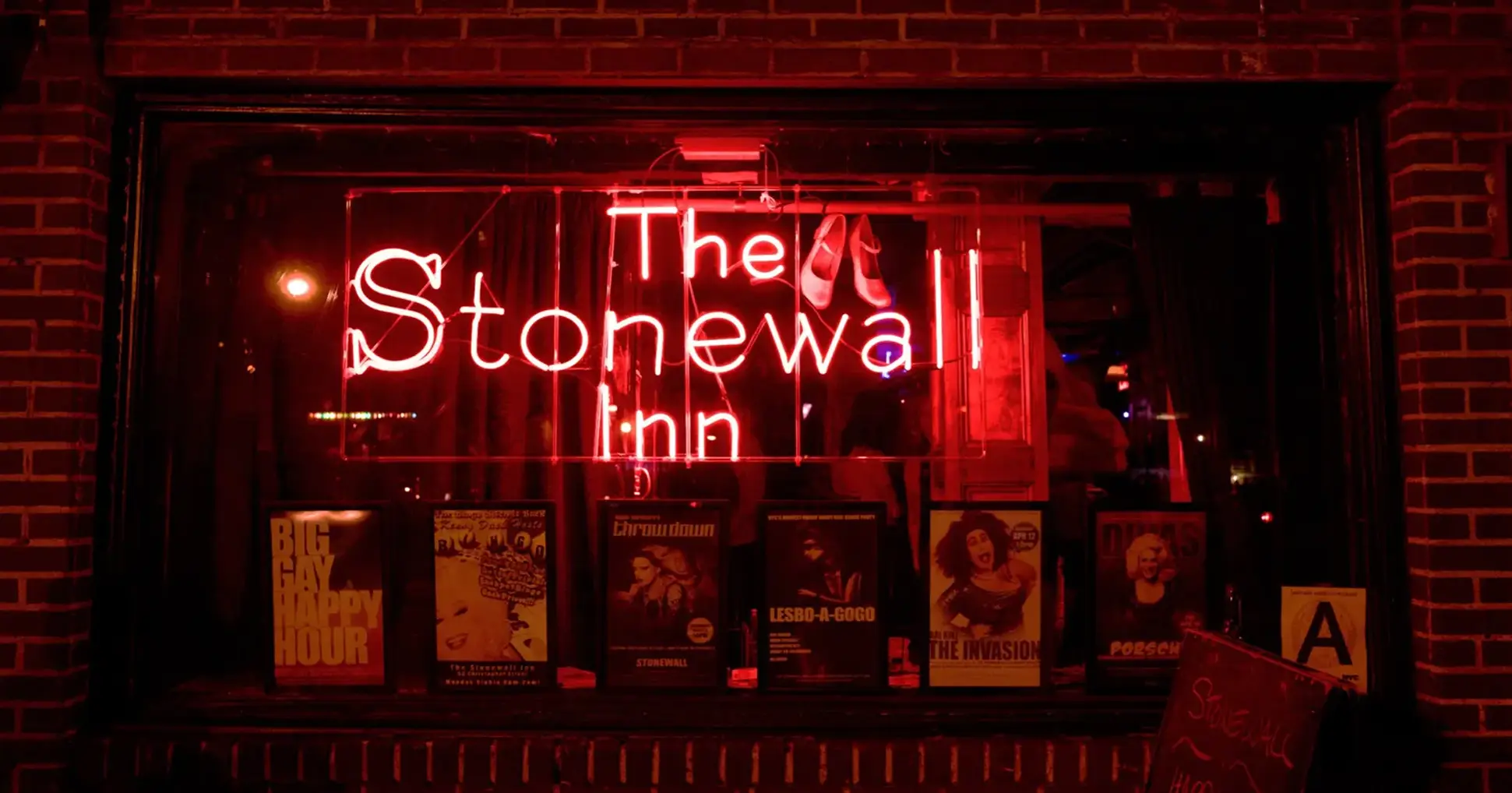

On the night of the June 28, 1969 In an event that changed the history of human rights forever: a police raid on a New York gay bar «Stonewall Inn» grew into a spontaneous uprising. The incident is often referred to as the "fall of the Bastille" for the LGBT rights movement, as it marked a shift from a policy of assimilation to open opposition to discrimination.
The Era of Persecution and Greenwich Village
In the 1950s and 1960s, homosexuality was virtually illegal in the United States; Consensual action was considered a criminal offense in almost all states, and psychiatrists used barbaric methods of "treatment" such as electroshock and lobotomy. Members of the LGBT community were forced to lead a double life for fear of dismissals and public shame.
Prior to Stonewall, homosexual life in the United States was fraught with constant fear and discrimination, as consensual homosexual acts were considered criminal offense in almost the entire country. In some states, people could be placed in a psychiatric institution for life only on suspicion of homosexuality. In the 1950s, thousands of people were dismissed from the military and government agencies in a campaign to combat "perverts" who were considered a threat to national security. Official medicine, represented by the American Psychiatric Association (APA), has classified homosexuality as Sociopathic Personality Disorder. For "treatment", doctors used barbaric methods: lobotomy, castration and electroconvulsive therapy. Even the usual appearance in clothes that did not correspond to biological sex was a legitimate reason for arrest.
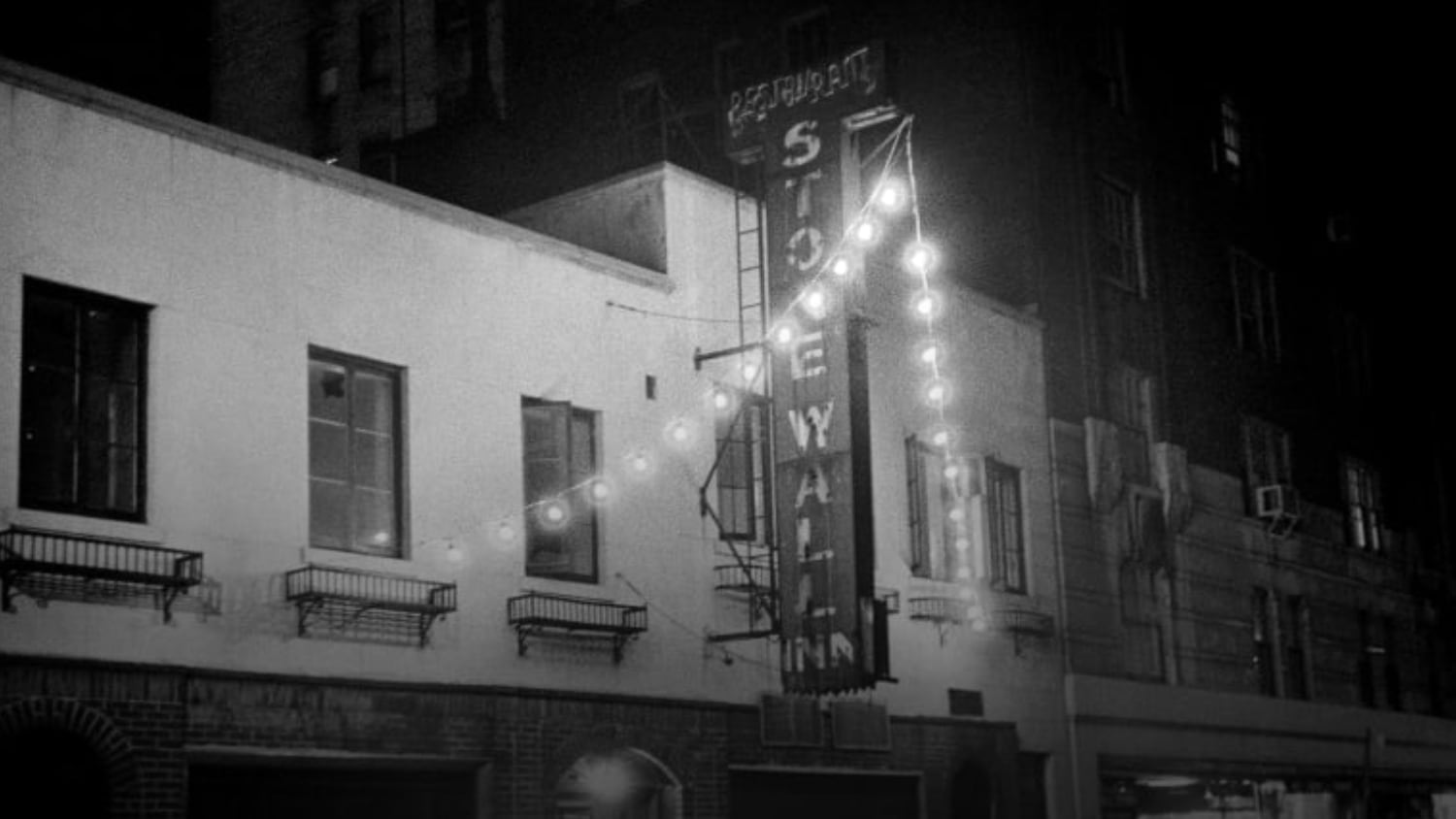
Area Greenwich Village became a refuge for those who did not fit into the social framework, and the bar «Stonewall Inn» on Christopher Street was one of the few places where the most marginalized groups could congregate: drag queens, transgender people, and homeless queer youth. Even though the establishment was controlled by the mafia and did not have a liquor license, it was the only place in the city where patrons were allowed to dance with each other.
Night of the Uprising
The raid began at 1:20 a.m.when the police broke into the bar without warning in the midst of the fun. Usually, visitors dutifully obeyed the document checks, but on that hot Saturday night, the situation got out of hand. Instead of dispersing, the customers expelled from the bar remained on the street, and soon a crowd of hundreds gathered around the building.
Spontaneous resistance broke out when the police used force against the detainees. Coins, stones and bottles were thrown at the police, and the officers themselves were forced to barricade themselves inside the bar under the onslaught of an angry crowd. The key figures of the protest were such activists as Marsha P. Johnson and Silvia Rivera, whose rage and determination inspired the others to fight. Clashes with the police continued until four in the morning and resumed over the next few nights.
The Stonewall uprising radically changed the tactics of activists, forcing the medical and political community to reconsider their views:
A turning point in medicine
After Stonewall, activists switched to the tactics of "zap actions". In May 1970, at the APA convention in Los Angeles, they interrupted a screening of a film about the use of electroshock to "treat" gay men by openly naming doctors accomplices in torture and barbarians. This direct pressure and the work of activists such as Frank Kameny have led to the fact that in the December 1973 The APA voted unanimously to remove homosexuality from the list of mental disorders. Activist Lou Sullivan also got doctors to recognize that sexual orientation and gender identity are separate concepts.
Political shift
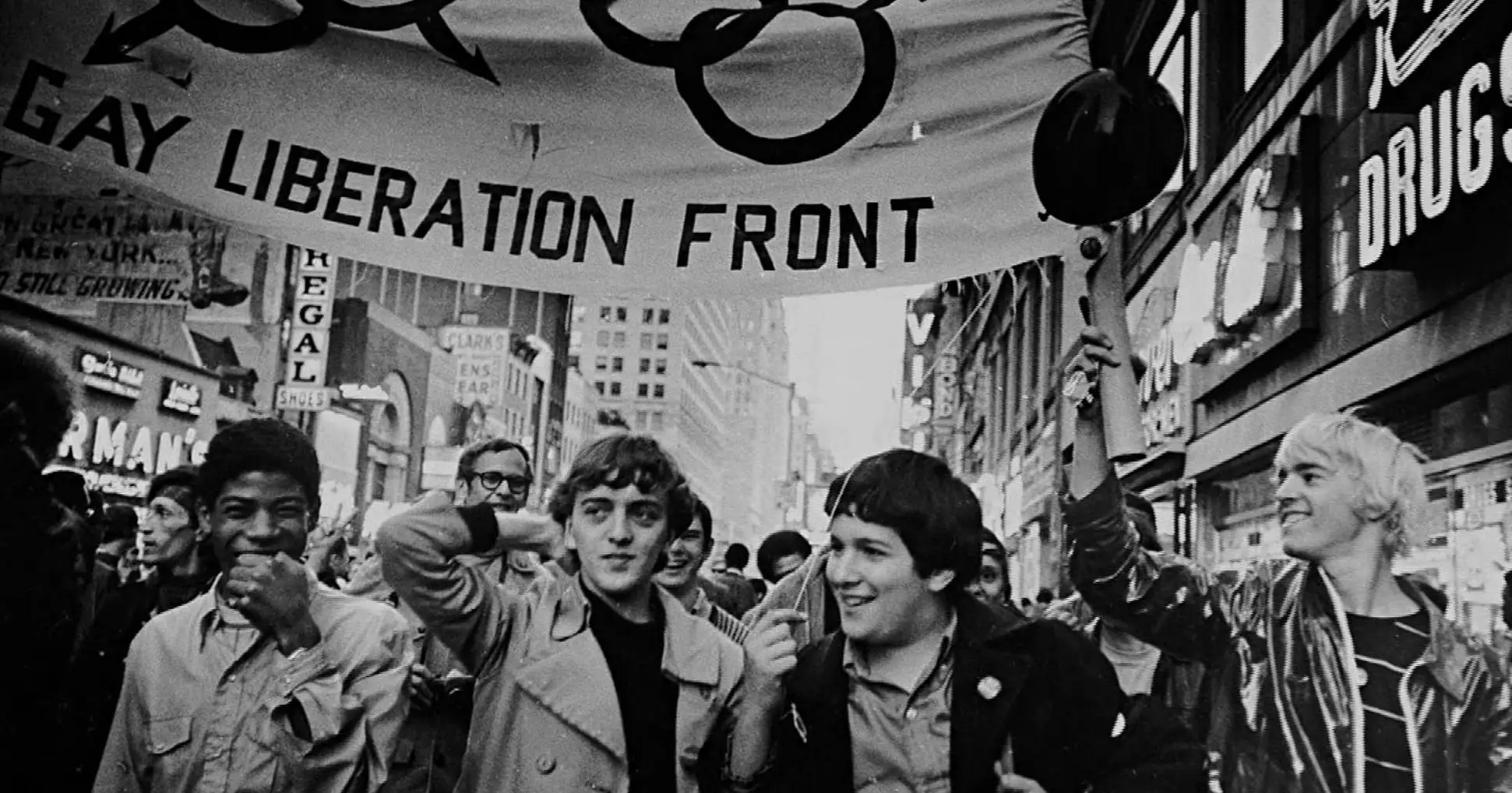
In the immediate aftermath of the riots, violent political organizations such as the Gay Liberation Front and the Alliance of Gay Activists emerged. They began to harass politicians at public events, demanding recognition of their rights, which forced, for example, New York Mayor John Lindsay and future Congressman Ed Koch to promise to stop raiding bars. Over time, this led to the emergence of the first openly gay men in politics, such as Harvey Milk in California. Ultimately, decades of struggle led to the New York City Police Commissioner officially apologized for the 1969 raid, recognizing the actions of the police and the laws of the time as discriminatory and incorrect.
The Birth of the Modern Movement
The events in Stonewall led to the instant politicization of the community. Within a few months, the Gay Liberation Front (Gay Liberation Front) and Alliance of Gay Activists (GAA), which began to openly demand civil rights and recognition of dignity.
Exactly one year after the uprising, June 28, 1970, the first ever Christopher Street Liberation March, which started the tradition of annual pride parades around the world. Bisexual activist Brenda Howard, known as the "Mother of Pride", played a crucial role in coordinating this first march and popularizing the term "Pride" itself.
Stonewall's legacy today
Today, the Stonewall Inn is recognized as U.S. National Historic Landmark. In 2019, on the eve of the 50th anniversary of the riots, New York City Police Commissioner James O'Neill officially apologized for the actions of the police in 1969, calling them discriminatory and wrong. Inside the bar, National LGBT Wall of Honor, immortalizing the names of the pioneers and heroes of the movement. The Stonewall uprising remains a symbol of how the pursuit of freedom and dignity can transform a grassroots protest into a global human rights movement.








0 comments
Enter your email — we’ll send you a one-time code. No passwords or accounts.
Code sent to
If the email doesn't appear in your inbox within a few minutes, check your spam, junk, or promotions folder, as some email services may mistakenly place automated messages there