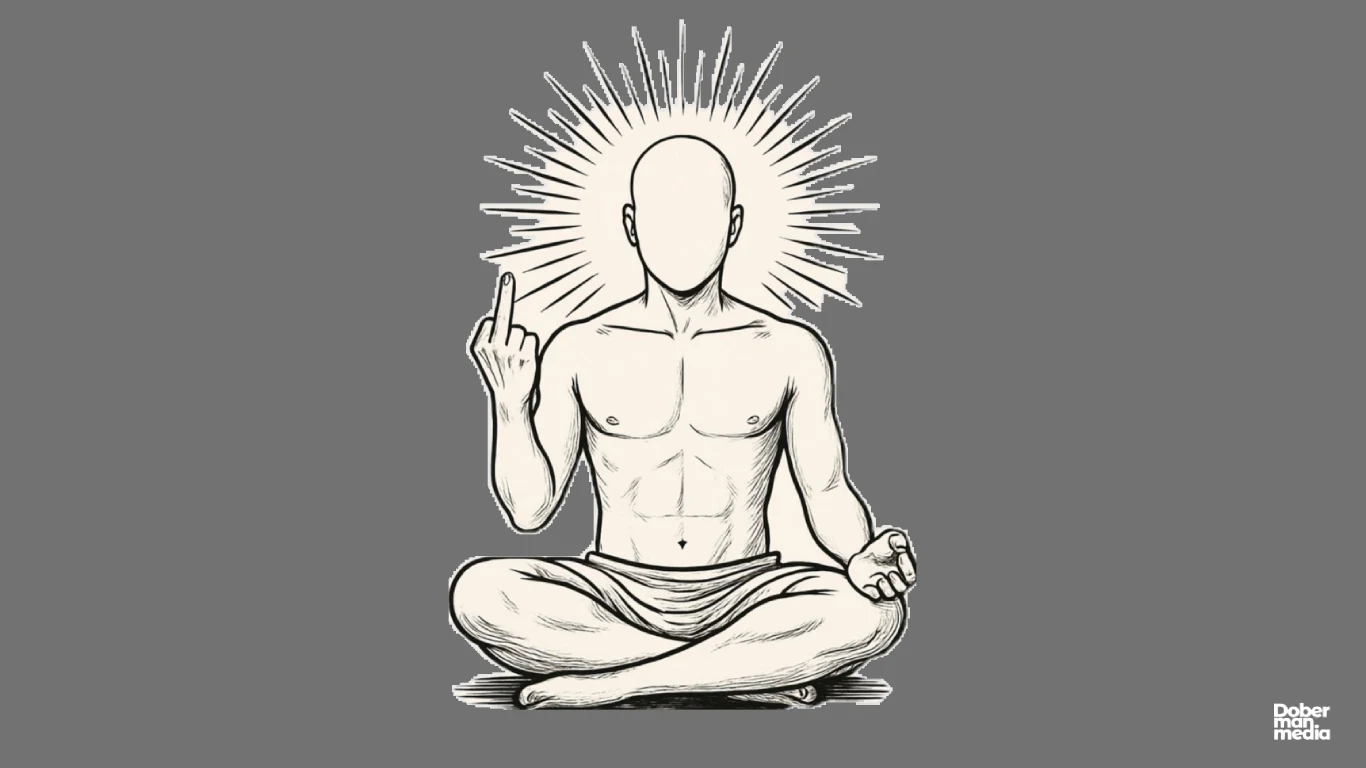

Gay people and members of minority groups face unique social pressures, prejudice, and discrimination every day. Clinical psychologist and dialectical behavior therapy (DBT) specialist Kiki Fehling explains, how minority stress works, what practical methods can reduce inner tension, and how to learn to experience euphoria and joy in your own identity.
Table of Contents
What “minority stress” is and how it harms mental health
Members of minority groups are far more likely to experience heightened anxiety, depression, emotional burnout, and panic attacks. Scientific research emphasizes that these problems are not caused by a person's sexual orientation or identity itself, but by living in a society that stigmatizes same-sex relationships and gender diversity.
The classic minority stress model identifies four main sources of pressure:
- Direct discrimination. Insults, casual homophobia, microaggressions, physical violence, or discriminatory laws.
- Anticipation of discrimination. Constant hypervigilance, social awkwardness, fear of rejection, and heightened sensitivity to criticism due to past traumatic experiences.
- Concealing one's identity. Attempts to change one's manner of speaking, clothing style, or behavior to appear “normal” or heterosexual. This requires enormous cognitive effort and leads to psychological exhaustion.
- Internalized stigma and shame. Negative stereotypes internalized since childhood, which cause a person to feel ashamed of themselves, experience chronic insecurity, or judge other gay men.
If a person belongs to several marginalized groups at once (for example, a woman with a non-heterosexual orientation or a person with a disability), these stressors intersect and reinforce one another.
Learning practical coping skills—particularly dialectical behavior therapy (DBT) tools—helps create a protective buffer for mental health and significantly reduce anxiety and depression.
Part 1. Quick skills for acute emotional overwhelm
When you encounter hostile news, discrimination, or homophobic comments, your nervous system may respond with an intense surge of fear or panic. DBT offers two basic body-based skills for quickly helping yourself:
– Размеренное дыхание (активация парасимпатической системы)
This breathing technique helps deactivate the body's stress response and regain control in the moment:
- How to do it: Breathe in through your nose and out through your mouth.
- Deep belly breathing: Place your hand on your abdomen just below your navel. As you inhale, your hand should physically rise.
- The key rule: Your exhale must be longer than your inhale.
- Ratio: For example, inhale for 4 seconds, then exhale for 6 seconds.
- Duration: Practice for 5 to 10 minutes (during an acute panic attack, even 1 minute may help).
– Воздействие низкой температурой (рефлекс ныряния)
The fastest-acting method for panic, when your thoughts are racing and your body is overwhelmed. It activates the “mammalian diving reflex”—when the face comes into contact with cold water, the body automatically slows the heart rate to conserve oxygen:
- How to do it: Fill a bowl or sink with ice water, hold your breath, and immerse your face in the water for about 30 seconds.
- Alternative petrol station: Hold your breath and press a cold, damp towel against your face (especially around your eyes and nose).
- Simple alternatives: Drink a glass of ice water, take a cool shower, or wash your face with cold water. (Важно: людям с заболеваниями сердца или принимающим сердечные препараты перед использованием этой техники нужно проконсультироваться с врачом).
Part 2. Self-compassion and physical self-care
Chronic invalidation by society causes gay people and members of minority groups to doubt their own feelings and ignore their body’s signals.
– Самовалидация (самопроверка)
Instead of criticizing yourself for being “overly sensitive” or obsessing over the question, “Did they say that on purpose?”, learn to recognize that your emotions are valid:
Support formula:
Tell yourself: “Of course I feel this way. My reaction makes perfect sense.”.
Examples of self-validation:
“Of course that joke hurt me—even if it wasn't directed at me, it's based on negative stereotypes about gay people.”.
“It makes perfect sense that this comment upset me, because I was bullied as a child.”.
Acknowledging your feelings doesn't mean you have to act immediately, but it does break the cycle of self-judgment.
– Физический уход за собой
Mental health is directly linked to physical well-being. You don't have to love your body unconditionally to take care of it—simply meeting its basic biological needs is enough:
- Daily self-check (once or twice a day): Ask yourself right now: Am I hungry or thirsty? Have I been looking at a screen for too long? Does my body feel stiff? Are my clothes physically comfortable?
- Small actions: Step away from the screen for 5 minutes, drink some water, stretch, and open a window. This helps restore a sense of safety and stability.
Part 3. Practicing Joy and Gender Euphoria
The joy of embracing your orientation and identity is not only a pleasant feeling, but also a way to cope with stress and build emotional resilience.
– Поиск гендерной эйфории
Gender euphoria is an intense, positive emotional state that occurs when your outward self-expression fully aligns with your inner sense of self.
How to explore it:
- Experiment with clothing, makeup, accessories, or hairstyles.
- Attend a drag show or try creating a drag look yourself.
- Try hobbies you were discouraged from pursuing as a child because of gender stereotypes.
- Connect with groups of people who share a similar identity.
The micro-steps rule: If you feel scared or awkward, start small—for example, experiment with your appearance at home or create a video game character with the look you want.
– Накопление позитивных эмоций в краткосрочной перспективе
Intentionally add enjoyable activities connected to the community or your orientation to your life:
- Read themed novels, memoirs, or erotica.
- Listen to musicians and performers from minority communities.
- Try dancing, playing sports at inclusive clubs, or self-massage.
- Mentor young gay people or visit elderly members of the community.
– Жизнь по своим ценностям (долгосрочная радость)
The lived experience of being a minority often fosters profound personal values: compassion, open-mindedness, equality, and authenticity.
- Build a “chosen family” from like-minded people.
- Get involved in mutual aid, volunteering, or activism.
- Actions rooted in your personal values provide a lasting sense of meaning and pride in your life.
What to Do When Self-Help Methods Are Not Enough
If stress, laws, or intense shame prevent you from expressing yourself openly or lead to severe depression, do not try to cope alone:
Psychotherapy: Seek out a professional who uses an affirming (supportive) approach, such as DBT or cognitive behavioral therapy.
Community: Use specialized therapist directories, online support groups, and community centers to find a safe space.







0 comments
Enter your email — we’ll send you a one-time code. No passwords or accounts.
Code sent to
If the email doesn't appear in your inbox within a few minutes, check your spam, junk, or promotions folder, as some email services may mistakenly place automated messages there