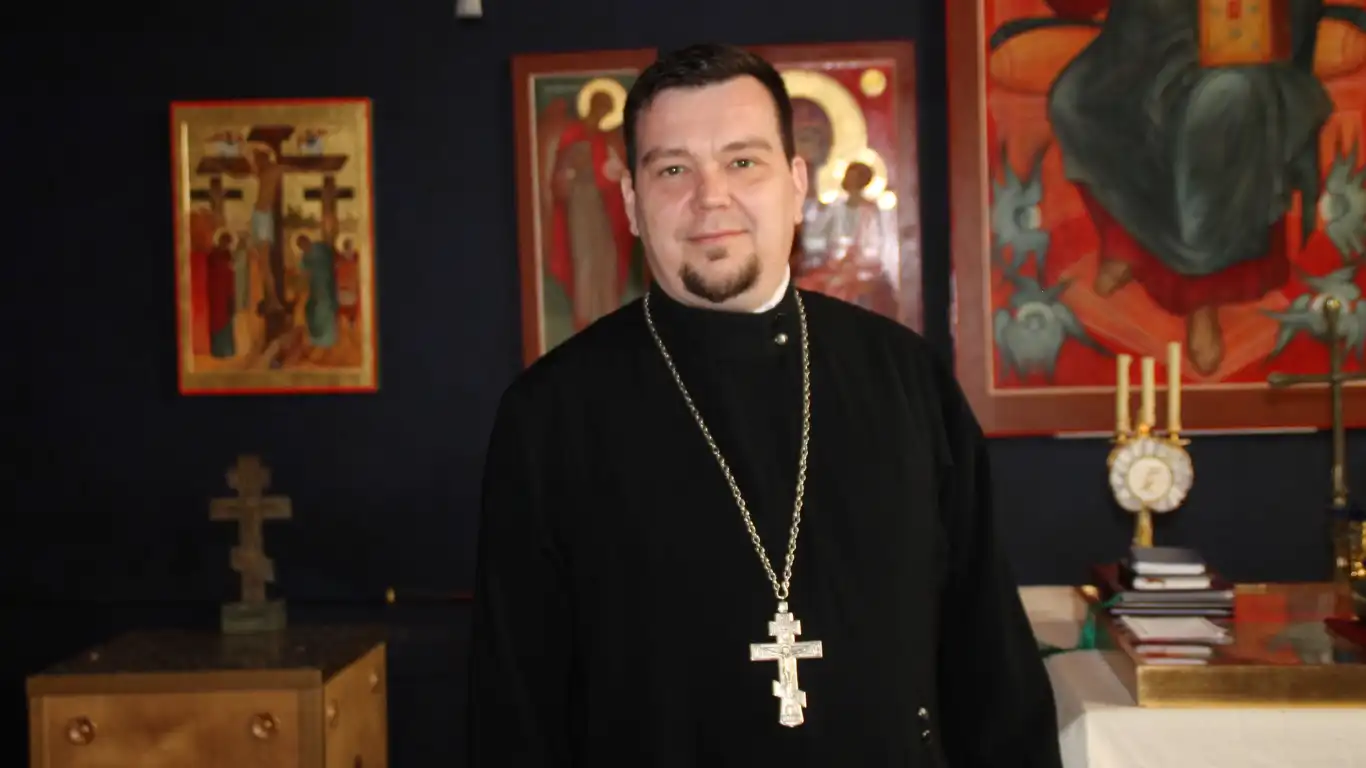
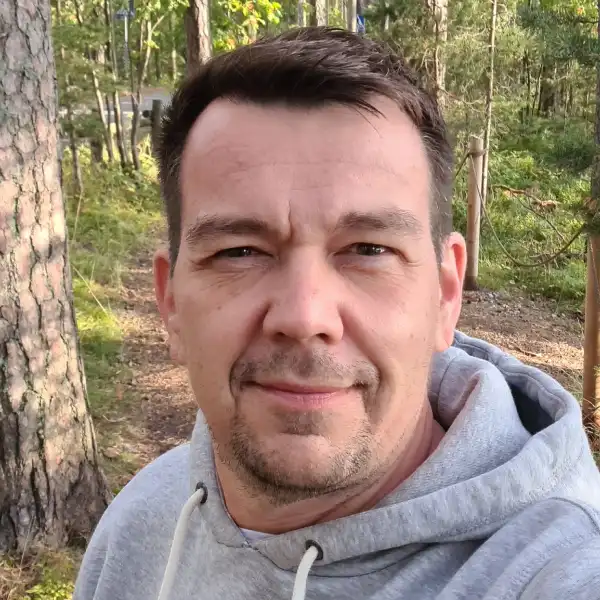
In 2024, readers of a local newspaper saw my face on its pages alongside the headline “The Courage to Leave.” The article focused on my coming out, divorce, and departure from the priesthood of the Orthodox Church of Finland. To be honest, I still do not know whether appearing in the Finnish press was the goal of my move to Finland 22 years ago.
In the spring of 2004, I came to Finland for work at the invitation of a religious organization to develop Russian-language outreach to migrants from the post-Soviet region. At the time, I was known in Finland as a successful preacher, a father of two, and a devoted family man. I had nearly 10 years of experience serving as a pastor in evangelical communities in Karelia.
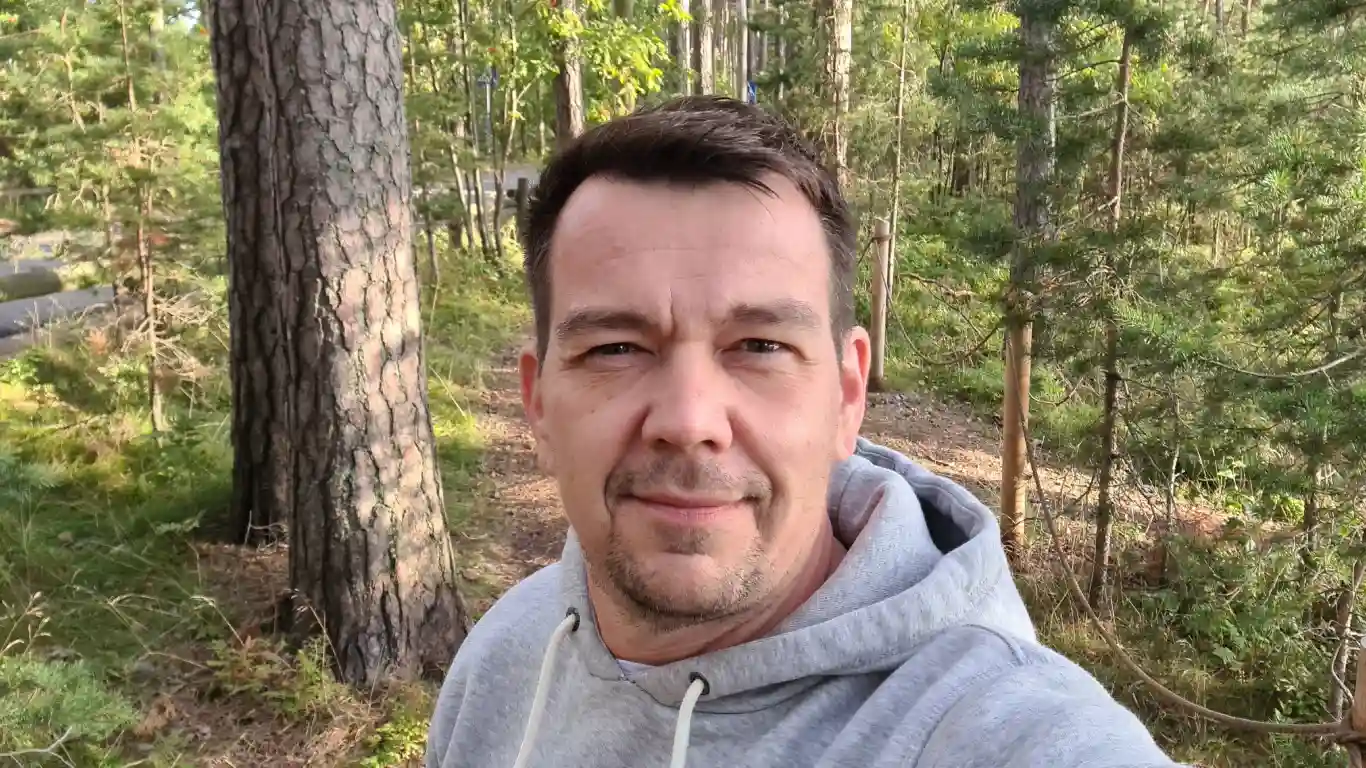
Behind the scenes, however, the reality was different. Some people close to me knew that my move to Finland was connected to inner struggles and complete emotional burnout. The answer to how I ended up in that state is simple: it was the result of a prolonged attempt to change my sexual orientation. The story of that journey began in a small Karelian town. I had known since childhood that I was attracted to people of my own sex. When I was 13, I began a romantic relationship with a male friend that lasted until I turned to religion. Back then, in the late 1980s, no one talked about homosexuality. It simply existed, and everyone reacted to it as they saw fit.
At 17, I threw myself into religion. After meeting preachers from Finland, I went from being a listener to a preacher myself. I was sent to study in Moscow, and from there I returned to Karelia to serve as a pastor.
For many reasons, I started a family in 1997. I knew I was taking a risk, but preserving my career and position within the religious organization mattered more to me. While studying in Moscow, American theology professors taught me about sexuality and homosexuality, and how our religious consciousness was supposed to respond to them. No, it was not entirely negative; rather, it was useful information that was difficult to obtain in that form in Russia in the early 1990s. Living in almost total abstinence, I eventually found myself on the verge of emotional exhaustion.
After my project with the missionary organization ended, I was invited to stay in Finland. I received help relocating my family. After that, I became involved in community work and business while trying to find ways to deal with my sexual desires. Later, people remembered me, and I found myself among the Orthodox community in Finland. My interactions with Finnish Orthodox Christians allowed me to learn how the Orthodox Church of Finland lived and what mattered to it. After seven years of involvement with the Orthodox community, I found myself ordained as a priest.
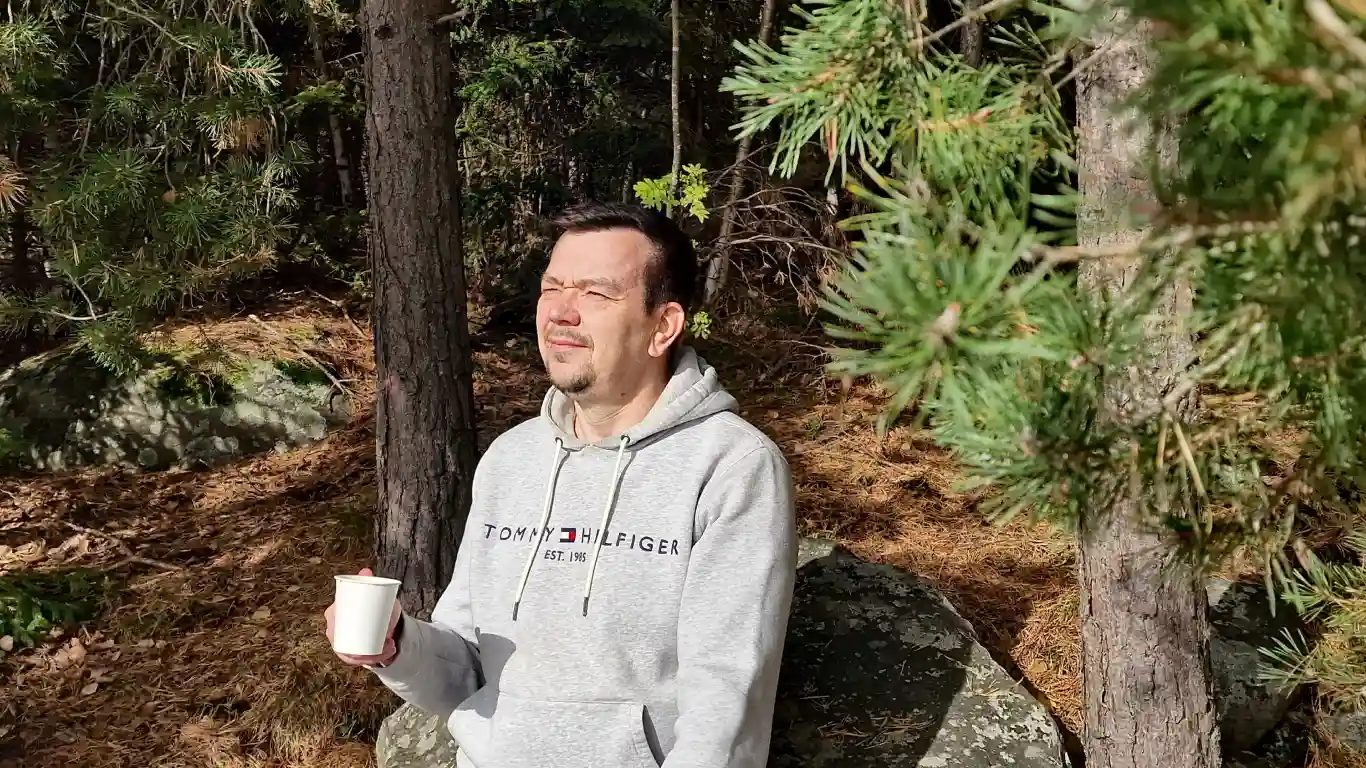
Surrounded by fairly liberal followers of Orthodox Christianity in Finland, I felt no pressure regarding my sexuality or community activities—until I was ordained as a priest and assigned to work with Russian-speaking parishioners. That was when the second wave of going back into the closet began. Helsinki is not a large city, especially when you are an Orthodox priest. My sex life once again took a back seat. Despite this, rumors began to circulate among the Russian-speaking parishioners. Eventually, I was asked whether I was gay. I had to reply that I did not normally discuss such matters with parishioners, but that this time I would answer directly: yes, I am gay. Silence followed. But then a real storm erupted after I took part in the Helsinki Pride march wearing civilian clothes.
Everything that happened afterward cannot possibly fit into this article. But the outcome was clear: ultimately, I had to admit that I was once again completely emotionally burned out and deeply depressed. Once I realized this, I decided that I had nothing left to lose. I officially came out on social media, filed for divorce, left the priesthood, and departed from the Orthodox Church of Finland.
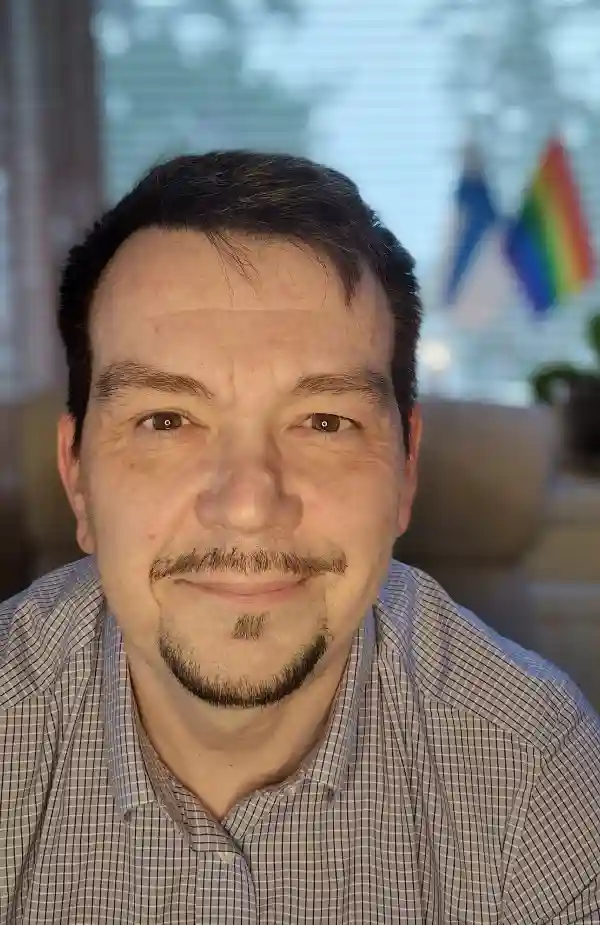
The hardest part of coming out was not leaving the church itself, but realizing that for many years I had deceived myself, my former wife, and the people close to me through my religious work. I understood that by saving myself and taking a step toward honesty, I would inevitably inflict severe emotional and psychological harm on them.
Some time after I was defrocked, it was hinted to me that I could continue serving and that there was nothing wrong with being gay. The only condition was that I would have to remain celibate, at least officially. After that conversation, I realized they were trying to force me back into the closet. That was when something I can only describe as a self-preservation instinct awakened in me.
At the time, I was 45 years old. I was a citizen of Finland, where same-sex marriage had been legally recognized since 2017. It was, one might say, my dream—a dream I had unconsciously pursued, sometimes making choices that seemed rather strange to others. And so, having freed myself from obligations to everything I had been tied to for several decades, I decided to make my dream a reality. In 2023, I married the man I love.
Did my initial expectations of Finland prove accurate after I moved there? For the most part, yes. But after living here for more than twenty years, I came to understand something important: to live freely as an LGBT person, even in a country like this, you must consciously avoid close ties with certain religious and civic organizations that continue to pressure people and try to keep them bound by “traditional” values.
My journey to freedom was a long one, but it became possible thanks to my move to Finland. Unfortunately, this is not the case for everyone. Many migrants from the post-Soviet region continue to live in the closet. Most often, this is because of their parents, relatives, or religious and cultural bubbles. Sadly, such cases are far from rare. Not everyone decides to come out, because doing so can lead to social isolation and the loss of their close-knit community. That happened to me as well, but I got through it because other LGBT people stood by me—some from entirely secular circles and others from religious communities.
When we move abroad, we sometimes have the illusion that everything will change on its own. Unfortunately, leaving the country where you were born does not mean automatically leaving its information environment behind or escaping the pressure of your former society. That is why it is important to have LGBT media in the Russian-language information space, as well as both local and online Russian-speaking organizations that help people take their first steps toward coming out.






0 comments
Enter your email — we’ll send you a one-time code. No passwords or accounts.
Code sent to
If the email doesn't appear in your inbox within a few minutes, check your spam, junk, or promotions folder, as some email services may mistakenly place automated messages there