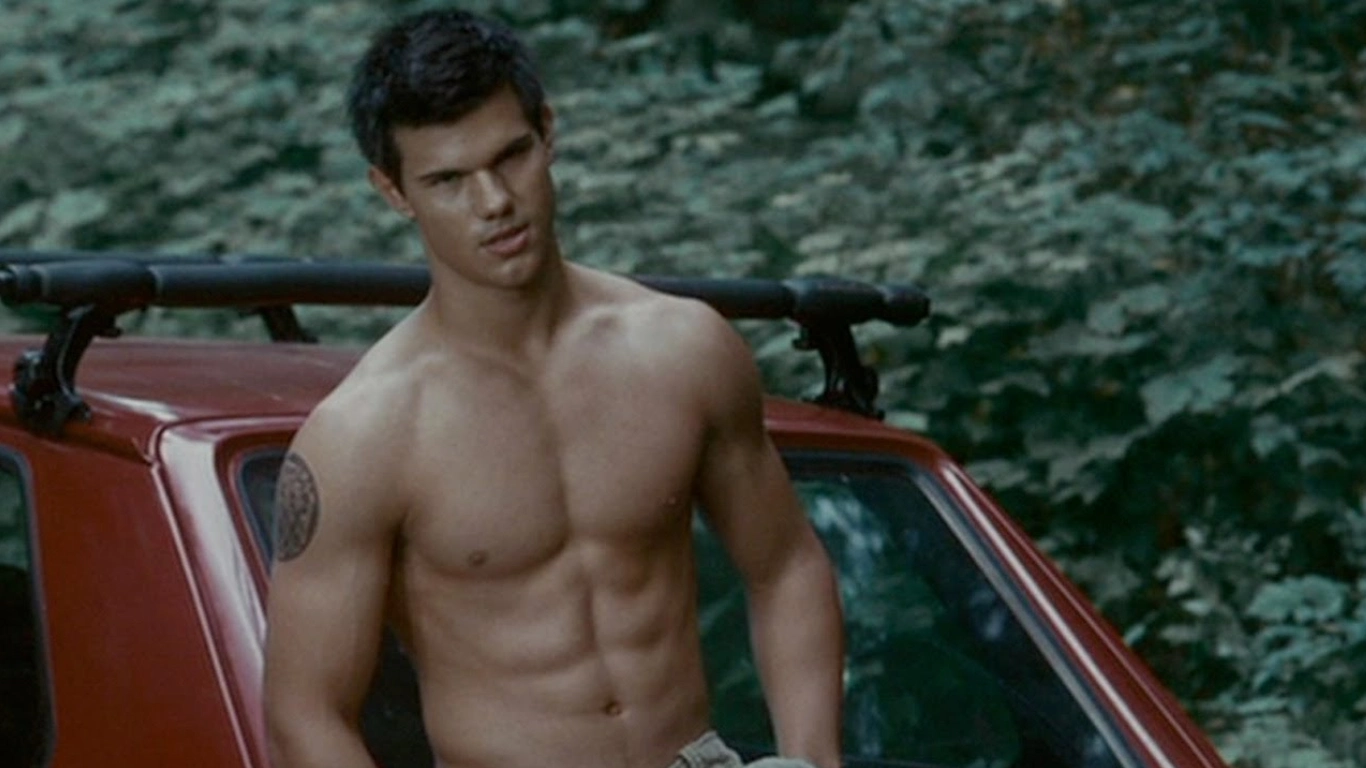
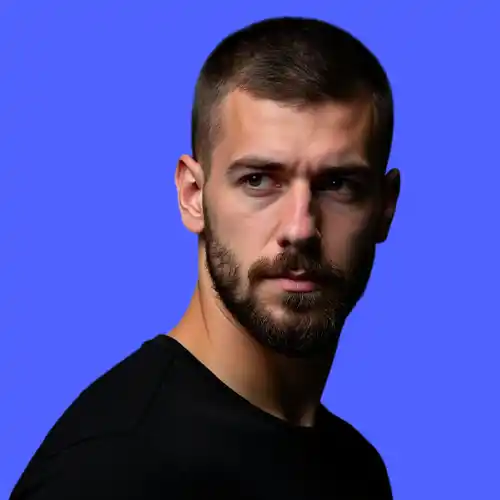
Twenty-one years ago, the first installment of Stephenie Meyer’s vampire franchise “Twilight” hit bookshelves, triggering the sexual awakening of an entire generation—or perhaps even two, given the debate over the boundaries of Gen Z, something actor Robert Pattinson himself has pondered. Today, as the traditional fall season of rewatching the saga to Julia Wolf’s track “In My Room” and attending Pacific Northwest-themed fan parties begins, critics and fans are once again turning to the franchise’s cultural legacy.
Even those who greeted the mainstream phenomenon with teenage skepticism when the novel came out—opting for the more explicit 1990s fantasy series “Anita Blake: Vampire Hunter” over Meyer—now acknowledge that “Twilight” left a profound mark on queer culture.
“Wanting What Will Destroy You”: What Do Mormonism and the Gothic Have to Do With It?
At first glance, “Twilight” is a torrid YA fantasy with obvious Mormon undertones and a condemnation of premarital sex. Yet Kristen Stewart, who played Bella Swan and is herself queer, in a 2024 interview with People flat-out called “Twilight” “a very gay movie.”
“The book was written by a Mormon woman,” Stewart noted. “The whole story is about oppression and wanting what’s going to destroy you. That’s a very Gothic, gay inclination that I absolutely love.”.
Historically, the vampire has always served as a metaphor for forbidden desire and a queer allegory—from Bram Stoker’s “Dracula” to “Buffy the Vampire Slayer” and “Interview with the Vampire.” Although the Church of Jesus Christ of Latter-day Saints preaches anti-LGBTQ+ doctrine, the story of the Cullen family itself contains direct parallels to the queer experience.
A Life in Hiding and the Fear of Coming Out
The Cullens are not merely vampires; they lead an “alternative lifestyle,” abstaining from human blood in defiance of their society’s accepted norms. Their secret desire and the stigma they face from other bloodsuckers evoke the lives of an oppressed minority. As critic Lisa Laman put it in Autostraddle, the Cullens are “a bunch of closeted homosexuals who just happen to drink blood and run really fast.”
Metaphors for the queer experience also permeate Bella’s own story:
Fear of coming out to a parent: Bella’s inability to tell her loving and supportive father, Charlie, what Edward is mirrors the teenage experience of deciding whether to come out in the face of societal stereotypes about vampires.
The first queer breakup: When Edward leaves in New Moon, Bella goes through such a devastating breakup that fans read her experience as a classic first queer heartbreak.
Edward, Jacob, and Fujoshi Culture
The saga’s queer potential extended far beyond metaphor. Even before novels like Heated Rivalry fans (particularly the fujoshi community) watched Edward and Jacob vie for Bella’s attention, conveying a palpable and virtually sexual tension between the two men.
The homoerotic subtext between Edward and Jacob is so widely recognized that AI-generated fan videos of them kissing during an argument go viral on social media. In fans’ interpretations, the relationships within this trio are dramatic not only because a choice must be made, but also because they live in a society that does not allow all three of them to choose one another.
Why does this matter today?
Twilight’s queer subtext was not invented by fans over time—it was present in the text itself and the film adaptation from the outset. Whether they are putting on the saga on an autumn evening or reciting the iconic line “Bella, where the hell have you been, loca?”, viewers are engaging with an unexpected yet important chapter in the history of queer cinema.





0 comments
Enter your email — we’ll send you a one-time code. No passwords or accounts.
Code sent to
If the email doesn't appear in your inbox within a few minutes, check your spam, junk, or promotions folder, as some email services may mistakenly place automated messages there