
In October 2026, a major political scandal erupted in San Francisco: 36-year-old Manny Yekutiel, considered one of the most promising candidates for District 8 city supervisor, withdrew from the race in disgrace amid multiple allegations of sexualized violence. Influential members of the older generation of the gay community came to his defense, claiming that in gay circles “the criteria for violence work differently.” Drawing on examples from his own life and contemporary politics, journalist and publisher Marke Bieschke explains why the older generation’s arguments about “transferred trauma” are outdated and why the concept of “согласия” must be universal.
Table of Contents
A political scandal and the argument for a “special context”
Пострадавшие мужчины заявили о “нежелательном цифровом проникновении” на домашней вечеринке и неоднократных схватываниях за промежность на танцполе, продолжавшихся даже после прямых отказов. Сам Екутиэль отрицает вину или утверждал, что «ничего подобного не помнит», однако под нарастающим давлением общественности снялся с предвыборной гонки.
Yekutiel said that he either categorically denied the incidents or “did not remember anything like that.” Nevertheless, amid mounting public pressure and once it became impossible to conceal what was happening, he was forced to withdraw his candidacy. The San Francisco Democratic Party later issued a grudging apology for initially endorsing him, while rank-and-file party members began demanding the resignation of its chair, Nancy Tung.
WHO IS MANNY YEKUTIEL?
He is 36 years old. He came of age in the era of social media, Tumblr, and the #MeToo movement, went through elite educational programs (including Milken Scholars), and is an extremely privileged person. As Marke Bieschke notes, Yekutiel experienced neither the era of the “Lavender Scare” (the persecution of gay people in the United States in the mid-20th century) nor the peak of the AIDS epidemic. His behavior is not a manifestation of “old trauma,” but rather “a classic sense of entitlement on the part of a landowner toward gay peasants.”
Political cover: how officials covered for a candidate
What shocked the San Francisco public most was the response from the older generation of gay politicians holding key positions in the city government. Instead of investigating and supporting the victims, they attempted to put the brakes on the case.
- Rafael Mandelman (age 52), a sitting San Francisco supervisor, privately expressed his unconditional support for Yekutiel, remarking: “For women, [harassment] is — a serious matter. But among gay men, it’s not a problem.”. When the information was leaked to the press, Mandelman tried to deny the quote, but only made matters worse by publicly stating: “Sexual violence — is a problem. But I believe it happens differently among gay men, and there is a different threshold [of what is acceptable].”.
- Matt Dorsey (Matt Dorsey, 61), another influential gay supervisor, completely ignored the victims' statements. On social media, he immediately shifted the discussion to how Ekuetiel would embark on a “journey of rehabilitation, recovery from addiction, and return to power.”
“Sexual assault happens differently in the gay community, and there is a different threshold of sensitivity here.”
City Supervisor Rafael Mandelman
Both officials, along with part of the city's political elite, ignored the initial warning signs and withdrew their support for Ekuetiel only when the scandal reached catastrophic proportions.
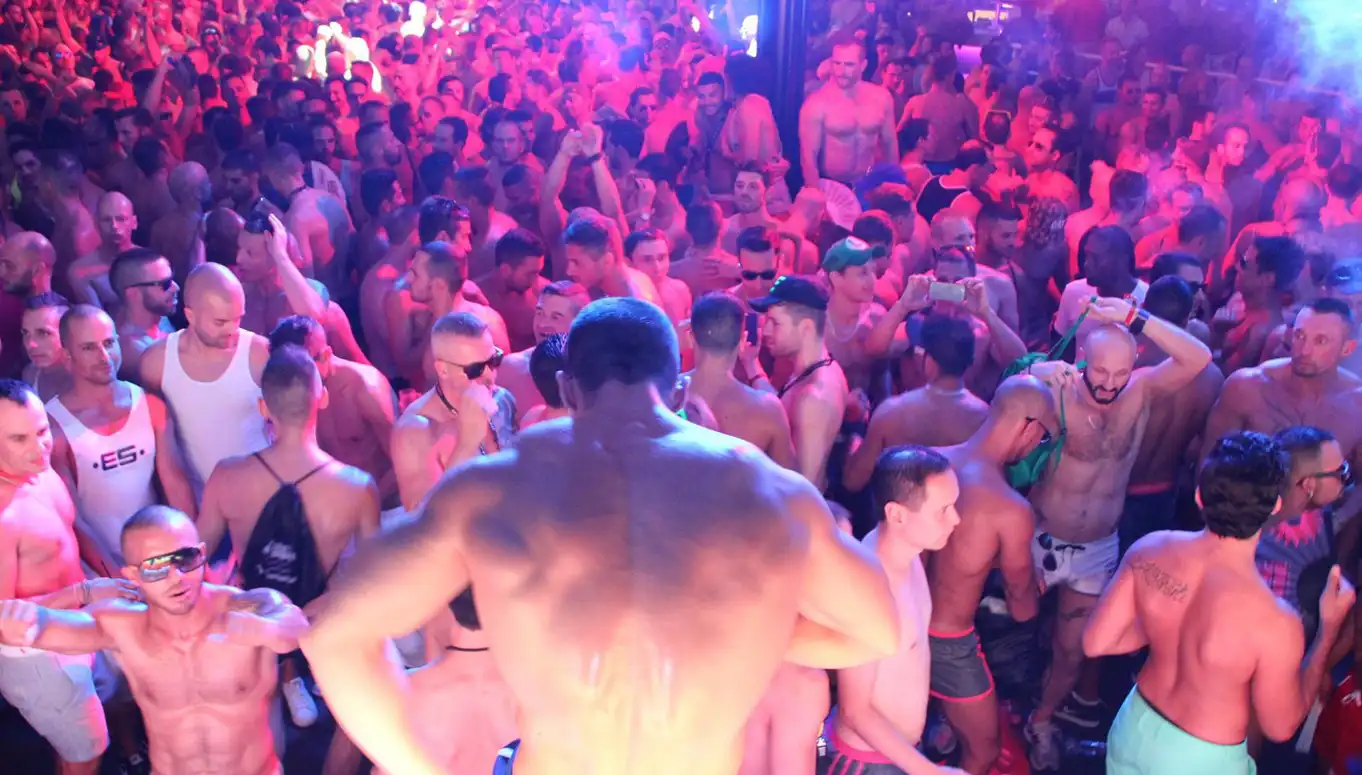
On social media, they were supported by members of the older generation (Gen X): comments in San Francisco's gay community included sentiments such as “everyone goes through this,” “that's normal at gay parties,” and “calling groping assault is just young people being overly sensitive”.
Detroit, 1986: the origins of a culture of silence
To explain where this logic comes from, journalist and publisher 48 Hills Marke Bieschke cites a story from his own life.
In 1986, at the height of the AIDS epidemic in Detroit, 18-year-old Bishke went to a gay bar alone for the first time. He sat on a vinyl stool beneath a flickering screen playing a Madonna video. An older man with tobacco-stained teeth approached him, rasped out a dubious compliment, and began getting handsy.
Bishke pushed him away, made a scene, and demanded that the bartender throw the man out. The bartender responded thoughtfully: “His generation has been through a lot”.
“Looking back, you realize that saying something like that to a teenager living at the epicenter of Detroit’s AIDS crisis and about to lose half his friends was sheer madness. It did nothing to break the cycle of trauma”, Bishke recalls.
That day, the young Bishke absorbed a dangerous myth: that a gay bar was an absolute zone of freedom where older gay men who had survived brutal repression and harassment were entitled to act on their desires without regard for social conventions or other people’s boundaries. Forty years later, Bishke himself has become an older gay man who has lived through history, but he emphasizes: past suffering does not give anyone the right to get handsy.
HOW IS GROPING DIFFERENT FROM HEAVY PETTING?
As the source explains, it is important to clearly distinguish between the terms:
Groping (fondling) — by definition, this is UNWANTED sexual touching. Unwanted groping is assault.
Heavy petting (mutual caressing) — this is MUTUAL sexual contact based on consent.
Designated spaces — sex clubs, backrooms, private parties, and dark alleys where the rules of engagement are known in advance.
An ordinary gay bar, dance floor, or house party is NOT a space where merely being present automatically constitutes consent.
A new generation rebels: “We need a higher standard”
Unlike the high-profile scandals of the past involving Kevin Spacey or director Bryan Singer, the current case in San Francisco has met with fierce, organized resistance from within the queer community itself.
A group of young LGBTQ officials and activists issued an open letter that blasted Mandelman and Dorsey's position:
«Геям не нужен “другой порог” для сексуального насилия. Нам нужен более высокий стандарт лидерства для нашего сообщества и нашего города».
Today, norms are changing within the club industry itself. Marke Bieschke is a co-owner of the queer bar The Stud in SoMa and works with the organization The Night’s Watch, which combats sexual violence in San Francisco nightclubs. In modern venues, the phrases «ask first» («ask first») and «navigating consent» («navigating consent») have become ground rules, and bartenders side with victims rather than aggressors.
The scandal involving Manny Yekutiel marked the end of an era when political status, money, or references to “historical trauma” could be used to sweep harassment under the rug. As the author concludes, if someone persistently grabs your crotch despite you saying no, that is assault—and that person has no place in power.
Article prepared by Doberman Media
based on materials from the publication 48hills.org (San Francisco)






0 comments
Enter your email — we’ll send you a one-time code. No passwords or accounts.
Code sent to
If the email doesn't appear in your inbox within a few minutes, check your spam, junk, or promotions folder, as some email services may mistakenly place automated messages there