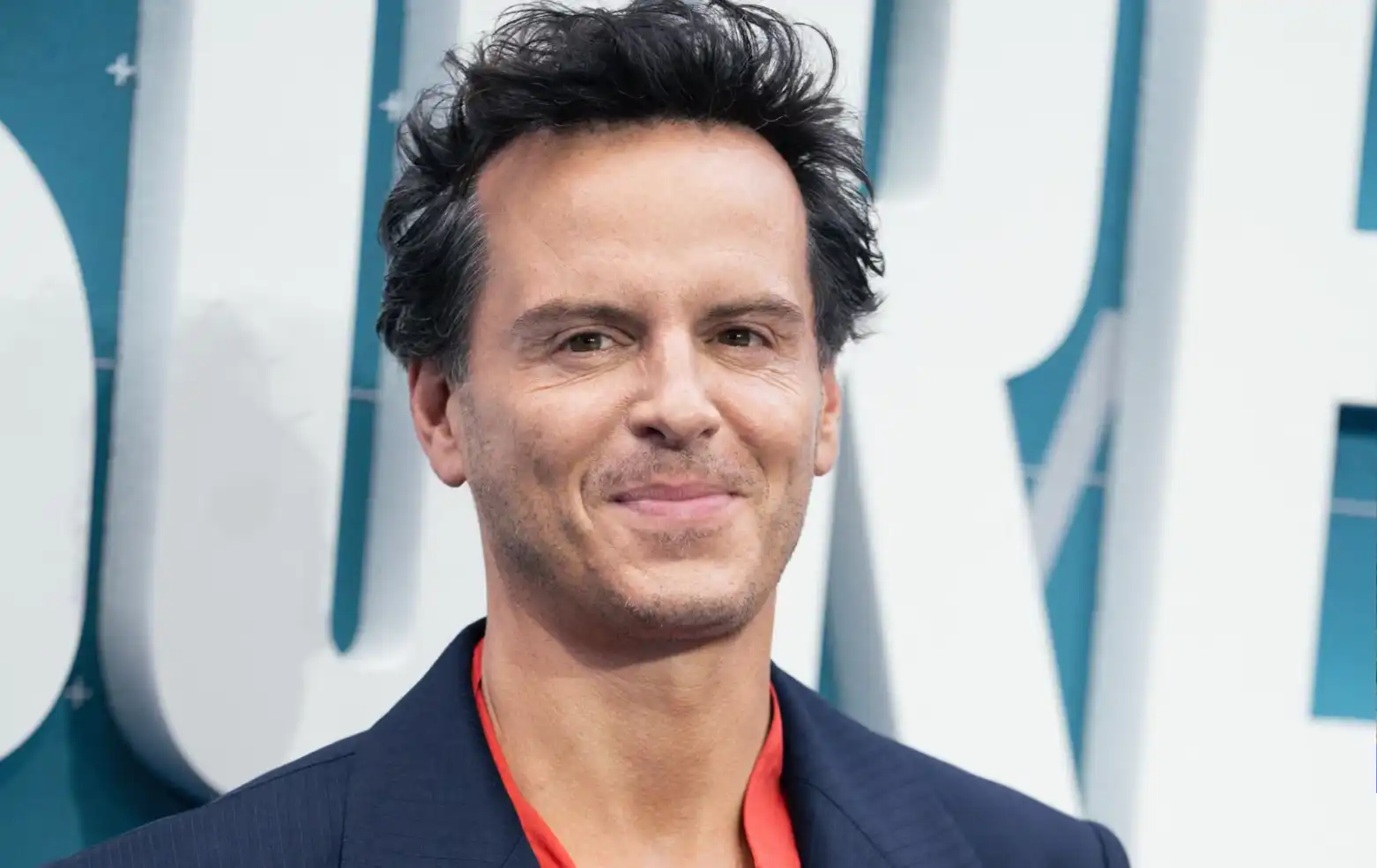
Coming to theaters the film “Elsinore” (Elsinore) — a deeply personal project from Irish actor Andrew Scott, dedicated to the extraordinary achievement of British performer Ian Charleson. In 1989, Charleson played the Prince of Denmark on the stage of the Royal National Theatre while terminally ill with AIDS. We explore how a real-life tragedy from three decades ago changed public attitudes toward the disease, and why Andrew Scott is ushering in a new era for gay actors in world cinema, writes British The Guardian.
Who was Ian Charleson, and what happened in 1989?
In December 1989, Ian Charleson replaced Daniel Day-Lewis as Hamlet at London’s National Theatre. By then, the actor was already terminally ill with AIDS, but kept his diagnosis hidden from the public. His performance was hailed as one of the finest in history, despite the extreme physical demands: the production ran for four hours, included 1,500 lines of dialogue, and featured a sword fight in its third hour. In a conversation with his doctor (played in the film by Olivia Colman), Charleson uttered the now-legendary words: “I’d rather die from Hamlet than from AIDS”.
Charleson died six weeks after the final performance, at the age of 40. His family decided to publicly disclose his diagnosis and sexual orientation. This was the first celebrity death in the United Kingdom to be officially attributed to AIDS, which played an enormous role in raising public awareness and acceptance of the LGBTQ+ community.
Why did “Elsinore” become a passion project for Andrew Scott?
For Andrew Scott, “Elsinore” became more than just another job—it was a manifesto for him both as a producer and an actor. He raised funding together with screenwriter Stephen Beresford (who wrote the 2014 film “Pride”). The main impetus for starting production was the death of Scott’s mother, Nora, in 2023. The actor admitted that in his grief, he felt he had “nothing to lose”.
Scott himself was born in Dublin in 1976, made his film debut at 17, and studied drama at Trinity College. Early in his career, despite playing gay roles, he was strongly advised to keep quiet about his own sexual orientation to avoid becoming a victim of stereotypes and labels. The actor recalled that this atmosphere created “a terrible feeling, as though he were being prevented from speaking a language he desperately wanted to speak”.
How did Andrew Scott rewrite the rules in Hollywood?
Scott publicly came out in 2013 at the age of 37—shortly after playing Moriarty in the TV series “Sherlock.” In the years since, he has blazed a trail that few had before him, proving that an openly gay actor can play a wide range of heterosexual characters. Among his most memorable straight roles are the “Hot Priest” in the TV series “Fleabag”, Richard Rodgers in “Blue Moon,” Anthony Julius in “Denial,” meteorologist James Stagg in the war drama “Pressure,” and no fewer than 10 characters in the one-man show “Vanya.”
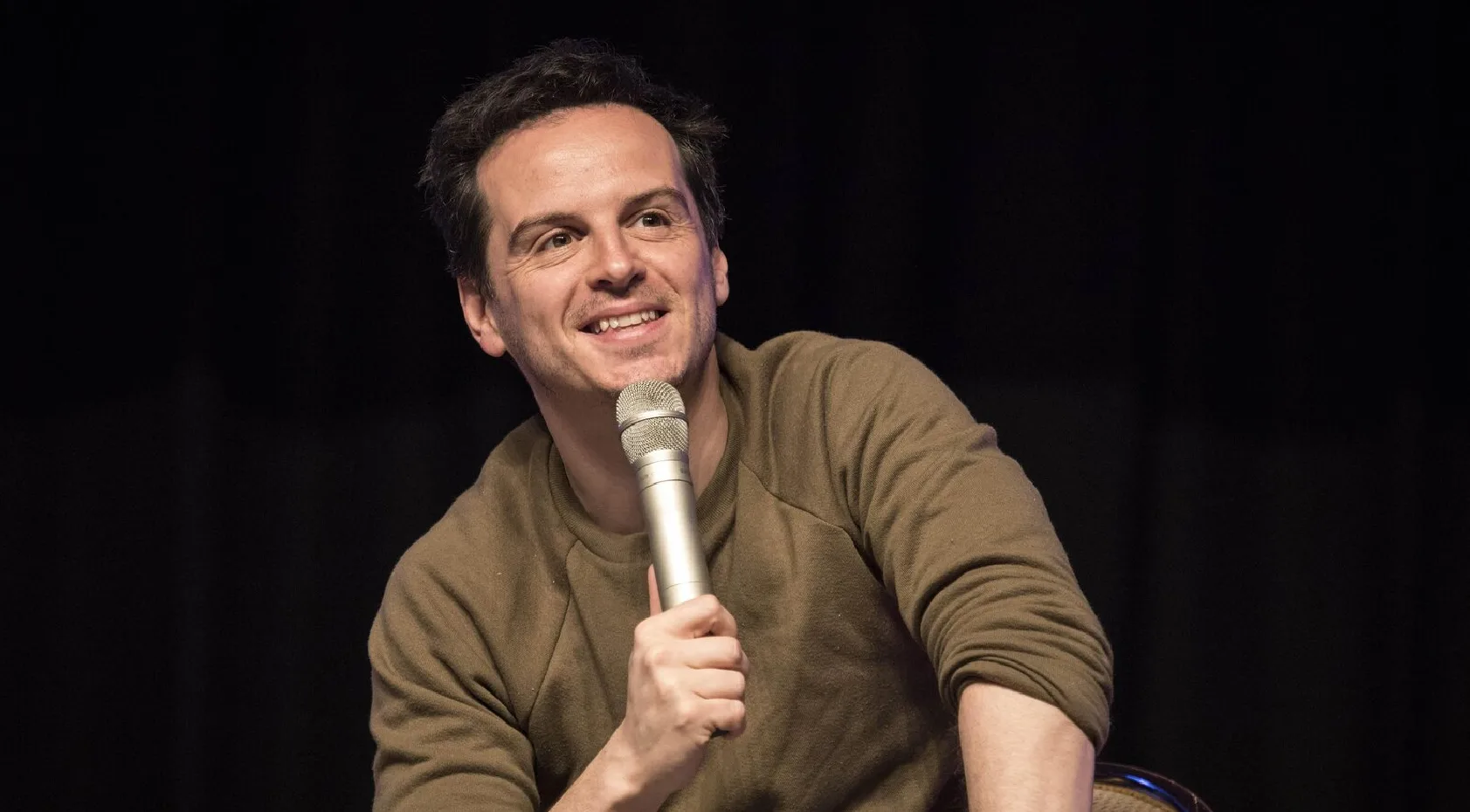
At the same time, Scott does not shy away from queer themes—his credits include roles in the films “Pride” and “All of Us Strangers,” as well as the series “Ripley.” As Variety’s chief film critic Guy Lodge notes, Scott is forging an unprecedented career path: he is neither confined to stereotypical gay roles nor does he avoid them to preserve his “mainstream appeal.”
What can we expect from the film, and will it settle the Oscars’ historical debt?
Directors Simon Stone and Andrew Haigh, along with co-star Johnny Flynn, are unanimous in calling Scott’s performance in “Elsinore” stunning, praising its combination of consummate technique and fearless emotional honesty.
Scott’s own awards journey long remained mixed: despite having Laurence Olivier and TV BAFTA awards for “Sherlock” under his belt, he missed out on major awards for “Fleabag,” while in 2024 his performance in “All of Us Strangers” was unexpectedly overlooked for both BAFTA and Oscar nominations.
Nevertheless, “Elsinore” raises an important historical question. Over its 98-year history, the Academy of Motion Picture Arts and Sciences has routinely awarded Oscars for gay roles to heterosexual actors or to those forced to conceal the truth about themselves.
Ian Charleson’s story and Andrew Scott’s performance may come to symbolize long-awaited justice and recognition of professional courage.



0 comments
Enter your email — we’ll send you a one-time code. No passwords or accounts.
Code sent to
If the email doesn't appear in your inbox within a few minutes, check your spam, junk, or promotions folder, as some email services may mistakenly place automated messages there