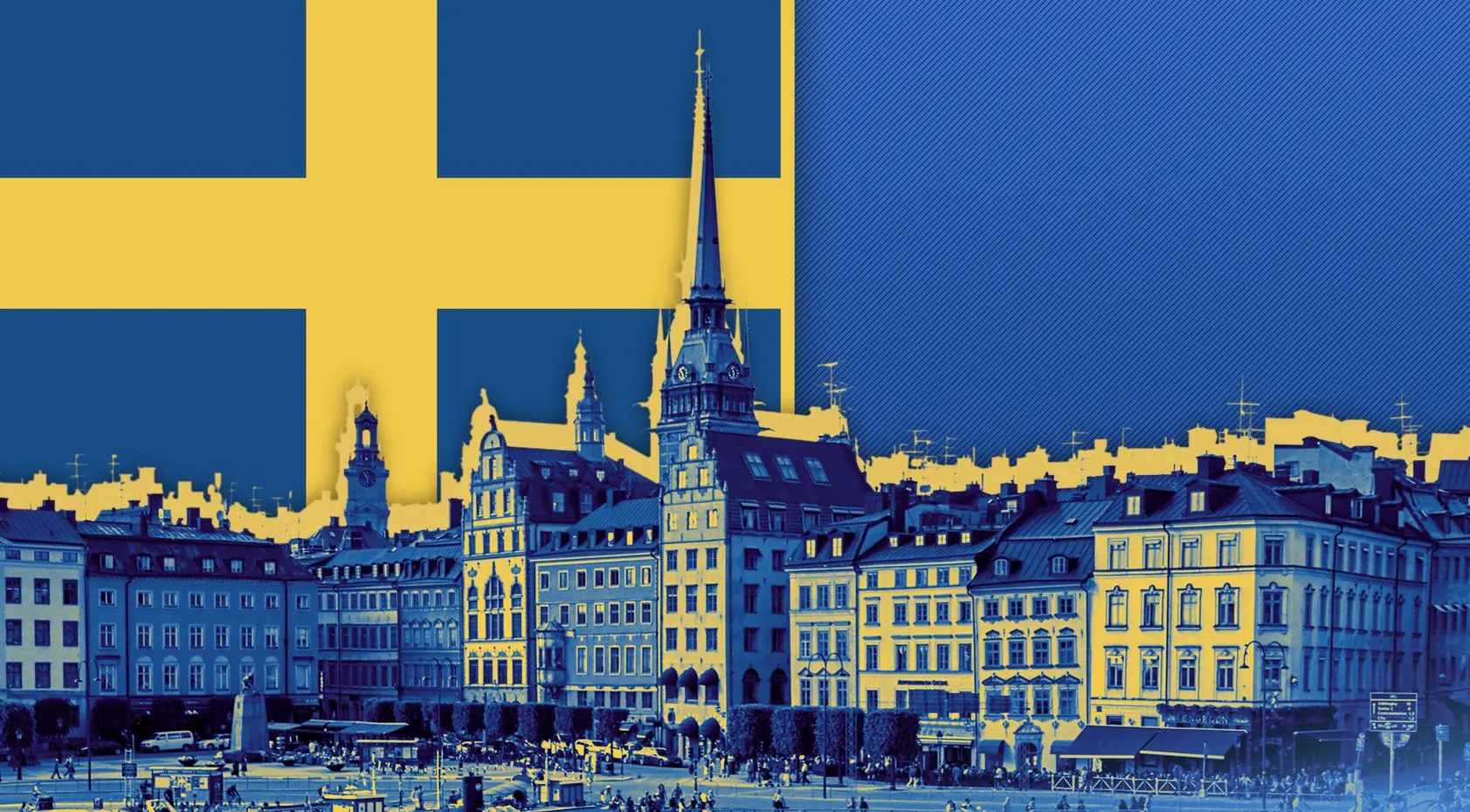

For decades, Sweden prided itself on being one of Europe's most open and generous countries toward refugees, positioning itself as an international “humanitarian role model and bellwether.” Yet in just a decade, the country has made an unprecedented U-turn, creating one of the toughest migration systems on the continent. How did the 2015 migration crisis shatter the previous consensus, what radical measures has Ulf Kristersson's government taken, and why have Sweden's Social Democrats decided to follow neighboring Denmark's example ahead of the September elections? Explains The Conversation.
Table of Contents
The major turning point: how the 2015 crisis frightened Sweden's political establishment
For a long time, Sweden was associated worldwide with a peaceful society built on the principles of social democracy, natural beauty, iconic IKEA furniture, and the music of ABBA. Against this backdrop, the country pursued one of the most liberal asylum policies in the European Union.
Everything changed in 2015 during the large-scale migration crisis in Europe. In a single year, Sweden received more than 160,000 asylum applications — this accounted for over 12% of all applications submitted across the EU. Around 35,000 of them were filed by underage refugees who arrived unaccompanied by adults, representing more than a third of the Europe-wide total for that year.
The massive influx of people placed a catastrophic strain on the country’s public institutions and infrastructure, radically changing the nature of public and political debate.
The authorities’ initial response was a broad cross-party agreement that significantly tightened the rules on asylum and family reunification. Temporary border controls were introduced, while permanent residence permits were replaced with temporary ones for most refugees.
Notably, these decisions were made by a center-left Social Democratic government. These measures were more than a short-term crisis response: they established a new fundamental political consensus that migration to Sweden must be significantly restricted.
The “Tidö Agreement”: a shift to the right and EU minimum standards
The next decisive stage of reform began after the 2022 parliamentary elections. A center-right coalition led by Prime Minister Ulf Kristersson came to power. The government secured parliamentary support from the anti-immigration Sweden Democrats under the so-called Tidö Agreement.
Although the Sweden Democrats did not join the cabinet, the agreement gave them significant influence over the development of migration policy. This laid the political groundwork for the most extensive package of migration reforms in Sweden's modern history.
The new government openly declared its key objective: to make Sweden's asylum policy as restrictive as possible, keeping it at the very lowest threshold of the minimum standards permitted under EU legislation and international law. This restrictive approach was extended to virtually all categories of migration from non-EU countries, with the sole major exception of highly skilled foreign professionals.
The Kristersson government initiated a comprehensive review of the rules in every area: from refugee admissions and family and labor migration to the rules governing detention, deportation, citizenship, and access to social benefits.
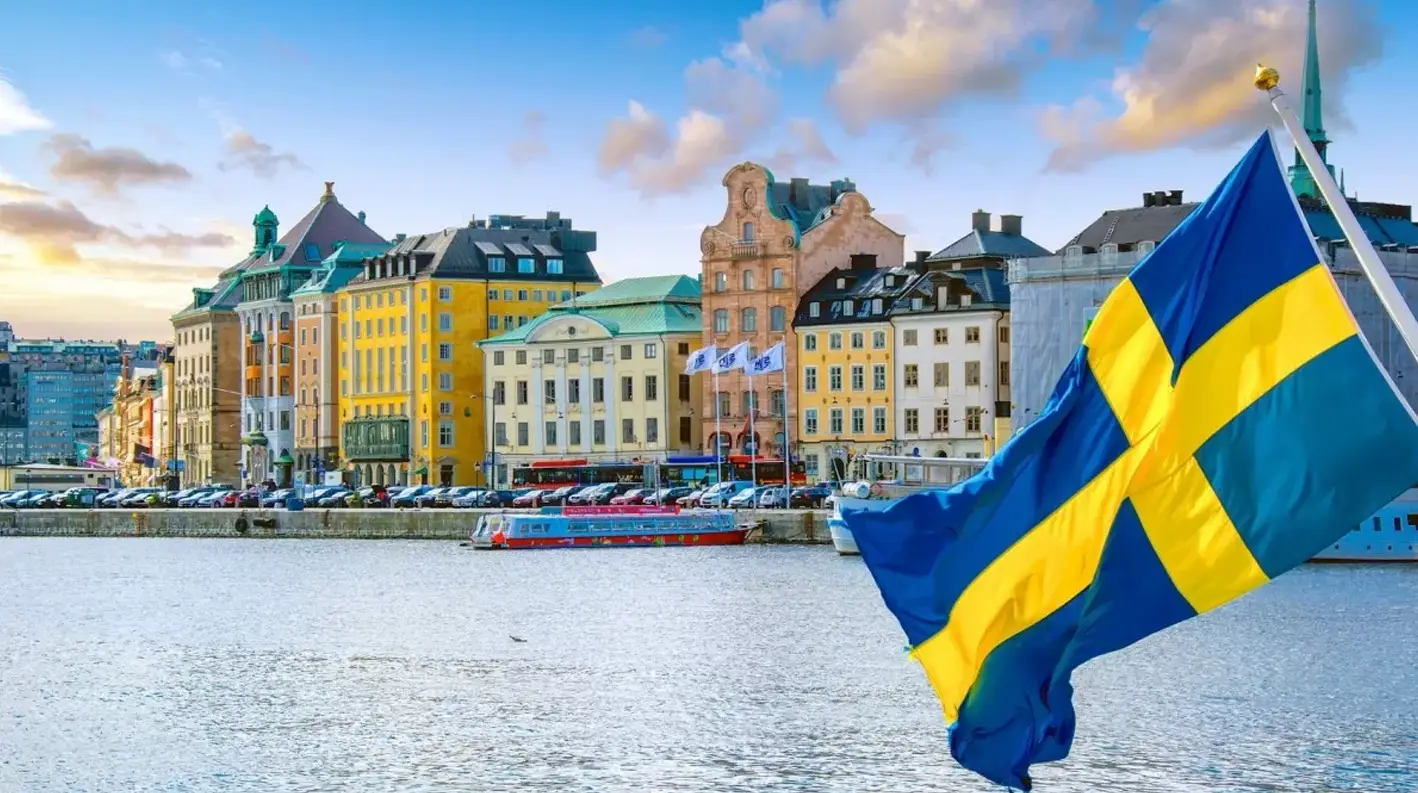
The reforms in detail: quotas, benefits, language tests, and the deportation of criminals
The sweeping legislative changes were introduced in stages:
- Reducing refugee quotas and restricting family migration. The first stringent rules came into force in late 2023. The authorities made family reunification and humanitarian residence permit procedures more difficult, while cutting the annual refugee resettlement quota by more than fivefold—from 5,000 to 900 people.
- Tying social benefits to employment and residency. The bulk of the reforms was adopted in 2025–2026. Under the new rules, access to public social benefits—including child benefits and parental leave payments—was made strictly conditional on meeting residency-duration and formal-employment requirements.
- Tightening of citizenship requirements. Stricter criteria have been introduced for obtaining a Swedish passport, covering the length of legal residence, good conduct, proficiency in Swedish, successful completion of a test on Swedish society, and full financial self-sufficiency.
- Streamlining deportation. The government has significantly lowered the legal threshold for deporting foreign nationals convicted of criminal offenses.
The lengthy period between the announcement of the reforms and their full entry into force in 2025–2026 is due to the specifics of Sweden's legislative process. In Sweden, major legislation is traditionally preceded by government inquiries, public consultations, and lengthy parliamentary reviews, a process that takes several years.
Plummeting to a historic low: Sweden at the bottom of European rankings
The successive tightening of the rules has led to a collapse in the number of asylum applications.
In 2025, only about 6,700 first-time asylum applications were registered in Sweden, and the approval rate was just 23%. On a per capita basis, this figure was less than half the EU average.
According to forecasts by the Swedish Migration Agency, the number of applications will continue to decline, to approximately 4,200 in 2026 and 3,700 in 2027.
Thus, in the space of a single decade, Sweden went from being among Europe's leaders in the number of refugees accepted per capita to being one of the countries with the lowest rates.
The Danish playbook for the left and the intrigue surrounding the September 13 election
However, experts say the most important shift is not in the figures themselves, but in the country's changing political and social climate. According to polls, the overwhelming majority of Swedish citizens supported reducing immigration, particularly the admission of refugees.
Today, Sweden's major political parties have reached a consensus on the need to maintain a tough stance on migration. The main opposition Social Democratic Party supported most of the incumbent right-wing government's reforms and openly stated that it would not reverse these restrictions if it returned to power.
In their strategy, the Swedish Social Democrats are drawing on the experience of their Danish counterparts. Ahead of the 2019 election, Denmark's Social Democratic Party pledged to retain the previous governments' tough immigration laws, allowing it to take migration off the agenda and shift the focus of public debate to welfare, employment, and the economy.
Ahead of the September 13 election, the Swedish Social Democrats are using the same tactic. Meanwhile, the governing right-wing parties are trying to keep migration at the center of the election campaign. They emphasize that if the Social Democrats win, they will have to form a coalition with the Green Party and the Left Party, both of which favor a more liberal migration policy.
Thus, in the September 13 election, the question is not whether Sweden should maintain its strict approach to migration, but which government voters can trust to implement it.





0 comments
Enter your email — we’ll send you a one-time code. No passwords or accounts.
Code sent to
If the email doesn't appear in your inbox within a few minutes, check your spam, junk, or promotions folder, as some email services may mistakenly place automated messages there