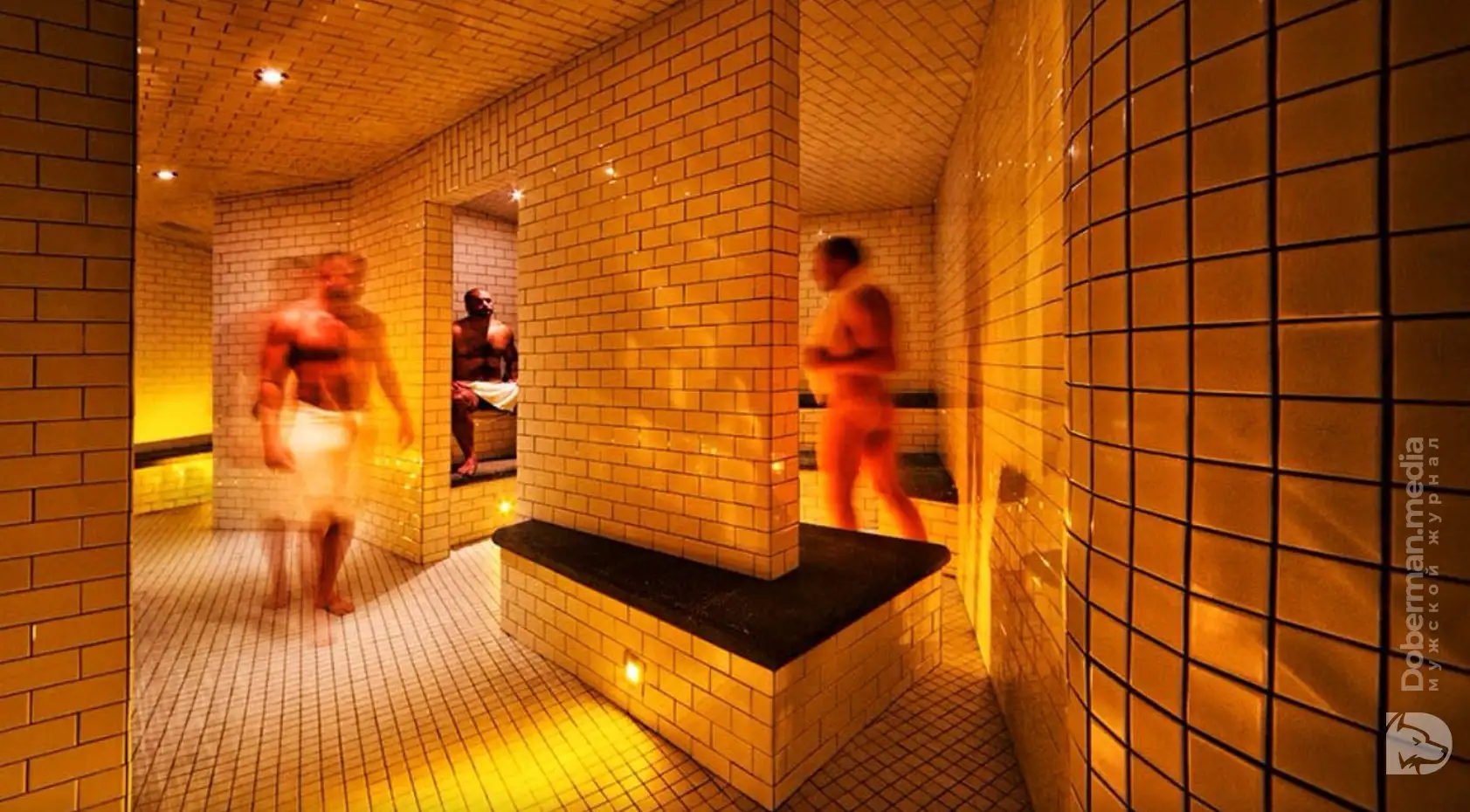

New York State lawmakers have initiated the process of repealing the de facto ban on gay bathhouses that has been in effect in the city for the past 40 years. State Senator Erik Bottcher and Assemblymember Tony Simone introduced a bill known as the “Public Health Modernization Act”, which is intended to legalize adult bathhouses and establish a clear licensing framework for them.
Historical context: refuge and persecution
Before the ban was introduced in 1985, gay bathhouses had existed in New York City for more than a century. Columbia University historian George Chauncey notes that the first documented raids on such establishments (for example, at The Arlington hotel) took place as early as 1903. By the 1920s, iconic venues such as these were operating continuously in the city: Everard Baths and Lafayette Baths.
For many generations of gay men, these spaces were the “safest places” where they could explore their sexuality and find community without fear of being exposed. Activist Allen Roskoff recalls that bathhouses allowed people to be themselves and not pretend to be heterosexual at a time when being open could cost them their careers.

The era of prohibition and medical cpores
This era came to an end in 1985, at the height of the AIDS epidemic. Then-Mayor Ed Koch used changes to the state health code to crack down on establishments where “high-risk sexual activity” took place, sending undercover health officials to conduct inspections.
The decision was controversial even at the time: many activists argued that closing the bathhouses was counterproductive because it deprived people of places where they could receive health education and preventive care at the height of the crisis.

Bureaucratic Barriers and New Standards
Despite the bill's sponsors' optimism, new establishments will not open quickly. If the bill is passed, it will not take effect until 180 days. During this time, the State Department of Health must consult with experts and develop licensing rules focused on “health education and harm reduction.”
The experience of other cities shows that the path can be difficult:
- In In Minneapolis the ban was lifted in June 2026.
- In San Francisco a similar ban was lifted back in 2020, but due to difficulties obtaining permits, the first gay bathhouse there has yet to open.
A modern perspective: apps versus face-to-face interaction
Advocates for bringing back bathhouses, such as Allen Roskoff, believe that in today's digital age, such venues will become an important alternative to dating apps. Unlike the online “hookup culture,” bathhouses provide a space for genuine connection and self-expression.
Today's medical landscape is also radically different from that of the 1980s, thanks to the widespread use of pre-exposure prophylaxis (PrEP) and the availability of testing. Nevertheless, health remains a concern: data from 2024 showed a 5.4% increase in new HIV cases in New York, marking the fourth consecutive year of growth. This is precisely why the new sauna operating rules will include strict safety standards to protect visitors and staff.








0 comments
Enter your email — we’ll send you a one-time code. No passwords or accounts.
Code sent to
If the email doesn't appear in your inbox within a few minutes, check your spam, junk, or promotions folder, as some email services may mistakenly place automated messages there