

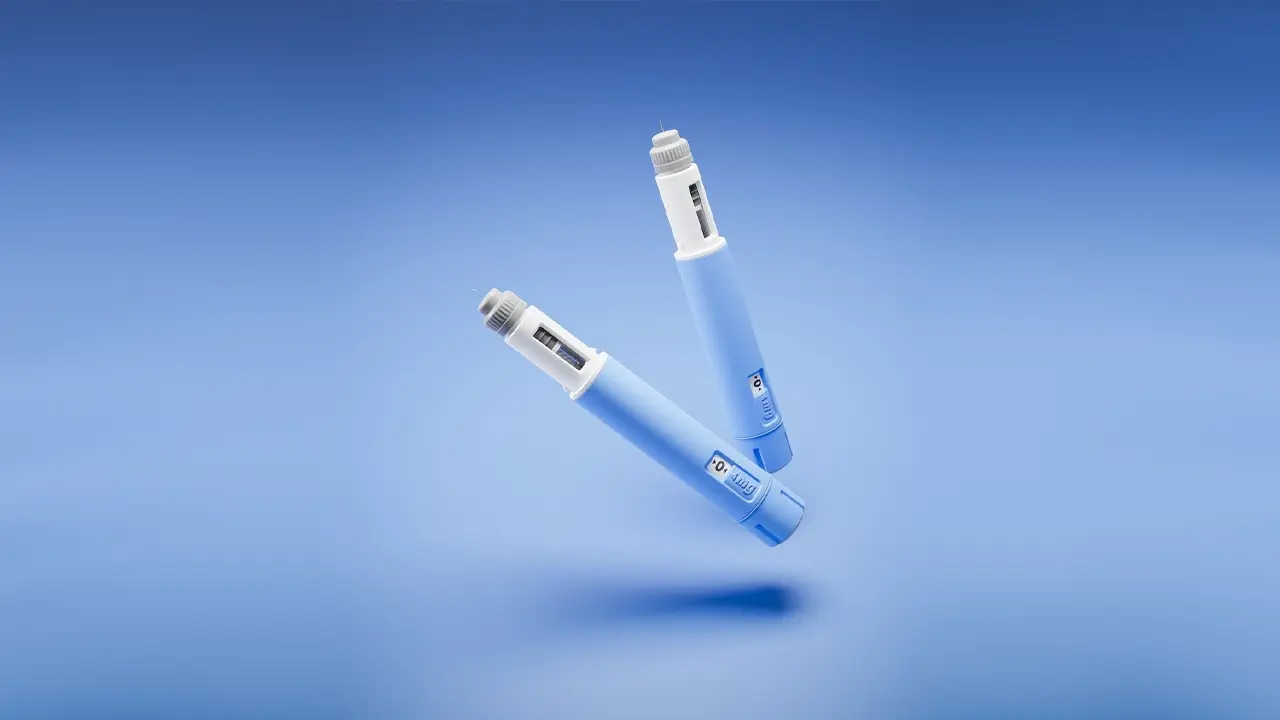
GLP-1 receptor agonist drugs (such as Ozempic, Wegovy, and Mounjaro) have revolutionized the treatment of obesity and type 2 diabetes. However, beyond blood sugar control and weight loss, patients are increasingly encountering an unexpected side effect — changes in sexual desire. For some, these medications become a kind of aphrodisiac; for others, they completely take away interest in intimacy.
Table of Contents
What are these drugs, and how do they work?
GLP-1 (GLP-1 — glucagon-like peptide-1) is a hormone produced in the intestines in response to food intake. It signals to the brain that you’re full and slows stomach emptying. Drugs in this class mimic the action of this hormone, allowing a person to feel full faster, eat less, and avoid sharp spikes in blood sugar.
Is it true that Ozempic affects libido?
Yes, but the effect is highly individual. According to a Kinsey Institute study, patient opinions were almost evenly split: 18% опрошенных заявили о росте сексуального желания, at the same time as 16% noted its decline. About 16% reported an improvement in sexual function, and 12% reported a worsening. At the same time, men were twice as likely as women to admit that, while taking the medication, they became more inclined toward sexual experimentation.

Why can sexual desire increase?
This phenomenon has both psychological and physiological causes.
Self-confidence: Weight loss in a society where thinness is considered the standard often leads to a sharp boost in self-esteem. A person begins to feel more comfortable in their body, which is directly reflected in the bedroom.
Hormonal changes: A reduction in body fat helps increase testosterone levels and lower estrogen levels (especially in men). High testosterone levels are directly associated with increased libido and improved erectile function.
Improved blood circulation: Weight loss can improve vascularization, which positively affects the ability to achieve orgasm and the quality of erections.
And why can libido disappear?
Here, the drug's mechanisms of action may work against the patient:
Impact on reward centers: GLP-1 acts on dopamine pathways in the brain that are responsible for motivation. In many patients, not only the "food noise" disappears, but also interest in alcohol, social interactions, and sex.
"Survival mode": If a person consumes too few calories and nutrients because of a lack of appetite, the body switches into starvation mode, where reproduction (and sex) is no longer a priority.
Physical discomfort: Nausea, bloating, diarrhea, or constipation — common side effects of GLP-1 therapy — clearly do not contribute to a romantic mood.

Are there specific issues for the gay community?
For people who practice anal sex, taking GLP-1 is a double-edged sword.
On the one hand, slowing down bowel function can make stools more predictable, which makes it easier to prepare for sex. On the other hand, side effects such as constipation and gas often lead to the development of anal fissures and hemorrhoids.. Pain, swelling, and spasms in the pelvic area make penetration practically impossible.
What should you do if sex has stopped being enjoyable?
Experts recommend not ignoring the problem and taking the following steps:
Watch your diet and exercise: It is important to get enough calories and exercise to avoid losing muscle mass along with fat.
See a doctor: A dosage adjustment or consultation with an endocrinologist and urologist may be needed. It is necessary to get tests and check hormone levels.
Monitor the gastrointestinal tract: Getting enough fiber and water, as well as using mild laxatives, will help minimize discomfort during sex.
Timing: Try to plan intimacy for those periods when the medication’s side effects are minimal.
As specialists note, everyone deserves a fulfilling sex life even while undergoing treatment, so any negative changes should be discussed with the attending physician.









0 comments
Enter your email — we’ll send you a one-time code. No passwords or accounts.
Code sent to
If the email doesn't appear in your inbox within a few minutes, check your spam, junk, or promotions folder, as some email services may mistakenly place automated messages there