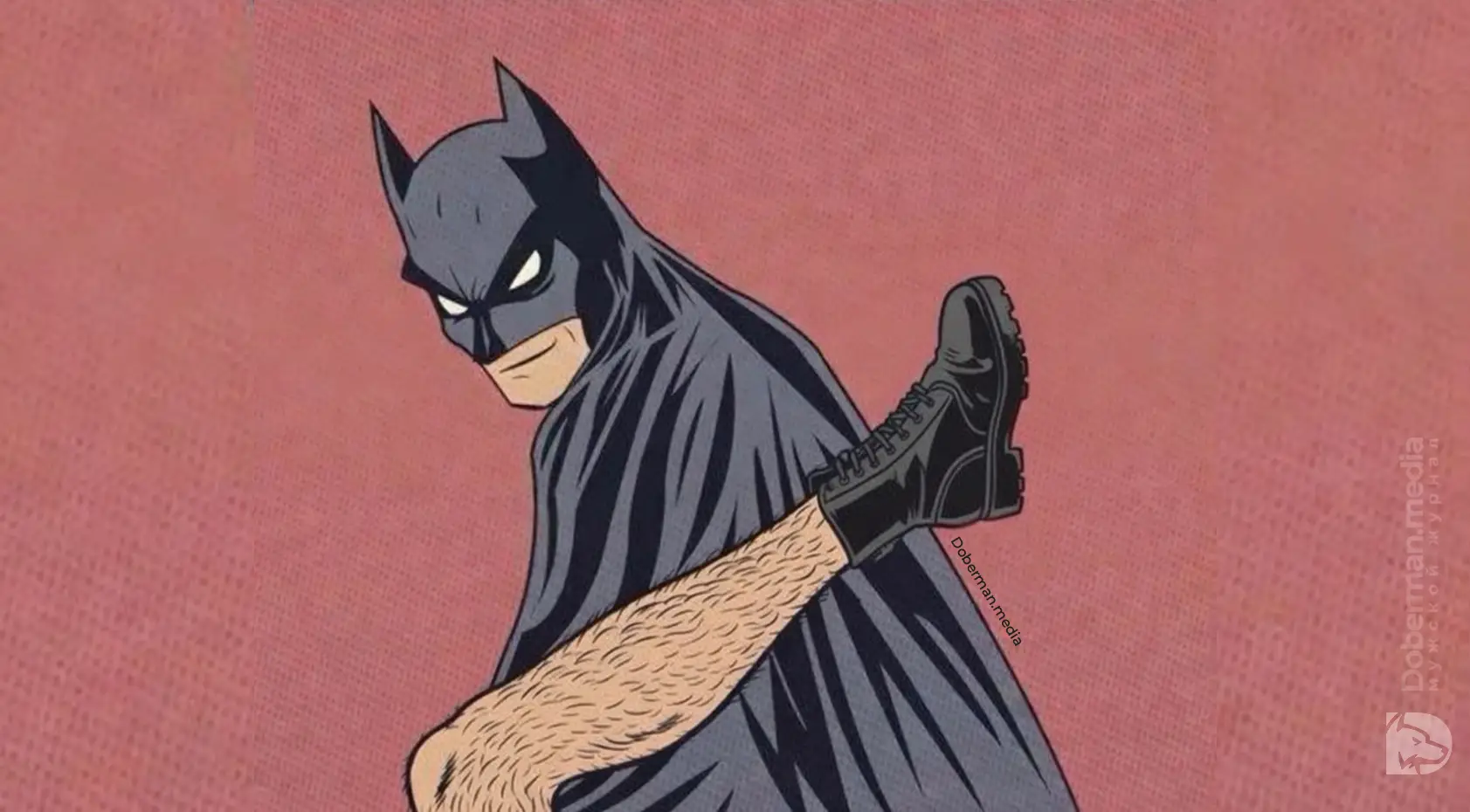

It seems I’m becoming a boomer.
I still believe that a gay man is a man who likes men. I want to call my husband my husband. I believe in monogamy, though I don’t demand it of others. I don’t think open relationships automatically make a person freer, or marriage more boring. And I don’t want to have to check every week whether the words I used to describe myself yesterday are already outdated.
At the same time, I support equal rights, same-sex marriage, protection for transgender people, and everyone’s right to live the way that suits them.
You’d think, where’s the problem here?
The problem begins the moment you’re not just allowed to be yourself, but required to be yourself strictly according to the latest instructions.
Yes, I like the word “gay.” Not queer, not “a person with non-normative sexuality,” not a long construction of identities you have to say in one breath before they shove something down your throat to the very tonsils
Just gay. A man who likes men. Yes, I understand that in the modern world this description is suspiciously short. It doesn’t have an asterisk, small-print explanations, or a link to a glossary.
But it works for me.
For some people, new words really do bring freedom. A person finally finds a term that describes them more accurately, and realizes that everything is fine with them. That’s wonderful.
But for another person, identity gradually turns into a questionnaire that has to be updated regularly. At first I changed my age every year (sometimes twice a year), then I added pronouns, then to make the profile seem complete I added that I’m specifically a cis man, attitude toward capitalism, consent to the processing of personal data.
I have nothing against the word “queer.” Let people call themselves whatever feels right to them. I’m honestly not very concerned with what someone wrote in their biography as long as they’re not demanding that I rewrite mine in a hurry.
The problem starts when someone’s self-identification is presented not just as different, but as more modern.

You say:
— I’m gay.
And people look at you as if you’d just announced that you use a fax machine and keep your music on cassette tapes. Like, okay, got it. A person from the past. Now we’ll carefully move you into a museum and put you next to a phone booth.
But I don’t feel outdated (leave the age jokes to your boyfriend).
There was a time when the word “gay” itself was pretty bold. People said “blue,” “that way,” “one of those,” “nontraditional,” or just lowered their voices to spy-thriller level.
— You know, he… well… you know…
No, I don’t. Is he a tax consultant? A Jehovah’s Witness? Does he work for Deutsche Bahn? What’s wrong with him?
It took us a long time to learn to call ourselves by name.
Without medical diagnoses.
Without the words “predisposition” and “lifestyle.”
Without feeling that after coming out, you have to immediately apologize to everyone present and leave the room.
And then you finally say calmly:
— I’m gay.
And they answer you:
— In fact, everything is more complicated now.
Of course, more complicated. Everything is more complicated now. You can’t even buy a train ticket without confirming your agreement with six documents.
But sometimes a man who likes men is just a man who likes men.
Not everyone has to be a mystery that needs to be solved at a group seminar.
They tell me that the word “queer” is broader. It breaks down boundaries, rejects rigid categories, and leaves room for change.
Excellent.
But personally, I don’t want to break down my category. I only recently finished getting it repaired.
I spent too long trying to figure out who I am to now pretend that the very existence of a clear answer doesn’t get me down.
The word “gay” didn’t put me in a box. On the contrary, it helped me get out of it.
Before that, I was just a strange boy who, for some reason, found it more interesting to look not at the girl in the clip, but at the dancer on the left. Then came the labels, the explanations, and the uncomfortable realization that the dancer on the left is usually married.
But at least it became clear what was going on. So I’m not obliged to stop using a familiar word just because terminology has been updated.
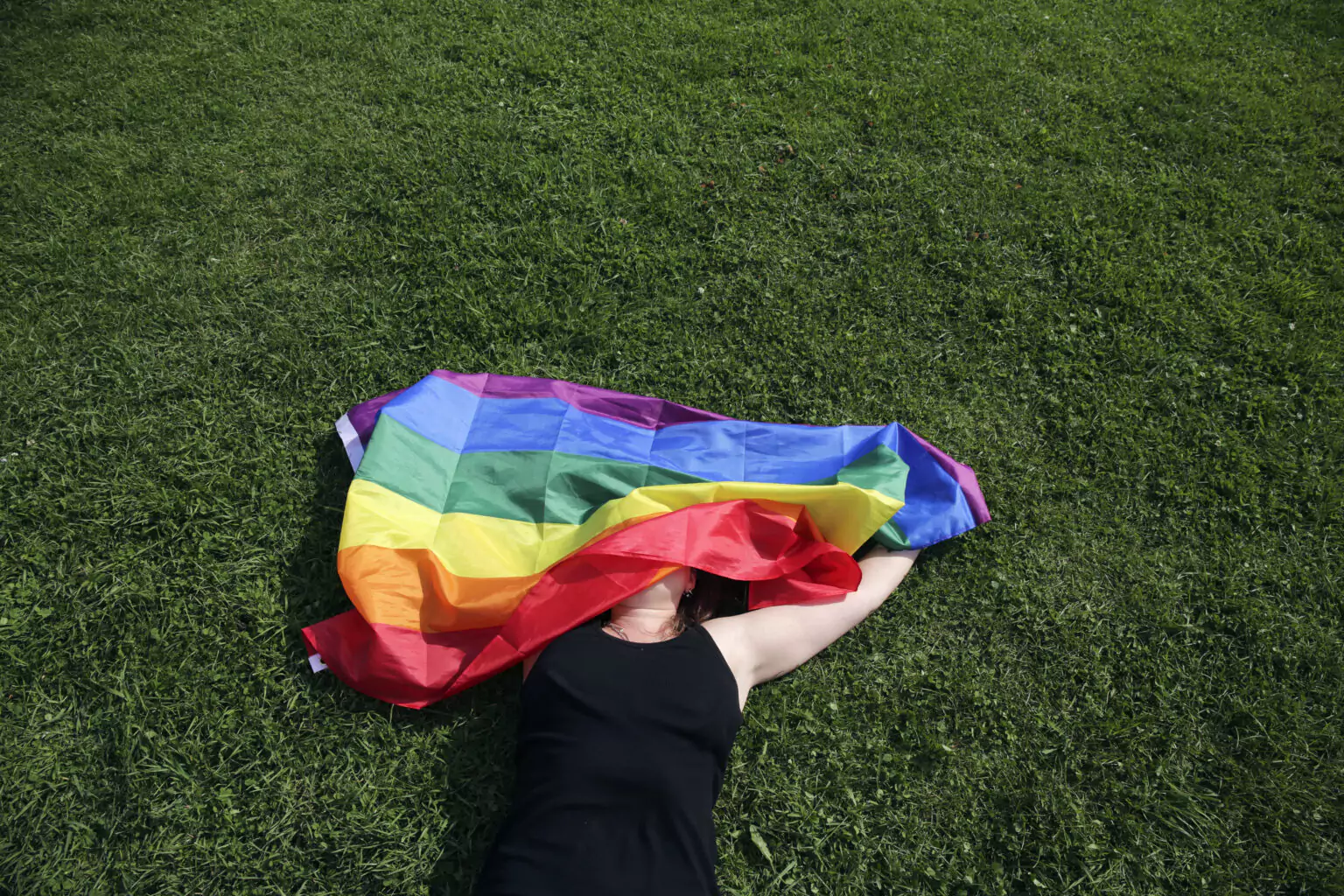
The modern LGBT community sometimes feels like an app: every few months there’s a new version, bugs get fixed, new identities are added, and some old wording is no longer supported. Users are strongly advised to update the dictionary immediately, otherwise there may be conflicts in the comments. Updates are installed automatically, and no one reads the changelog: yesterday you used a perfectly normal word, today it’s already offensive, and tomorrow you’ll have to post a public apology in Stories.
This looks especially funny for migrants. A person moves from a country where the word “gay” was only ever spoken at home, in a whisper, and preferably with the TV off, then learns German, tries to make sense of the paperwork, listens to a government employee explaining something for forty minutes in one sentence, and at the same time is supposed to master the latest vocabulary of Western activism.
I had only just learned to say “Ich bin schwul” without having an internal heart attack, and now I’m being told that the wording isn’t inclusive enough. Thanks. You really helped me adapt.
For many Russian-speaking men, the road to the word “gay” takes years: first you realize it won’t go away, then you hope it still might, then you search the internet for how to make it go away, then you realize the internet knows too much about you, you delete your browser history, then you open it again and only much later can you calmly say: “Yes, I’m gay.” Without tragic music in the background, without a pause, and without preparing a farewell speech. And at that moment, you absolutely don’t want to hear that you’ve finally accepted yourself, but did it using an outdated handbook.
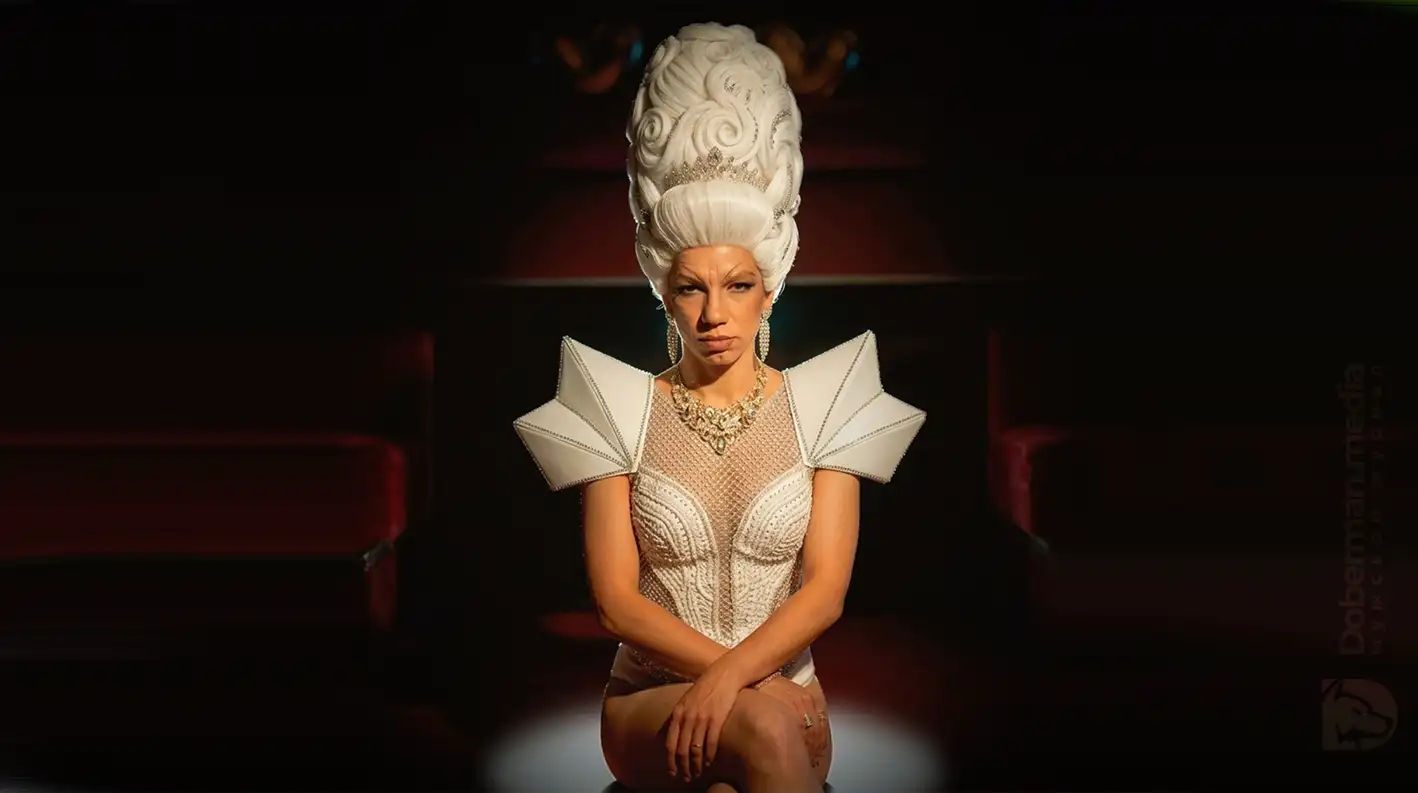
I’m not against new terms. I’m against a situation in which the language created to free people turns into yet another system of checks: did you name yourself correctly, did you name others correctly, did you use the right letters, did you mention all the groups, and did you accidentally forget anyone. Because if you forgot, maybe you’re no longer an ally, but quite literally a threat to the community’s existence. Sometimes it seems that to take part in a modern LGBT discussion, you no longer need personal experience, but a certificate.
Preferably with annual certification.
Freedom of identity should mean a person has the right to describe themselves in whatever way suits them. Not just the right to complicate things. But also the right not to complicate them.
Not everyone needs a seven-word construction to explain who they want by their side in the morning.
Some need just one.
I’m gay.
✦ This article is published as written by the author. The opinions, assessments, and conclusions expressed in the text are those of the author and may not reflect the position of the Doberman.media editorial board. The editorial board is not responsible for the author’s interpretations, statements, or conclusions.





0 comments
Enter your email — we’ll send you a one-time code. No passwords or accounts.
Code sent to
If the email doesn't appear in your inbox within a few minutes, check your spam, junk, or promotions folder, as some email services may mistakenly place automated messages there