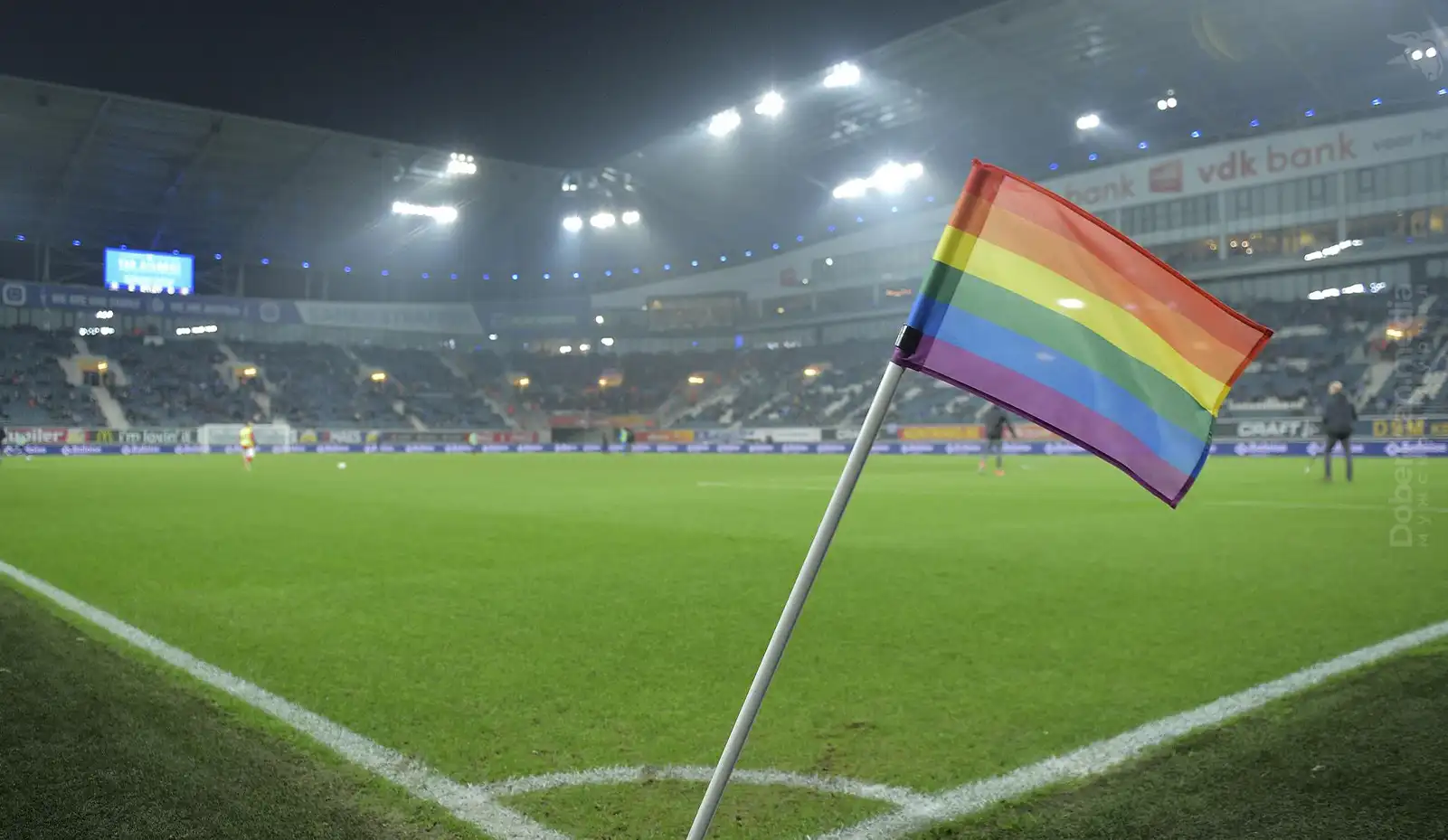

A major scandal is brewing at the World Cup in the United States: the group-stage match between the national teams of Iran and Egypt has been officially declared a “Pride Match” in support of the LGBT community. Both countries, where homosexuality is a criminal offense, have lodged strong protests, but FIFA has refused to back down.
Even before the draw, the Seattle Organizing Committee announced that the game scheduled for June 26 (the morning of June 27 Moscow time) would be dedicated to the LGBT community. After the teams were drawn, it became clear that Iran and Egypt would face off on that day in the third match of Group G.
Despite the status of the participating teams, FIFA has confirmed that the match format will remain unchanged. The organization cited the principles inclusivity and respect, which cannot be adapted to meet the requirements of individual states.
Why are Iran and Egypt opposed?
The soccer federations of both countries have sent official letters to FIFA. The arguments of both sides boil down to the following:
Cultural Values: The Egyptian Football Association stated that such events directly contradict their country's religious and cultural values.
Political implications: Mehdi Taj, president of the Iranian Football Federation, called FIFA's decision an "irrational move" that is supported only by a certain group of people.
Legislative barrier: In Egypt, same-sex relationships are prohibited, while in Iran they are punishable by capital punishment.
Iran also put forward a list of ten conditions for participating in the World Cup, including a strict ban on any display of LGBT symbols.
How exactly will the “Pride Match” take place?
The organizers in Seattle have no intention of abandoning their plans. The stadium will feature themed decorations, and fans are officially allowed to bring rainbow flags.
The main changes will also affect the players themselves:
- Team captains will be required to wear special captain's armbands.
- Themed imagery will be displayed before the game begins.
- Celebrations and exhibitions dedicated to LGBT history will take place throughout Seattle.
Eric Wall, a member of the Seattle Pride Match advisory committee, emphasized that these events are part of the local culture, which visiting teams should respect. “Having Pride flags in the stadium is typical for Seattle,” he added.
Why does this look like a change in FIFA's policy?
The situation in Seattle stands in stark contrast to what happened at the 2022 World Cup in Qatar. At that time, FIFA, on the contrary, prohibited players (specifically those on the England and Wales national teams) from wearing armbands OneLove, threatening to issue yellow cards for such behavior. In Qatar, as in the countries currently involved in the conflict, same-sex marriages and relationships are prohibited by law.
Now, however, human rights activists and organizers point out that while Western teams were asked to “respect local culture” in Qatar, in 2026 a similar demand is being made of Iran and Egypt with regard to U.S. culture.







0 comments
Enter your email — we’ll send you a one-time code. No passwords or accounts.
Code sent to
If the email doesn't appear in your inbox within a few minutes, check your spam, junk, or promotions folder, as some email services may mistakenly place automated messages there