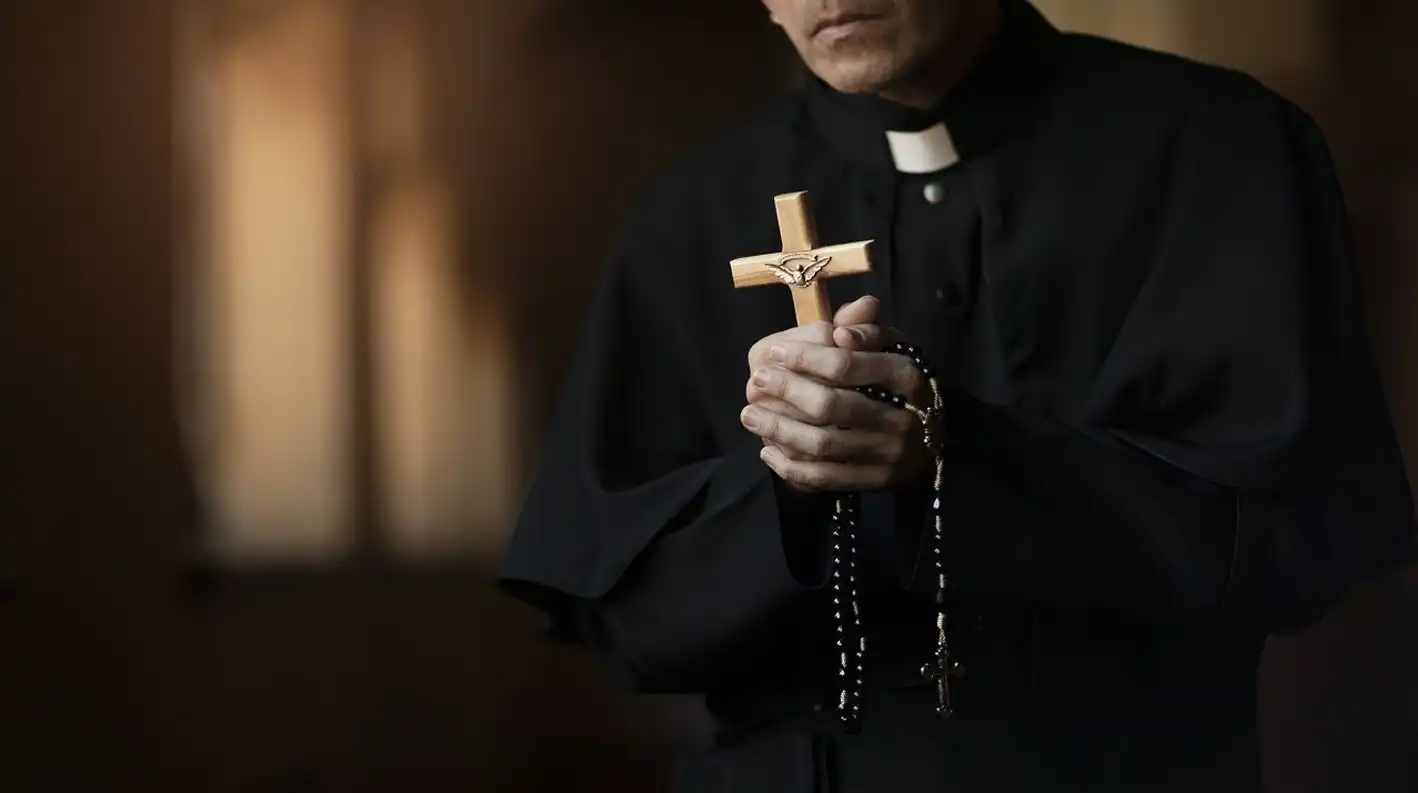

Professor of Religious Studies at Elon University Andrew Monteith published a study based on a unique find in the archives of the Chicago Historical Society. Initially, the scientist was looking for materials related to eugenics, but found in the files of the Institute of Juvenile Psychopathy almost 150 pages of an autobiographical text written around 1930 by an inmate of Pontiac prison named "Henry".
In these notes, Henry describes his life in detail and, in particular, his experiences polyamorous marriage with two other boys at an elite Christian boarding school in the 1920s.
Table of Contents
Who was the author of these recordings?
Henry was an ordinary young man from Chicago whose strict religious parents, noticing his inclinations, sent him to Todd Seminary for boys in Woodstock, Illinois. They hoped that the closed men's institution would help "correct" his orientation.
In the late 1920s, when homosexuality was illegal in the United States, Chicago police conducted large-scale raids against gays. Henry became a victim of one of these raids, after which he ended up in prison, where he wrote his confession.
What did queer marriage look like in the 1920s?
According to Monteith's study published in the journal QTR: Trans and Queer Studies in Religion, in boarding school, Henry entered into a romantic union with two students, "Will" and "Junior".
It was a serious ritual. Despite the young age of the participants, they treated the union as responsibly as possible. The teenagers created a homemade marriage certificate, in which the names of all three were inscribed. The researcher notes that it was a full-fledged polyamorous "triad", although Junior's role in this relationship was rather asexual.
Why is this discovery important for historians?
Andrew Monteith highlights several paradoxical points in this story. Although Henry's parents considered school a place of re-education, the same-sex environment (as in the case of prisons) often became a place for the formation of deep queer relationships.
Ironically, for Henry, the rigidly structured environment of a Christian school turned out to be a more suitable place for love than the "free" but dangerous and chaotic world of the underground queer community of Chicago at the time.
The historian insists that the boys' wedding ritual cannot be considered just satire or a game. For them, it was a way to validate their feelings and determine the boundaries of their union.
Tragic ending
Henry's story did not end with a happy ending. The marriage broke up immediately after graduation from school, as the graduates went in different directions. In his notes, Henry admitted that he could not find anything similar in later life.
Imprisonment caused him severe psychological trauma. In his autobiography, Henry is torn between defending his marriage as a "beautiful" experience and wanting to undergo "conversion therapy" in a mental hospital. After his release from prison, Henry led a heteronormative lifestyle: he married a woman and raised several children.







0 comments
Enter your email — we’ll send you a one-time code. No passwords or accounts.
Code sent to
If the email doesn't appear in your inbox within a few minutes, check your spam, junk, or promotions folder, as some email services may mistakenly place automated messages there