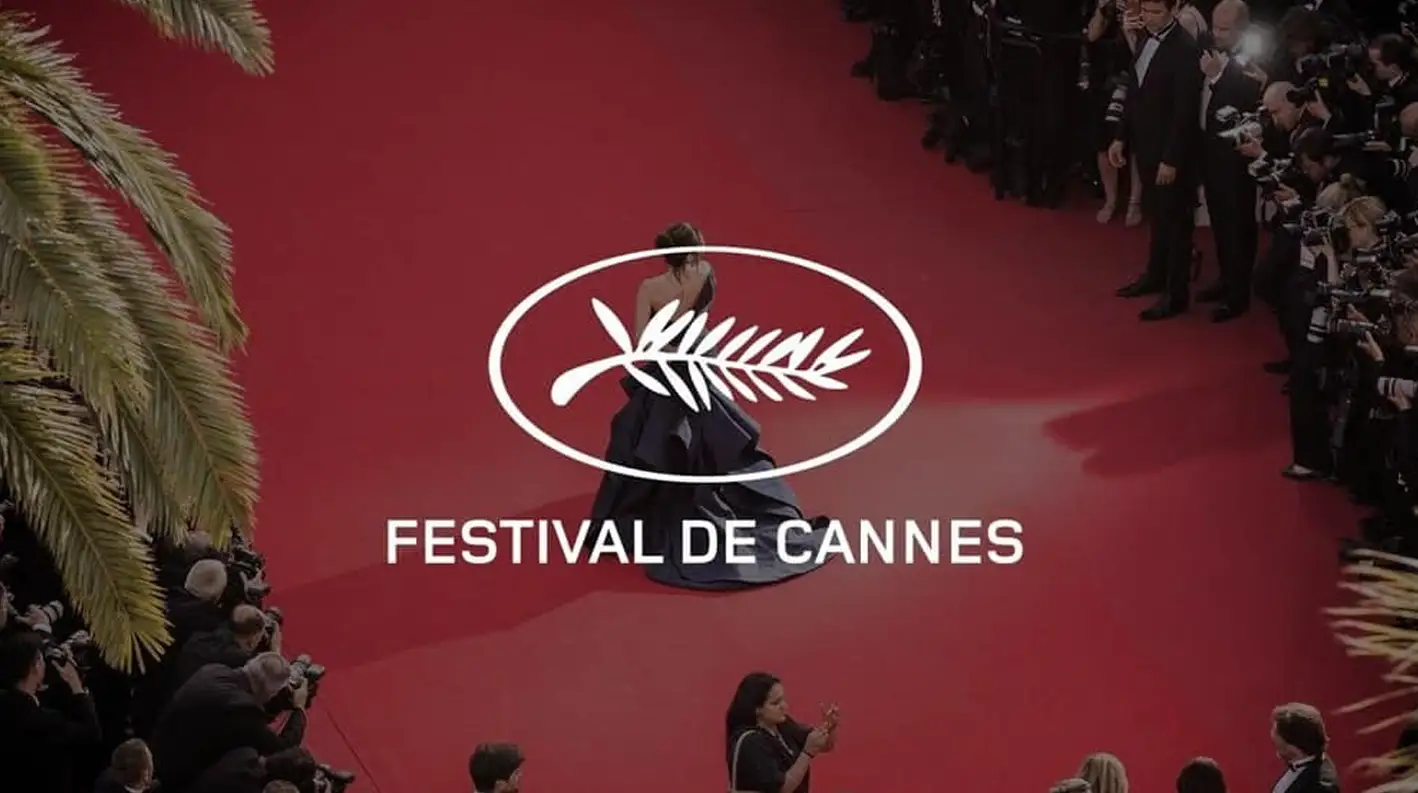

The 79th film festival has ended in Cannes. Despite criticism of the program, which was called behind the scenes "the weakest and most boring" in recent years due to the lack of American blockbusters and the dominance of French dramas, the festival will be remembered for several important statements.
We tell you the main things about the distribution of prizes and the main topics of the show.
Who won? In the final race, the Romanian director Cristian Mungiu with the film Fjord beat Andrey Zvyagintsev's The Minotaur, taking the second Palme d'Or in his career.
- What the film is about: Fjord is based on the true story of the Bodnariu family, whose children were seized by Norwegian authorities in 2015 on suspicion of abuse.
- Why it matters: Mungiu explores the clash of ideologies and the question of whether a minority can be oppressed, regardless of its values. Critics note that the film is technically flawless, but because of its subject matter, it risks becoming a tool in the hands of conservative populists.
Grand Prix: the return of Andrey Zvyagintsev
The second most important prize was awarded to Andrey Zvyagintsev per painting "Minotaur". For the director, this was a triumphant return to the profession after a serious illness.
The film became an extremely unambiguous statement about the Russian-Ukrainian war. At the award ceremony, Zvyagintsev directly appealed to the Russian leadership to stop hostilities, and in his interviews he stressed that art today can only speak the language of humanism, ethics and beauty, when world institutions (such as the UN) are powerless.
Main trends: war and 🏳️ 🌈 queer cinema
This year's program clearly reflected world processes. Of the 22 films in the main competition, six were about the war, and eight were about the stories of queer people.
Queer mainstream: LGBT issues have finally ceased to be a marginal challenge. The Queer Palm prize went to Jane Schönbrunn's Teenage Sex and Death at Camp Miasma, and a Spanish historical epic about gay poet García Lorca "Black Ball" shared the prize for directing.
Escapism through the past: Most war films (e.g. Pawlikowski's Fatherland or Lukas Dont's Coward) deal with the events of the First and Second World Wars. This is an attempt to draw parallels with modernity, staying in a zone where the parties to the conflict are already historically defined.
What else should you pay attention to?
- "Suddenly" by Ryusuke Hamaguchi: A three-hour drama about life, death and capitalism, which won prizes for the best actress and actor. According to some critics, this particular picture was worthy of the main prize.
- "Dreamed Adventure" by Valeska Grisebach: A leisurely thriller about the Bulgarian mafia and archeology, which won the Jury Prize.
- "A man of his time" by Emmanuel Marre: The best scenario about the process of Nazification of France, raising uncomfortable questions of national history.
Despite the French dominance in the program (16 of the 22 films in the competition were produced by France), the jury, led by Park Chan-wook and Demi Moore, selected the most worthy and relevant winners, recording the triumph of ethical cinema over the purely aesthetic.






0 comments
Enter your email — we’ll send you a one-time code. No passwords or accounts.
Code sent to
If the email doesn't appear in your inbox within a few minutes, check your spam, junk, or promotions folder, as some email services may mistakenly place automated messages there