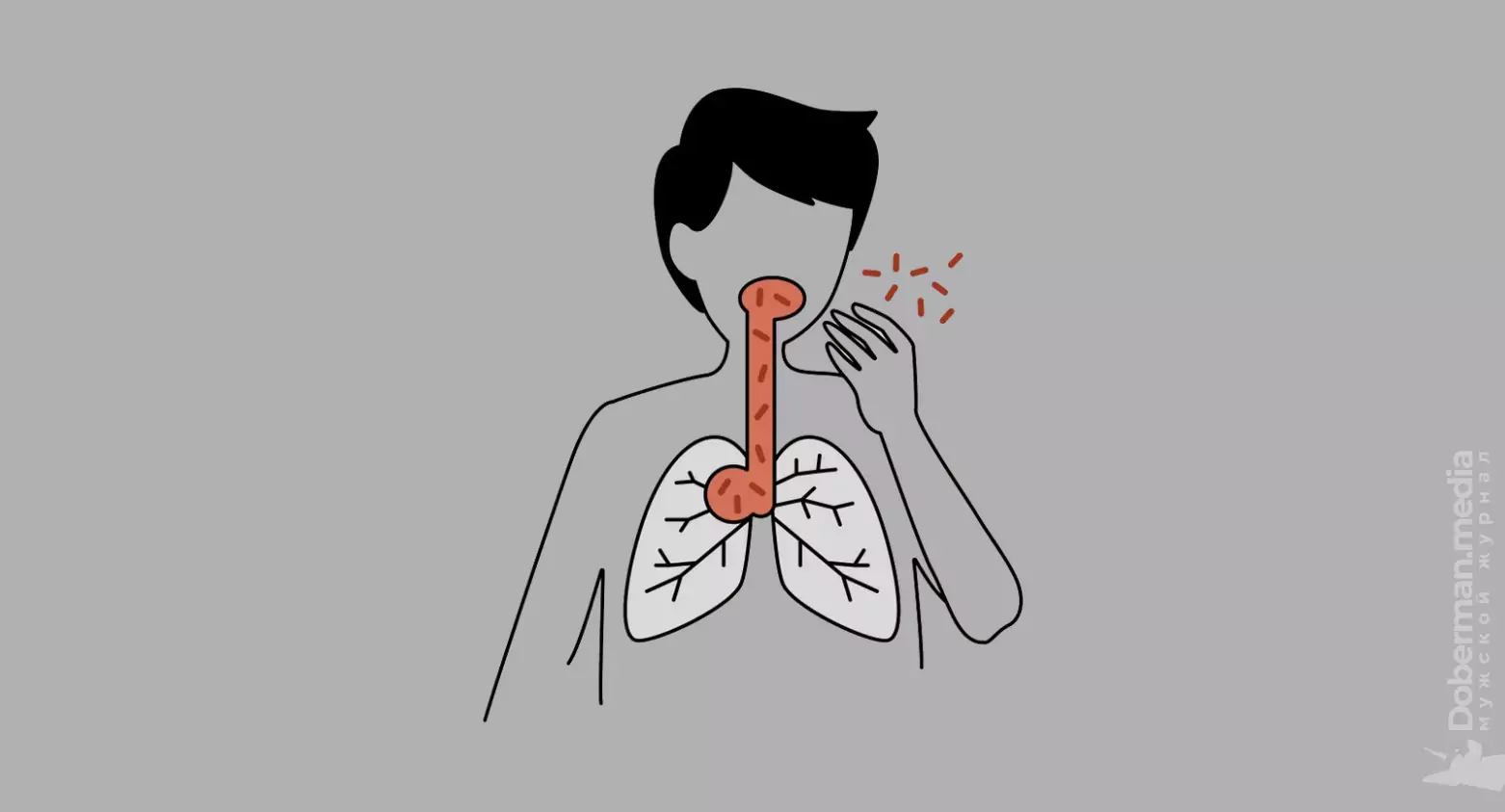

Background. In early January 2025, an outbreak of human metapneumovirus (hMPV) was reported in China. As of January 5, approximately 28,000 cases had been reported, primarily among children under the age of 14, particularly in the country’s northern provinces. Also It became known, that A metapneumovirus that affects the lungs has reached Kazakhstan — has already been recorded more than 30 cases of infection.
Deadly Metapneumovirus: What You Need to Know Right Now (In Brief)
We've gathered all the key information about the so-called "new deadly virus"—and Let's put your mind at ease right away: there's no reason to panic.
Here is the complete timeline of events and the actual state of affairs:
The events begin: Chinese authorities have launched a new system to monitor cases of pneumonia of unknown origin. A seasonal outbreak of acute respiratory viral infections was expected, and that is exactly what happened.
The Situation in China: Hospitals have been overwhelmed by an influx of patients due to a rise in the number of illnesses, including the flu and metapneumovirus (hMPV). The latter has been the focus of intense media attention.
Media frenzy: Journalists emphasized that there is no specific treatment for hMPV. This gave rise to rumors about a “new deadly virus from China.”
The reality is that hMPV is far from new. This virus has been known for decades, and cases Cases of the disease are reported annually around the world. The most recent outbreaks occurred two years ago, including a large-scale outbreak in the United States.
The Situation in Kazakhstan: The country's Ministry of Health reported that 30 cases seasonal metapneumovirus since October, which amounts to only 1,6% of all confirmed cases of acute respiratory viral infection. However, Telegram channels portrayed this as “the killer virus from China has reached Kazakhstan.”
Facts, not hype: hMPV is one of the many causes of seasonal acute respiratory viral infections. For most people, this virus is no more dangerous than the common cold. Children, the elderly, and people with weakened immune systems are most vulnerable.
What You Need to Know:
- Metapneumovirus is a seasonal virus, not a new threat
- Outbreaks of disease during the winter months are a common occurrence
- To reduce the risk of infection, wash your hands, avoid large gatherings, and boost your immune system
- Incubation period. Usually 3 to 6 days.
There's no need to worry: the situation is under control, and the precautions are the same as for any seasonal infection
Read on for more details:
What is "Metapneumovirus"?
Human metapneumovirus (HMPV, Human metapneumovirus) — is a virus that causes respiratory infections. The virus belongs to the family Paramyxoviridae and was first described in 2001 in the Netherlands. Although it was discovered relatively recently, studies have shown that the virus has existed and circulated among humans for several decades. The virus is divided into two main genetic subtypes: A and B, each of which has two additional subtypes (A1, A2, B1, B2).
HMPV is an RNA virus with a single-stranded, negative-sense genome, which makes it similar to the respiratory syncytial virus (RSV).

How is the virus transmitted?
The virus spreads through close contact with an infected person, through airborne droplets, and through contact with contaminated surfaces (such as doorknobs).
It is also likely that people without symptoms can spread the virus, just as with COVID-19.
What are the symptoms of human metapneumovirus (HMPV)?
The virus causes symptoms that resemble COVID-19 and the flu, with lung involvement, acute pneumonia and bronchiolitis. HMPV can cause a variety of respiratory illnesses—ranging from mild cases to more serious infections. Symptoms include:
- runny nose;
- cough;
- fever;
- hoarseness;
- sore throat;
- In severely ill patients: wheezing, shortness of breath, bronchiolitis, pneumonia, and respiratory failure.
The virus is particularly dangerous for infants, the elderly, and people with weakened immune systems.
Diagnostic tests (enzyme-linked immunosorbent assay (ELISA)) are used to detect antibodies and identify a current or past infection.
Treatment of HMPV
At this time There are no vaccines against HMPV, but development is underway. There is NO treatment as such, since it is a viral infection, and most cases resolve on their own. Doctors prescribe symptomatic treatment:
- antipyretics (such as acetaminophen or ibuprofen);
- anti-edema medications;
- Drinking plenty of fluids.
In severe cases, hospitalization and supportive care (oxygen, mechanical ventilation if necessary).
Doctors in mainland China note that the mortality rate caused by metapneumovirus reaches 43%, reported The Taiwanese publication Money UDN. If the epidemic spreads to the mainland, Taiwan must be on full alert, the publication emphasizes.
Who should be concerned?
Parents of young children.
- Children under 5 years of age, especially infants, are at risk of developing severe forms of infection, such as bronchiolitis and pneumonia.
- If your child is short of breath, has a high fever that won't go away, or is having serious trouble breathing, be sure to see a doctor.
Older adults (65 years of age and older) and people with chronic illnesses.
- Older adults, as well as those with chronic respiratory or cardiovascular conditions, are also more prone to complications.
People with weakened immune systems.
- These may include cancer patients, organ transplant recipients, or people with HIV. The virus tends to cause more severe illness in these individuals.
If you are a healthy adult, the likelihood of developing a severe form of the disease is minimal. In most cases, the symptoms of metapneumovirus resemble those of a common cold or the flu: a mild cough, runny nose, and nasal congestion. These symptoms resolve within 5–10 days without any specific treatment.
How can I protect myself?
A person coughs—and droplets of mucus land on another person’s mucous membranes. But the virus can also be transmitted through contaminated objects: first, a sick person who has rubbed their nose touches a handrail, and then a healthy person touches that same handrail and subsequently touches their face. There are a few simple rules that will help protect you from those around you—and protect those around you from you, if you’re an asymptomatic carrier of the virus:
- Wash your hands often.
- If possible, avoid using public transportation during rush hour.
- Avoid crowded places if there are outbreaks. This is especially important for families with children and older adults.
- Ventilate the room.
- Disinfect surfaces that are touched by different people (such as tables and doorknobs).
- Don't touch your face with dirty hands.
- Wash your hands.
The following are NOT considered effective or recommended treatments for acute respiratory viral infections (ARVI) or any other infection (including HMPV):
- zinc (which also causes unwanted side effects such as nausea);
- onion;
- garlic;
- antibiotics (they fight bacteria, not viruses);
- alcohol;
- smoking;
- antiviral drugs (these are still being studied);
When should you see a doctor?
- Severe cough, shortness of breath.
- A high fever that lasts for more than 3 days.
- Wheezing (especially in children).
- Severe weakness or dehydration.
How is it different from other viruses?
hMPV is similar to respiratory syncytial virus (RSV) in terms of symptoms and consequences, but it is less common. For most people, it is less contagious and causes milder forms of illness than the flu.
Should we wear masks?
You don't need masks—they are only necessary for healthcare workers and people who care for patients at home. The European Center for Disease Prevention and Control believes it is inappropriate to wear masks in other situations: when supplies are scarce, they are not available to those who truly need them.

In addition, wearing a mask can give a person a false sense of security, causing them to neglect other preventive measures.
There are no official recommendations to wear masks “just in case” to avoid infecting others—but there is indeed a shortage.

Remember to keep a supply of medications at home that might come in handy if you develop a respiratory infection (whether it's a viral respiratory infection or something else), as well as a thermometer and tissues. It's especially important to restock your supply of medications if you take any prescription drugs on a regular basis.
General conclusion. Only those in high-risk groups or those with severe cases of the infection should be concerned. For most people, metapneumovirus is a temporary illness that resolves on its own. The key is not to ignore symptoms in children and the elderly and to follow basic preventive measures.








0 comments
Enter your email — we’ll send you a one-time code. No passwords or accounts.
Code sent to
If the email doesn't appear in your inbox within a few minutes, check your spam, junk, or promotions folder, as some email services may mistakenly place automated messages there