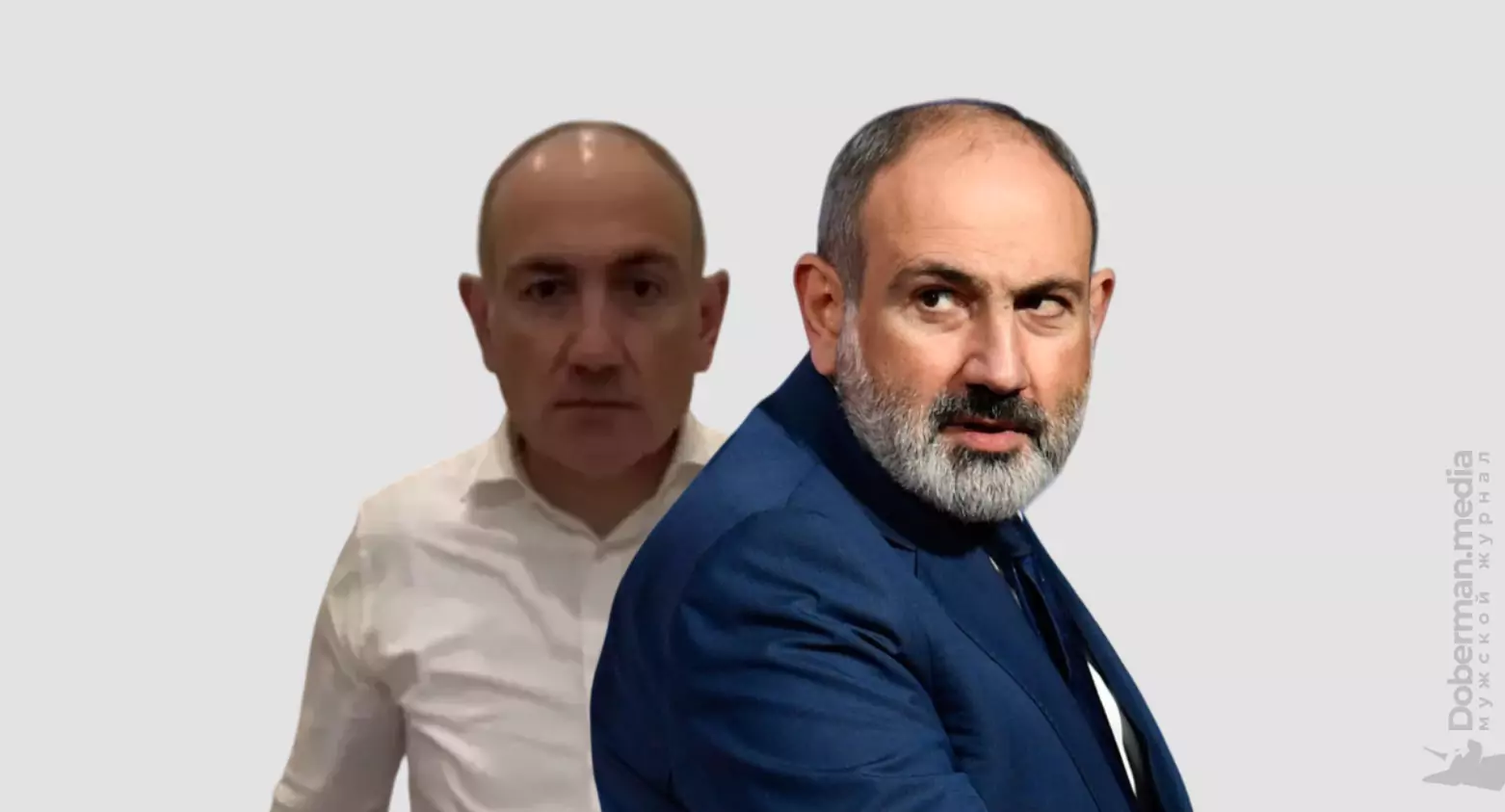
Prime Minister of Armenia Nikol Pashinyan decided to change his image and shaved off the beard he had grown during the revolution in 2018 (в результате этой революции он стал премьер-министром страны). The politician published a video of a sharp and radical change in image on social networks, but did not explain it in any way.
Doberman.media is already wrote...that this move represents a significant change in Pashinyan's image, since his beard was an integral part of his public persona and style.
Judging by the comments on the Internet, the reaction to shaving the beard has become ambiguous. Some took it positively, others negatively. The success of this step will depend on the further reaction of the media (primarily social networks) and, of course, on how Pashinyan himself will explain his decision.
In this article, we decided to figure out how the personal image of a politician can affect the perception of his leadership and the attitude towards him in society. In the case of Nikol Pashinyan, even such a seemingly insignificant touch as the absence of the usual beard could lead to interesting political changes. Doberman.media will try to understand whether a change in the leader's appearance can attract new supporters, changing the perception of his image towards a more "modern" and "European" one, and how such transformations can affect politics.
The political image is destroyed
Pashinyan's beard clearly contributed to the creation of the image of a strong, confident and decisive leader. She gave the impression of maturity, seriousness and wisdom. In our opinion, the Prime Minister of Armenia has now lost a certain charisma and seriousness, and without a beard, he looks much younger, softer and less strict, which may affect the perception of his image as a leader.


Pashinyan is widely remembered as a bearded Armenian who became head of government in 2018 after mass protests known as the "Velvet Revolution" against the ruling elite, and has since been repeatedly re-elected. Thick facial hair contributed to this, giving a stern appearance. Also, a beard is subconsciously associated with high testosterone levels, which can play an important role in political games.
Also, the prime minister, most likely, lost (along with the beard) the association with reliability and masculinity that are attributed to bearded men (This is evidenced by numerous studies about bearded men), which could have a positive effect on the level of confidence in him as a politician.
What could be the hypothetical scenario for Nikol Pashinyan shaving his beard?
By shaving off his beard, Pashinyan risks losing part of the image of a strong, “man of the people” leader that may be contributing to his popularity. His new look could be perceived as “softer” and less authoritative.
A beard is often perceived as a symbol of maturity and reliability. Shaving off the beard may cause part of the electorate to doubt Pashinyan's experience and competence. It is also worth remembering that his activities as prime minister have previously caused a number of controversy, especially against the backdrop of the conflicts in Nagorno-Karabakh, where his position caused controversy in Armenian society.
A change of image and a turn to the European Union?
The new image could attract new supporters—those who previously did not see Pashinyan as their leader. A more “modern” and “European” image might appeal to a certain segment of society, which could also signal Armenia’s shift toward the European Union.
We consider it important to note that a change in image in itself is not a guarantee of a change in the country's foreign policy. We understand that foreign policy is formed under the influence of many factors, including geopolitical interests, economic ties, and the domestic political situation.
But the connection between the image of a leader and foreign policy can be indirect. Pashinyan’s more “European” image could help improve Armenia’s image in the eyes of its European partners and create a more favorable atmosphere for dialogue. This, in turn, could indirectly influence foreign policy decisions.
And one more thing. For young people and the urban middle class, who may appreciate a lighter and more progressive appearance, the absence of a beard can be a kind of signal of openness and flexibility.
This is just our hypothetical reasoning based on information about how the beard is perceived in society. It should be noted that the perception of a political leader depends on many factors, and the beard is only one of them.




0 comments
Enter your email — we’ll send you a one-time code. No passwords or accounts.
Code sent to
If the email doesn't appear in your inbox within a few minutes, check your spam, junk, or promotions folder, as some email services may mistakenly place automated messages there