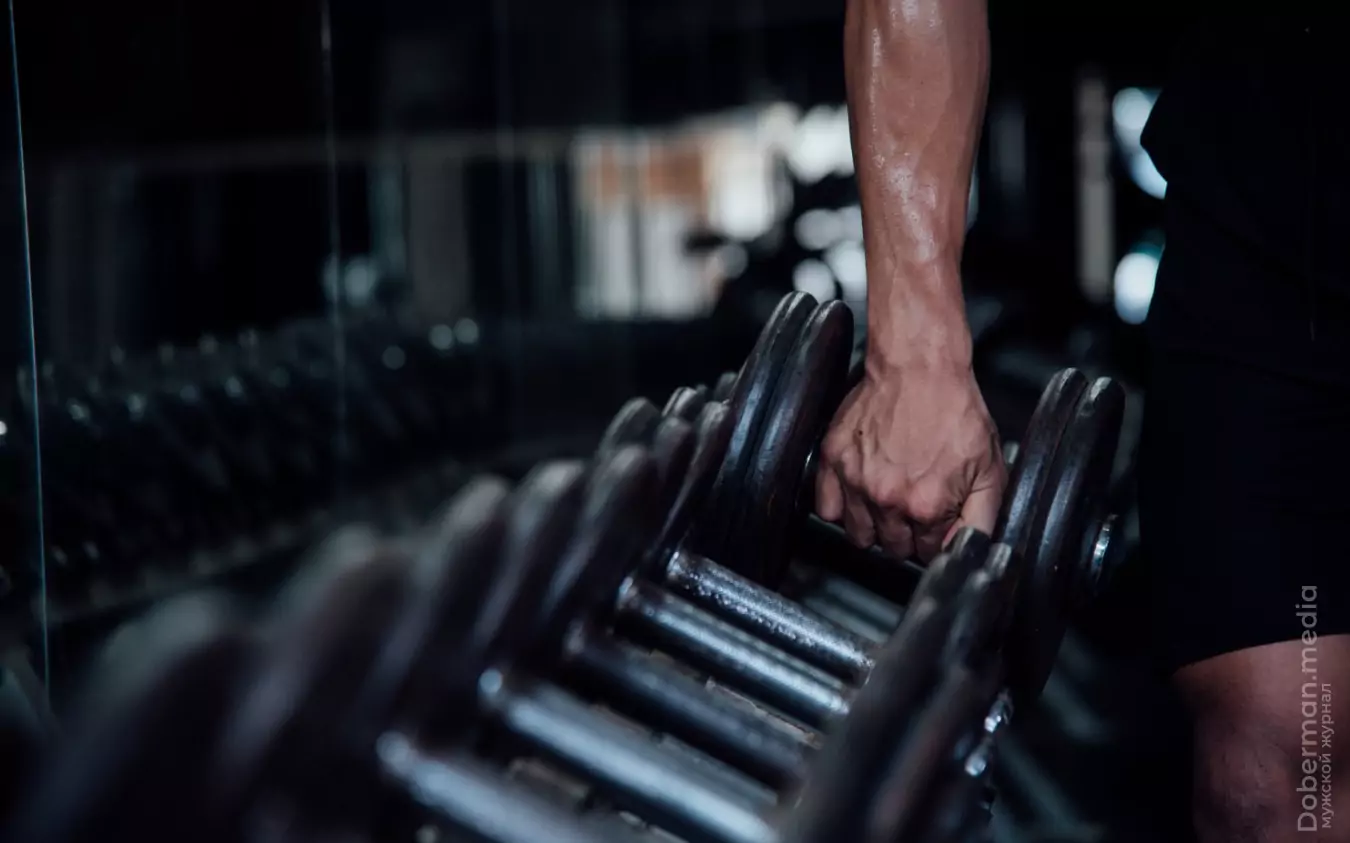

Let's figure out how to understand that it's time to increase the weight of barbells, dumbbells and kettlebells in order to achieve better results.
Introduction
The correct timing of the increase in working weight in training is a key factor that affects progress, motivation, results and the prevention of stagnation in the development of sports skills. Whether you're into bodybuilding, power triathlon, or fitness to keep fit, understanding when and how to increase weight will help you get the most out of your workouts.
Signs that it's time to gain weight
- Technically correct performance of exercises:
If you perform exercises with perfect technique and at the same time feel that the effort does not cause you difficulties, this is the first signal that you can increase weight. Proper technique is the foundation of safety and performance, so make sure your form stays flawless even at a new, heavier weight. - Ease of performing a set number of repetitions:
If you're having no trouble doing all the reps in a set and feel like you could do a few more, it's likely that your current weight isn't enough for you. For example, if you're doing 3 sets of 10 repetitions, and you don't have to put in the most effort to complete the last set, then it's time to increase the weight. - Lack of progress in strength performance:
If your strength stats stay at the same level for several weeks, this may indicate the need for weight gain. The body gets used to the load, and for further growth, it is necessary to create a new stimulus in the form of more weight. - No muscle fatigue or pain:
With the right workouts, you should feel moderate muscle fatigue and mild muscle soreness after exercising. If this does not happen, the weight may be too light.
How to gain weight correctly
- Gradual increase:
Увеличивайте вес постепенно. Резкое увеличение может привести к травмам или перегрузке мышц. Оптимально увеличивать вес на 2-5% от текущего. Например, если вы жмёте 50 кг на жиме лежа, попробуйте добавить 1-2,5 кг с каждой стороны. - Listen to your body:
Gradually increase your weight and carefully monitor your body's reaction. If you feel discomfort or pain (not to be confused with normal muscle fatigue), reduce your weight and pay attention to your exercise technique. - Use progressive overload:
Progressive overload is a method of increasing load to continuously stimulate muscle growth and strength. This can be an increase in weight, the number of repetitions, sets, or a decrease in rest time between sets.
The importance of weight gain for motivation and results
Preventing stagnation:
Monotony in training can lead to a plateau - a state when progress stops. Weight gain is one way to overcome this stagnation and stimulate further development.
Increase motivation:
Visible results and a feeling of strength motivate you to continue training. Weight gain allows you to see progress, which has a positive effect on motivation.
Achieving better results:
A regular increase in load helps to improve strength, build muscle mass and increase overall physical fitness.
Increasing the weight of barbells, dumbbells and kettlebells is an integral part of an effective workout. It's important to keep a close eye on your body, exercise technique, and progress so you know when it's time to step up. The right approach to weight gain will help you avoid injuries, stay motivated, and achieve the desired results. Remember that success in training depends on consistency, patience and a reasonable approach to loads.








0 comments
Enter your email — we’ll send you a one-time code. No passwords or accounts.
Code sent to
If the email doesn't appear in your inbox within a few minutes, check your spam, junk, or promotions folder, as some email services may mistakenly place automated messages there