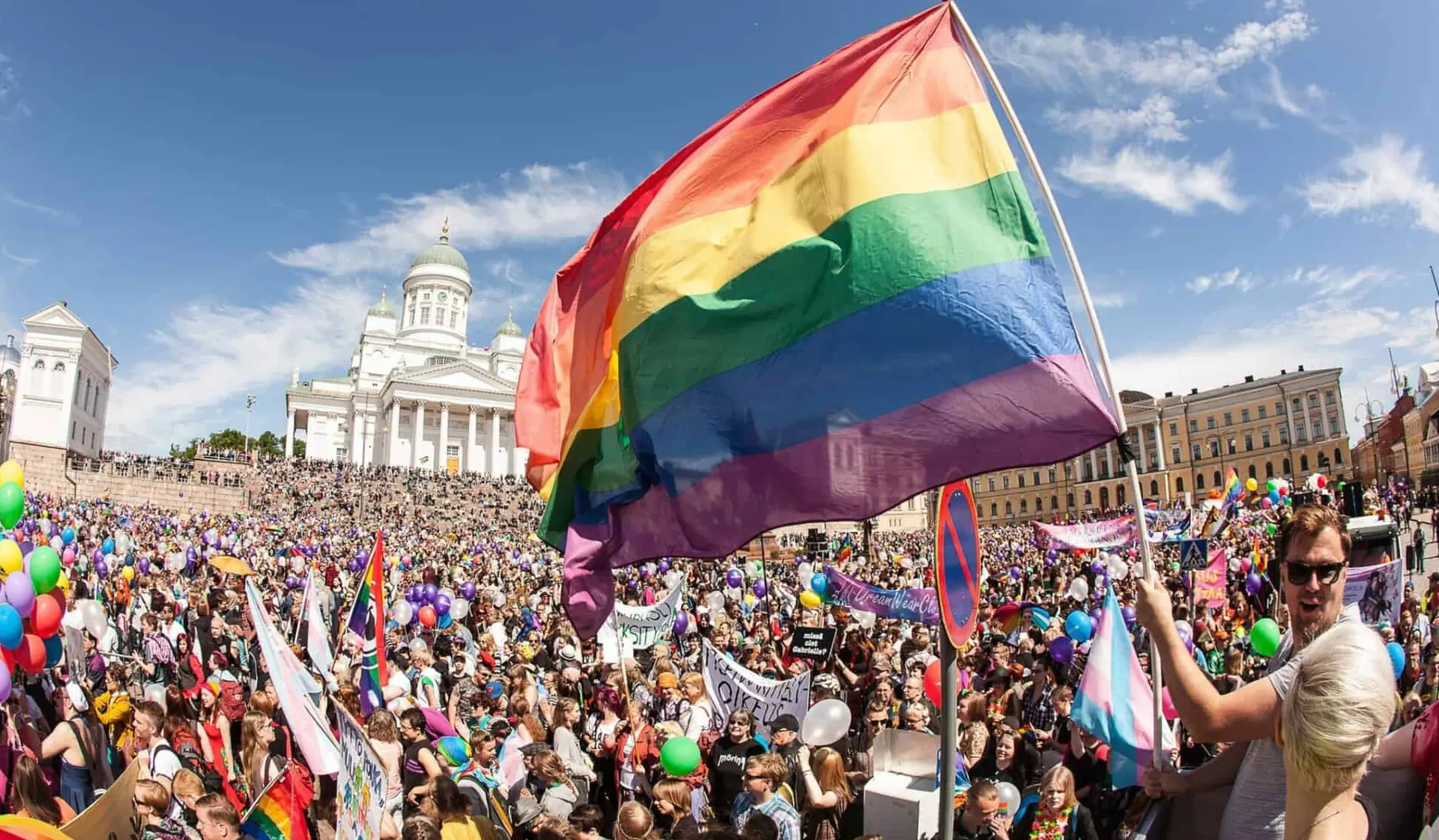

It is fascinating to see how the gay community's subculture is changing. Not so long ago, it was a freedom movement infused with a spirit of rebellion and underground culture. Today, gay men are discussing entirely different topics—and that is what this article is about.
Same-sex relations were decriminalized in Finland in 1971. Before then, the authorities kept the community under close surveillance. Sex between men gained new momentum in Finland during World War II, and relationships that began on the front continued in peacetime. Helsinki is steeped in these stories. Despite all the prohibitions and raids, same-sex intimacy was part of everyday life in the Finnish capital.
Once criminal prosecution ended in Finland, the struggle to normalize same-sex relations in society began. This was a difficult task, as the law still contained a provision banning the promotion of homosexuality, which, incidentally, was not repealed until 1999. To foster public discussion, Finland's first gay rights organization, Psyke ry., was founded in 1969, followed in 1974 by the umbrella organization SETA ry., which is familiar to many today.
Talking to people from that generation makes it clear that gay culture was very different from what it is today. In those years, the struggle centered specifically on legalization and defending the right to same-sex relations. Today, the Helsinki Gay Walk offers an insight into the history of oppression and the arrival of freedom. Its route passes through the places where people gathered when homosexuality was still considered both a crime and an illness, while also revealing fascinating details about everyday life at the time. The tour also explores the lives of two legendary Finnish LGBTQ figures: the world-famous artist Tom of Finland (Touko Laaksonen) and Tove Jansson, creator of the Moomins.
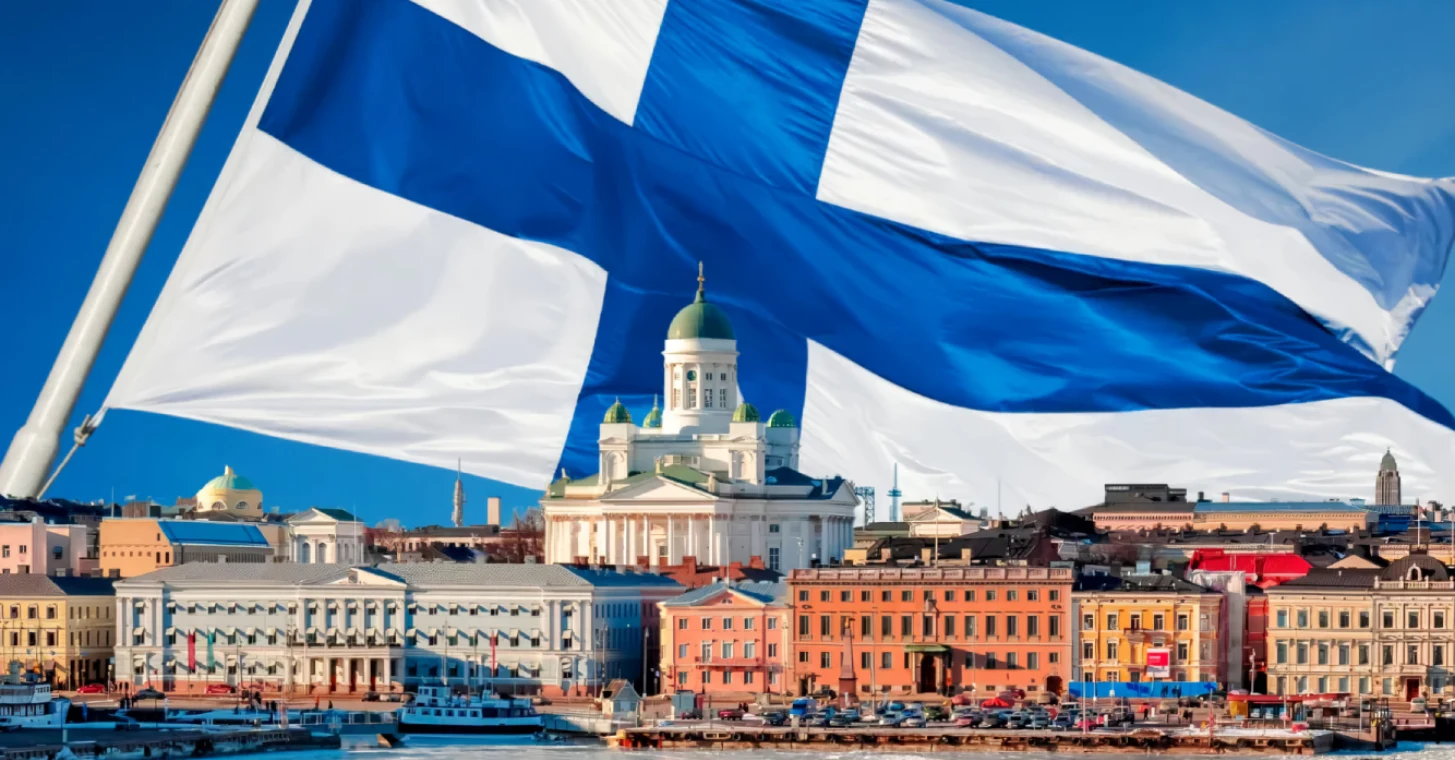
Helsinki's open gay bar and club scene began to develop in the 1990s. Before then, gay men and lesbians gathered in discreet venues hidden from prying eyes and without conspicuous signs. The turning point came in 1992, when H2O opened as the first gay bar with large panoramic windows and an open terrace facing directly onto a busy street. Other establishments soon followed.
Today, the Finnish capital has a venue to suit every taste. Mann’s Street is a popular karaoke bar in the city center that has been open since 1998, where guests can sing their favorite songs in relaxed male company or simply spend the evening over a beer. On Bulevardi is the cozy and welcoming Room Blvd, also known as Room Bulevard, which is ideal for a quiet conversation over a glass of wine or a cocktail. The city is also home to Hercules Gay Nightclub, one of the best-known and largest gay clubs since 2000, offering a classic nightlife atmosphere, a large dance floor, DJs, dance music, and themed shows.
Keltainen Ruusu (“Yellow Rose”), which opened in 1996 and remains in business today, holds a special place in the history of Finland's LGBTQ+ community. Originally conceived as a traditional adult store, the venue eventually expanded to include an extensive back area measuring approximately 400 square meters. This private area features individual booths and lounges for viewing erotic content. Over time, the space became an important part of cruising culture and the history of sexual minorities in the Finnish capital.
Today, Helsinki has a vibrant LGBT+ community, information about which can be find on the City of Helsinki website.
But let us return to the subject at hand. With the arrival of greater freedom, Helsinki became a new home for many gay men born far from the capital. Prejudice and conservative religious influence still prevailed in the provinces. According to eyewitnesses, life in a small town or village was difficult: everyone knew everything about everyone. This forced many to remain closeted, suffering from the burden of being “the only gay man in the village.” Helsinki was full of gay men eager to explore their sexuality, and moving to the capital opened up a wealth of opportunities.
Everything changed in the summer of 1983, when Finland recorded its first case of HIV. Due to a lack of information and sensationalist tabloid headlines, the disease came to be known as the gay plague. This subjected gay men to intense pressure, fueled growing intolerance of sex between men, and led to bomb threats and attacks on the offices of the organization SETA. According to eyewitnesses, this forced many people back into the shadows and made them more cautious in their sexual practices.
In all likelihood, it was this epidemic that changed the course of the gay community’s development. A free sex life gave way to concepts such as “a steady sexual partner” and “safe sex.” These ideas sound commonplace today, but at the time, to people who had only recently gained sexual freedom, they felt like an imposed change—a condition of survival. The turning point came in 1996, when a three-drug combination therapy entered medical practice, transforming a fatal diagnosis into a manageable chronic condition and putting an end to mass deaths from AIDS. However, by then it could no longer halt the transformation already under way within gay subculture.
In the early 2000s, books on healthy gay sexual practices began to be published in Finland, while the press started reporting stories of young people whose experiences of sex in Helsinki had been far from positive. Against this backdrop, discussions began about whether same-sex relationships should be legally recognized. Finland’s Registered Partnership Act came into force in 2002, and fifteen years later, on March 1, 2017, the country took the next step: the Marriage Equality Act came into force after Parliament had voted in favor of it back in December 2014, thanks to a historic citizens’ initiative.
The early 2000s marked the beginning of a new era. The once-rebellious segment of the population that had fought for sexual freedom and open gay relationships shifted toward preserving the traditions of marriage. While casual sex was becoming increasingly popular in society at large, a movement emerged within the gay community to fight for the right to start families and adopt children. This change was truly revolutionary.
Today, when we visit LGBTQ+ forums and discussion platforms, we see that sexual freedom is giving way to questions about sexual violence in the gay community, as well as what is acceptable and where the boundaries lie when it comes to sexual behavior among gay men.
This shift has also become noticeable in Helsinki’s gay nightlife. Gay bars are no longer primarily places to meet someone and have sex after a couple of beers, but rather spaces for socializing with familiar faces after work. Most gay men now live with their partners and have no interest in the gay nightlife scene at all; instead, they focus on work, health and family life, with some also raising children. Finding a sexual partner no longer requires going to a park or gay bar—there are now other ways to do so. Society is becoming increasingly open, and the threshold for meeting someone and starting a gay relationship has become very low.
As for gay sexual practices and open relationships, they still exist. It all depends on openness and desire. Despite all the changes and the emergence of some controversy within the LGBTQ+ community, the same old drive for sexual freedom remains. Gay men meet and have sex; the same can be said of gay couples, who may have sex either with a single person or with another gay couple. Every person and every couple is different, and it all depends on mutual desire and openness. Sometimes excessive inhibition and fear prevent people from having the kind of sex they want. That is why, when desire and interest are present, people should be more open and take the initiative. I think even a subtle hint can steer the conversation in a certain direction and open the door to new experiences and possibilities. From my own experience, I can say that Finnish gay men are quite passionate and inventive in bed.
✦ This article is published as written by the author. The opinions, assessments, and conclusions expressed in the text are those of the author and may not reflect the position of the Doberman.media editorial board. The editorial board is not responsible for the author’s interpretations, statements, or conclusions.







0 comments
Enter your email and we will send you a one-time code. No passwords, no accounts.
Code sent to
If the email does not arrive in your inbox within a few minutes, check your Spam, Junk or Promotions folder — some mail services may wrongly place automated messages there.