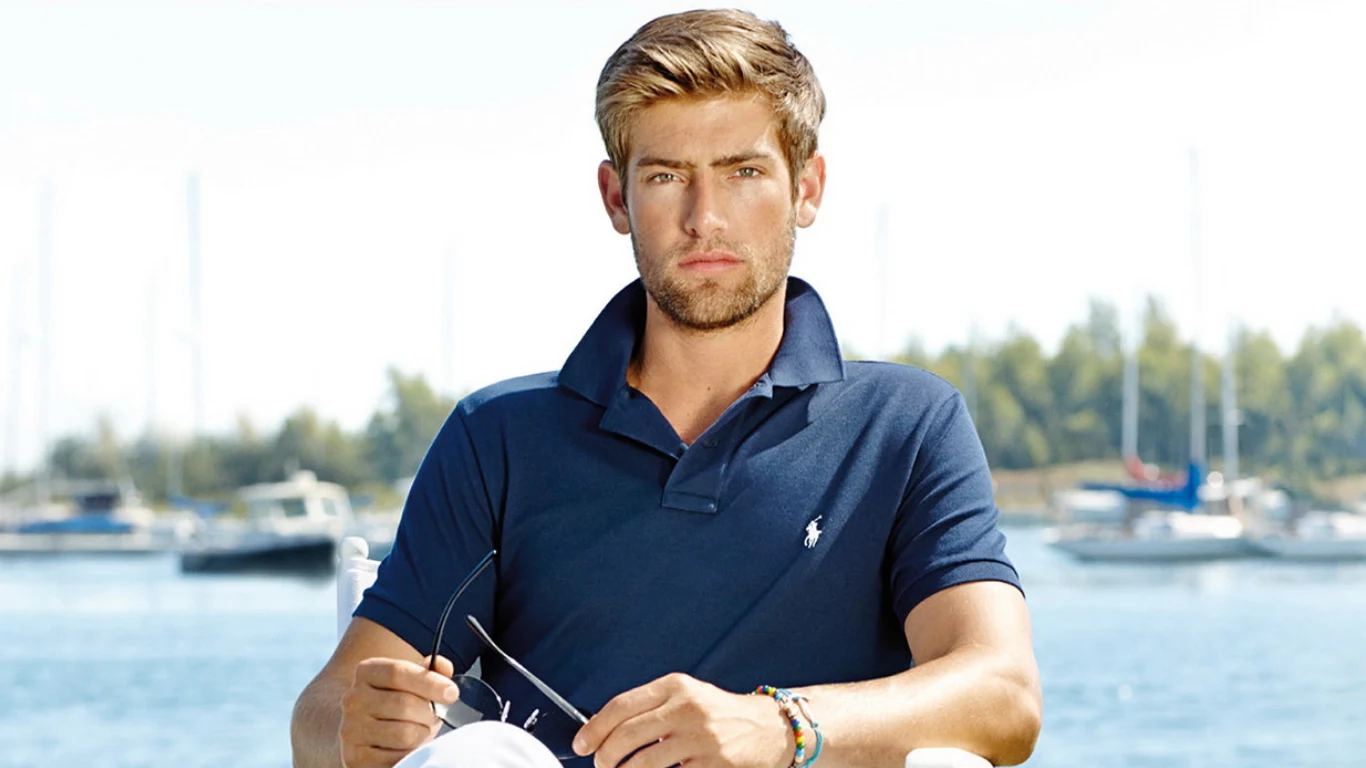
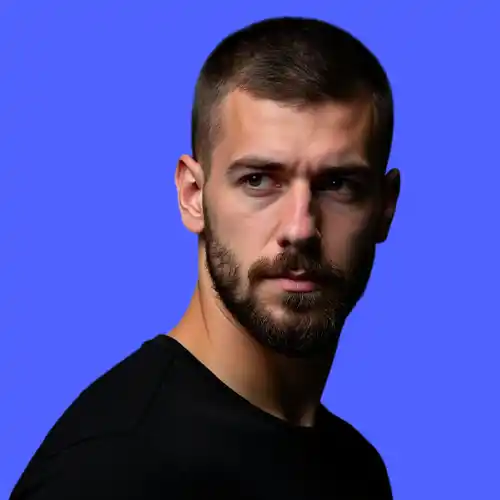
The popped polo collar is one of the most recognizable and controversial details in the history of modern fashion. In the 1980s, it signaled membership among affluent students at prestigious American colleges; in the 2000s, it was worn by Kanye West and characters on Gossip Girl; and by the 2010s, it had become the ultimate style cliché and an object of ridicule. Yet in 2025–2026, popped collars made an unexpected return to the runways of Gucci, Dior, Jil Sander, Miu Miu, and Hermès, as well as to the wardrobes of Harry Styles and Colman Domingo. We trace the history of a garment detail that went from sun protection to a symbol of elitism, died out, and then came back to life in a completely new form.
Table of Contents
What happened?
How towrites Heute.at, one of the first signs of the trend's return was a look worn by British singer Harry Styles, known for his fashion experiments. The photo instantly went viral on social media, while Vogue responded with a dedicated article asking whether this signaled the return of the previous decade's biggest fashion taboo.
In March 2025, British singer Harry Styles was spotted on the streets of London wearing a pink polo shirt with the collar popped. Vogue even devoted a separate material, asking whether popped collars were making a comeback.
It soon became clear that Styles's appearance was no coincidence. At the Spring/Summer 2026 and 2027 runway shows, popped and askew collars appeared at a dozen major brands: Auralee, Jil Sander, Dior, Gucci, Miu Miu, Tommy Hilfiger, Hermès, Dunhill, Wales Bonner, and Aimé Leon Dore.
At Gucci's Spring/Summer 2027 show, creative director Demna Gvasalia sent model Elsa Hosk down the runway in a striped top with a stiff white popped collar. Popular fashion analyst Mandy Lee (known as OldLoserInBrooklyn) commented on its return with an ironic quip: “Evil never dies; Demna reinvents it”. The fashion industry, which until recently had shunned the aesthetics of the 2000s, has officially announced the return of “snob style” and the yuppie aesthetic.
From Sun Protection to the Ivy League: Where Did This Trend Come From?
Originally, the popped collar had nothing to do with high fashion and served a purely practical purpose:
19th century: The stiff, starched collars of men's shirts and coats were turned up to protect against wind and sunburn. At the time, a detachable collar was considered a status symbol in men's wardrobes.
1929: French tennis player and seven-time Grand Slam champion René Lacoste created a knitted cotton piqué shirt. It had a relaxed fit and a soft fold-down collar that players would deliberately turn up on the court to protect their necks from the blazing sun. The design quickly migrated into golf, polo, and everyday wardrobes.
1950s: Marlon Brando and James Dean, icons of the silver screen, made popped collars on leather jackets part of their rebellious style, giving the detail an air of bold masculinity.
A major shift in how the collar was perceived came in 1980 with the publication of Lisa Birnbach's book The Official Preppy Handbook ("The Official Preppy Handbook"). The author described the popped polo collar not as a sportswear detail, but as a key marker of preppy style—the wardrobe of students at elite Ivy League colleges and members of high society. In the United Kingdom, a similar aesthetic was embraced by the aristocratic Sloane Ranger subculture. Polo shirts bearing the logos of Lacoste, Brooks Brothers, and Ralph Lauren became the uniform of privileged youth.
The 2000s: Kanye West, Gossip Girl, and the Layering Craze
At the turn of the millennium, preppy style moved beyond private schools and entered the global mainstream. In the early 2000s, Kanye West became one of the leading figures to popularize popped collars. Around the release of his debut album The College Dropout the rapper was often seen in brightly colored polo shirts, varsity blazers, and sweaters, always with his collar popped.
At the same time, mass-market brands Abercrombie & Fitch, Hollister, and American Eagle made the American college aesthetic accessible to every mall-goer. A signature Y2K styling technique emerged: layered polos, with several tops in contrasting or pastel colors worn on top of one another and all the collars popped.
The look was immortalized in pop culture by characters from iconic media: Ed Westwick’s Chuck Bass in the first season of “Gossip Girl,” Megan Fox in “Jennifer’s Body,” and Three 6 Mafia’s popular 2005 track “Poppin’ My Collar.” By the end of the 2000s, everyone was wearing popped collars—from fraternity brothers to reality TV stars like Pauly D from “Jersey Shore.”
How Did This Detail Become the Ultimate Fashion Faux Pas?
It was hyperinflation and excessive neatness that killed the trend. By the early 2010s, the perfectly starched, rigidly upright collar was no longer seen as a sign of taste or elite status, but as a symbol of fashion excess, phoniness, and detachment from reality.
Popped collars became the butt of jokes and were associated with conservative golf-club regulars. Fashion in the 2010s pivoted toward minimalism, street style embraced oversized silhouettes and grunge, and the popped collar was relegated to the furthest reaches of fashion history for almost 15 years.
What Changed in 2025–2026? The Key Difference of the New Trend
The return of the popped collar is not a carbon copy of the fashion of 20 years ago. The key difference lies in the styling approach and overall philosophy:
- From perfect neatness to deliberate nonchalance: In the 2000s, collars were popped as high, stiff, and straight as possible. In 2025–2026, designers stripped this detail of its conspicuously meticulous quality. The modern popped collar looks intentionally casual: one side may remain raised while the other falls, and it may be slightly rumpled or sit unevenly. Strict status signaling has given way to ironic ease.
- A broader context:
– Jil Sander (Осень/Зима 2026/27): Creative director Matteo Bellotti shifted the collars of jackets and coats slightly backward, creating an asymmetrical silhouette and a sense of gentle resistance.
– Dior, Hermès, Dunhill и Sacai: Used the popped-collar styling trick not only with polo shirts, but also with leather jackets, classic shirts, and coats, embracing the Yuppie (“young urban professional”) aesthetic.
– Miu Miu и Tommy Hilfiger: Combined archival preppy style with relaxed proportions and contemporary layering.
How to Wear a Polo with a Popped Collar Today: Practical Tips
Experts and designers agree: the key to looking stylish in 2026 is not to look like you tried too hard.
- Forget perfect symmetry. If you have a polo shirt with a structured piqué collar, simply lift it with your fingers rather than trying to smooth it to perfection. A slightly careless look is key.
- Mix it with contrasting pieces. Today, the popped-collar polo is best paired not with classic chinos, but with relaxed-fit jeans, midi skirts, or cargo shorts.
- Embrace layering. A great modern styling trick is to wear a classic white shirt with the collar popped under a leather jacket or blazer, or layer two shirts with collars of different lengths.
- No shopping required. The best thing about this returning trend is that you don't need to buy anything new to embrace it: simply pull an old polo shirt with a structured collar out of your closet and pop the collar.




0 comments
Enter your email and we will send you a one-time code. No passwords, no accounts.
Code sent to
If the email does not arrive in your inbox within a few minutes, check your Spam, Junk or Promotions folder — some mail services may wrongly place automated messages there.