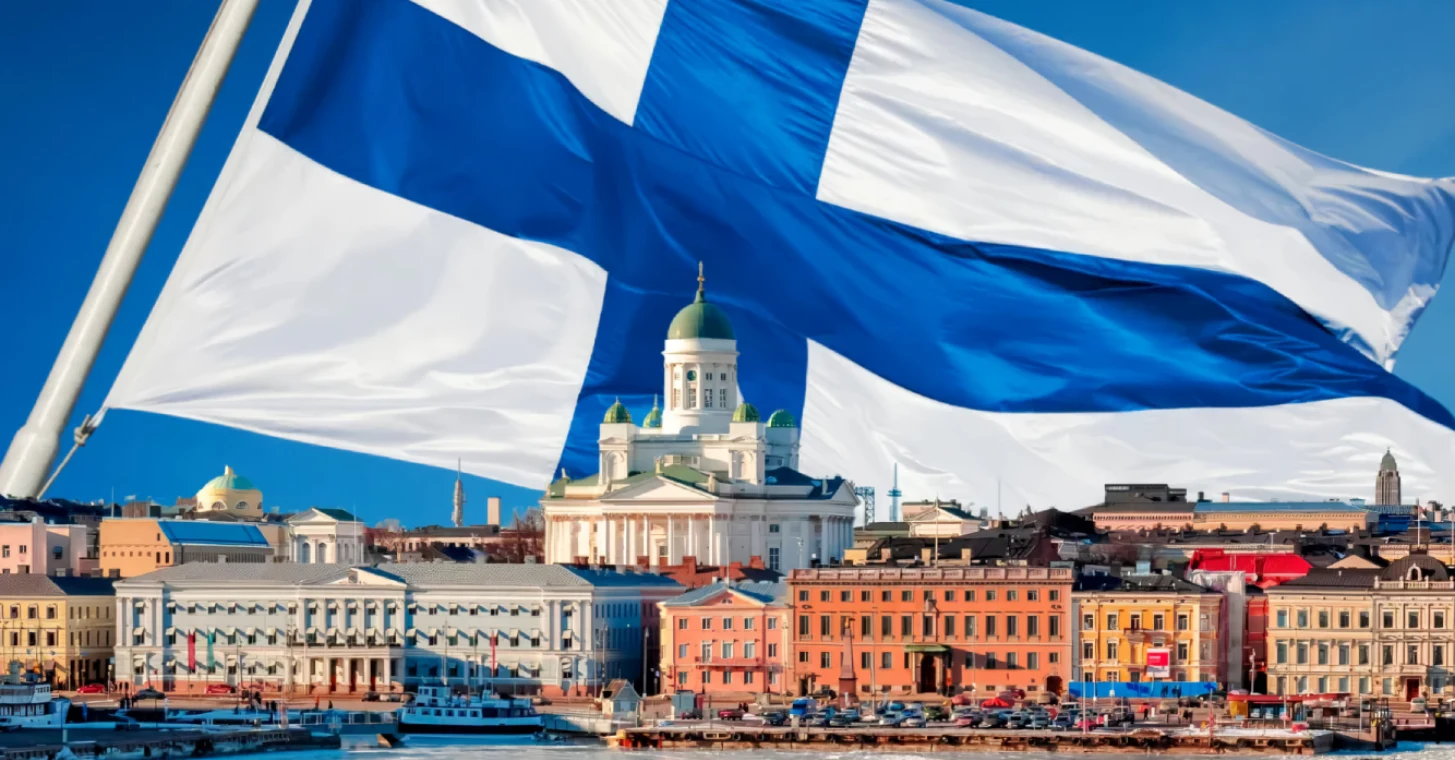
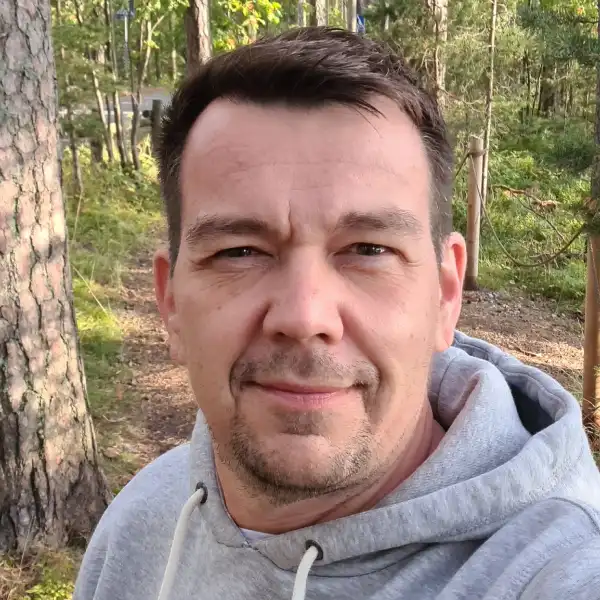
I am often asked in comments and private messages whether homophobia exists in Finland. I do not like this word, as it does not accurately reflect the reality of the situation. When we talk about hostility between one group and another, it is not a “phobia” but intolerance. Therefore, in this article I will focus more on the intolerance shown toward LGBT+ people by certain groups in Finland.
Looking at Finnish society as a whole, it is highly tolerant and open.
According to international rankings, Finland ranks highly not only in protecting human and LGBT+ rights, but also in the overall social climate surrounding this issue.
An important milestone was the marriage law that came into force in 2017, allowing same-sex couples to officially marry (previously, they had been able to enter into what was known as a registered partnership). Over the past nearly ten years, there have been very positive changes: it has become normal for people to have same-sex couples among their relatives or acquaintances who live together, with some also raising children. All of this reflects the absence of widespread hostility or disregard toward LGBT+ people.
However, this does not apply to all of Finnish society. Certain religious communities still exist in Finland in which spiritual abuse and conversion therapy methods are practiced. Several recently published books have explored this issue. Particularly noteworthy among them are:
- Tom-Kristian Heinäaho’s book “That Which Comes from Satan” (Tom-Kristian Heinäaho “Saatanasta seuraava”), which recounts the life of a former active Jehovah’s Witness in Finland before and after coming out;
- the book “Between Heaven and Hell” (Patrick Tiainen “Taivaan ja helvetin väliltä”) by Patrick Tiainen, a young pastor from an evangelical congregation who once founded a religious organization, later came to terms with his sexual orientation, and subsequently became an LGBT+ activist;
- as well as recent serious works examining sexuality within religious institutions, such as Ville Mäkipelto’s book “Still Whole: How Conversion Therapy Breaks a Person” (Ville Mäkipelto “Sittenkin ehjä: Miten eheytystoiminta rikkoo ihmistä”).
Religious Attitudes and Questions of Sexuality
An analysis of the discussions surrounding these books and taking place in the media shows that Finland has a problem related not so much directly to the acceptance of LGBT+ people as to deep distortions within religious attitudes toward sexuality in all its forms.
It is interesting to observe how religious communities use scriptural texts. For example, when homosexuality is discussed, people often begin quoting ancient texts and using the term “sodomy.” But projecting modern LGBT+ concepts onto those eras is historically inaccurate—these terms had an entirely different, broader meaning that remains a matter of debate among theologians.
In the run-up to parish elections, sexuality and religion are frequently discussed on social media. Some bloggers devote lengthy videos to the subject, discussing not only LGBT+ issues but also whether sex before marriage, masturbation, pornography, and so on are acceptable. Religious institutions maintain a very strict and conservative position: sex was created not for recreation or pleasure, but solely for procreation, and everything else is sinful. From time immemorial, religious institutions have sought to control what happens in their followers’ beds, and this practice continues.
The only difference between what happened in the past and what is happening now is that society has changed dramatically. The church’s opinion is no longer seen as the sole authority on moral issues. Society today has a broadly accepted moral framework that views issues of sexuality very differently, while religious institutions are trying to preserve their own understanding at least within their communities and pass it on to their followers.
The people interviewed for Ville Mäkipelto’s book “Still Whole” (Sittenkin ehjä) say that they experienced shame and problems in their sex lives precisely because they had heard sexuality portrayed as sinful and “unclean” in religious circles. For a long time, this perspective was characteristic not only of churches but also of the older generation. It was even reflected in the lyrics of past decades’ pop music, where sinfulness was closely associated with sexual desire.
Coming Out and the Freedom to Be Yourself in Everyday Life
When someone is considering moving to a new country and living openly as themselves there, personal safety and freedom come first. Candid conversations with people who have come out in Finland reveal something important: the atmosphere in the country allows people to breathe freely and stop hiding.
Learning to accept yourself after many years of pressure in a conservative environment is a difficult inner journey, but life in Finland offers a unique opportunity to heal. Here, people gradually learn to live without fear or constantly looking over their shoulders, to build careers, start families, and simply be themselves without fear of condemnation by the state or most of those around them.
Where does conservatism still persist in Finland?
There is an interesting situation regarding LGBT+ people in Finland. On the one hand, even within the church we see employees who are in same-sex marriages. The Lutheran Church has made considerable progress, and the Diocese of Helsinki even participates in Pride events.
However, the church has not yet reached the point of fully recognizing the possibility of church weddings for same-sex couples. (For reference, two religious organizations in Finland have the status of national churches and are authorized to register marriages with the state on their own behalf: the Evangelical Lutheran Church of Finland and the Orthodox Church of Finland).
Citing the canons and discipline of the Orthodox world, the Orthodox Church of Finland has stated that it will not even consider the issue, aligning itself with other conservative religious organizations. The large and influential Evangelical Lutheran Church of Finland is seeking ways to resolve the issue, but has had little success so far. It should be noted, however, that this practice has already become the norm in some of the church’s parishes.
A degree of conservatism also persists in some traditional institutions of society—for example, among the military, police, emergency service workers, and athletes. In these fields, people are more likely to remain “in the closet” and prefer not to disclose their private lives or sexual orientation at work.
The situation in politics is entirely different. Finnish politicians are in the public eye, as the recent Finnish presidential election clearly demonstrated when Alexander Stubb and Pekka Haavisto faced each other in the second round. Haavisto lost to the winner by only a few percentage points, and the public was not at all preoccupied with his sexual orientation or the fact that he has long been married to a man. The percentage of votes he received shows that Finnish society has no issue with a politician’s sexual orientation.
Today, openly LGBT+ people can be found among the politicians and staff of most parties, including conservative ones (such as the Finns Party / Perussuomalaiset), as well as among the heads of city administrations.
In Finland, it is difficult for politicians to keep their private lives hidden because of the independent press and traditional events such as the Independence Day reception at the Presidential Palace, which guests attend with their partners. The public is well aware of who is in a relationship with whom.
Local Contexts and Everyday Realities
Overall, Finland is an entirely free and safe country for LGBT+ people. However, in everyday life, as in any country, you may encounter certain environments where stereotypes and intolerance still persist:
- Conservative religious circles. In reality, their influence is not as extensive as it may seem. Perceptions of their numbers are often inflated by the strong media presence of a few outspoken figures who claim to represent traditional Christianity.
- Socially disadvantaged communities. In disadvantaged circles or places with high rates of addiction, prejudice and aggression are more common—both toward members of that community and toward outsiders.
- Closed cultural and linguistic communities. This applies to certain groups of immigrants (both Russian-speaking immigrants and those from other countries). This does not refer to immigrants as a whole, but rather to the more conservative among them—people who remain within the information environment and value system of their countries of origin and under the influence of those countries' propaganda or religious figures.
If you encounter a negative comment or an expression of intolerance, it is important to understand that this does not reflect the attitude of society as a whole, but only the views of particular individuals trapped in their own mental and informational bubble.
The Role of Civil Society and Helsinki Pride
A clear sign of progress is that every summer Finland celebrates Pride Month. Rainbow flags are raised in many cities, while the largest celebration takes place in the capital: Helsinki Pride brings together up to 100,000 people in a single parade. Participants include LGBTQ+ people and everyone who supports human rights and an open society, including the Diocese of Helsinki and neighboring dioceses of the Evangelical Lutheran Church.
One of Finland’s strengths is its well-developed “third sector” of non-governmental organizations. This resource enables society to address numerous challenges and engage in wide-ranging dialogue on many different issues. Finland has an extensive network of organizations that advocate for the rights of LGBTQ+ people. These include both long-established organizations that have been active since the 1970s, such as Seta, and much newer ones. They raise important issues concerning LGBTQ+ rights, create spaces where people of different ages can connect, and help those from conservative religious communities who have lost the support of their families after coming out.
Finland is an exceptionally free and safe country for LGBTQ+ people, while still having enormous potential for further progress and improvement in equality. I am happy to live here, to be a citizen of this country, and to be part of Finnish society.
✦ This article is published as written by the author. The opinions, assessments, and conclusions expressed in the text are those of the author and may not reflect the position of the Doberman.media editorial board. The editorial board is not responsible for the author’s interpretations, statements, or conclusions.








0 comments
Enter your email and we will send you a one-time code. No passwords, no accounts.
Code sent to
If the email does not arrive in your inbox within a few minutes, check your Spam, Junk or Promotions folder — some mail services may wrongly place automated messages there.