

On Tuesday, October 13, 2026, the Hungarian parliament voted to remove provisions restricting the rights of the LGBTQ community from the “child protection” law. The bill was supported by 139 MPs, while 51 voted against it. This marked the first significant step toward dismantling the discriminatory legacy of former Prime Minister Viktor Orbán since Péter Magyar’s pro-European government came to power.
What exactly changed in the law?
The original version of the law, adopted in 2021 under the Fidesz government, prohibited the “depiction” or “promotion” of sexual and gender diversity, as well as gender reassignment, in materials accessible to minors. This provision applied to school curricula, books, educational projects, and advertising, and also served as the basis for banning LGBTQ pride events.
Under the adopted amendments, all references to sexual orientation and gender identity have been completely removed from the text. The new wording requires that persons under the age of 18 be protected solely from content capable of “seriously harming a child’s physical, intellectual, emotional, or moral development.”
Szilvia Gyurkó, State Secretary at the Ministry for Social and Family Affairs, explained that the purpose of the changes was to “move away from the flawed paradigm that somehow links child protection to sexual orientation or gender identity, and transition to a system that is genuinely focused on children.”
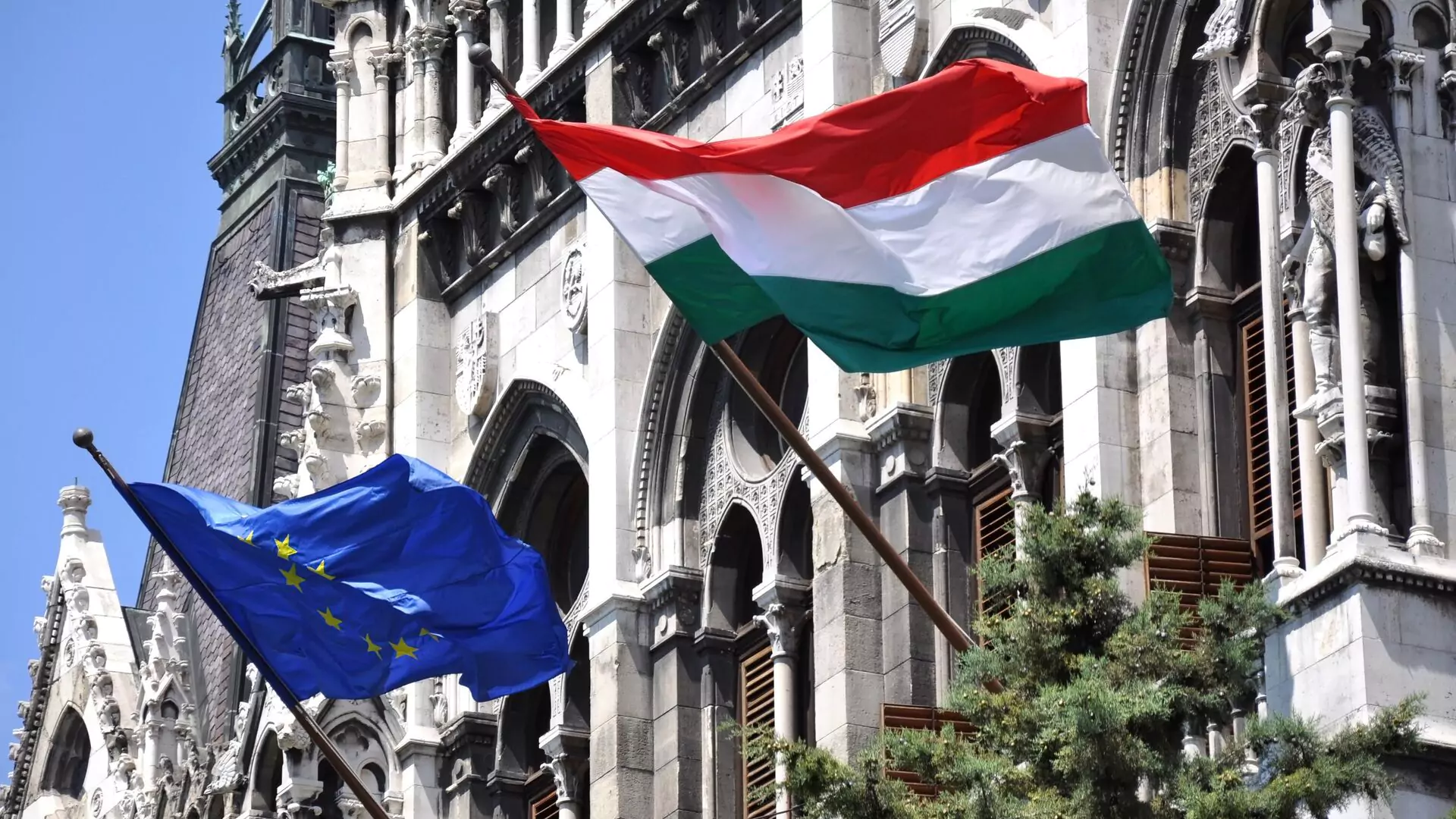
Political context and the government’s position
The amendments became possible following the change of government in Hungary. Péter Magyar and his Tisza party won the April 2026 election, ending nationalist Viktor Orbán’s 16-year rule. Orbán’s Fidesz party voted against the changes, accusing the government of “gutting” the law. However, Tisza holds a two-thirds majority, allowing it to pass the bill without opposition support.
Prime Minister Péter Magyar himself emphasized that the adopted changes bring Hungarian legislation into line with European Union standards. At the same time, during the election campaign he did not emphasize LGBTQ+ rights, presenting the amendments not as a “restoration of rights,” but as a tightening of child protection standards that apply regardless of sexual orientation.

Denes Erdos / AP / Scanpix / LETA
EU pressure and the Luxembourg court ruling
The main catalyst for the law's repeal was a ruling by the Court of Justice of the European Union (ECJ) issued in April 2026. The court found that Hungary's 2021 law violated fundamental human rights, EU internal market rules, and the bloc's “very identity.” Because of this legislation, the European Union had withheld around half a billion euros in funding from Hungary. Brussels welcomed the outcome of the vote, calling it an important signal of commitment to EU values.
What are human rights advocates saying?
Representatives of human rights organizations, notably Hatter Society and Human Rights Watch, welcomed the repeal of the homophobic provisions but noted that many other discriminatory restrictions remain in place in the country. In particular, the following remain in force:
- The constitutional definition of marriage exclusively as a union between a man and a woman;
- The ban on adoption by same-sex couples;
- The ban on legal recognition of gender identity and gender reassignment for transgender people.
Human rights advocates emphasize that repealing the “propaganda” provision is only the first step toward restoring the legal status quo.








0 comments
Enter your email and we will send you a one-time code. No passwords, no accounts.
Code sent to
If the email does not arrive in your inbox within a few minutes, check your Spam, Junk or Promotions folder — some mail services may wrongly place automated messages there.