For decades, the popular image of the “ideal gay man” was shaped by glossy magazines, Hollywood, and dating app algorithms. As a result, a rigid hierarchy of appearance has emerged within the community, with the young, hypermasculine, muscular white man at the top. This ideal not only dictates the rules of attractiveness but also contributes to high levels of anxiety, eating disorders, and body dysmorphic disorder.
Разбираемся, как устроены стандарты красоты в гей-среде, почему 10% мужчин готовы отдать 11 лет жизни за идеальный пресс и как возникли субкультуры, пытающиеся разрушить эту монополию.
Table of Contents
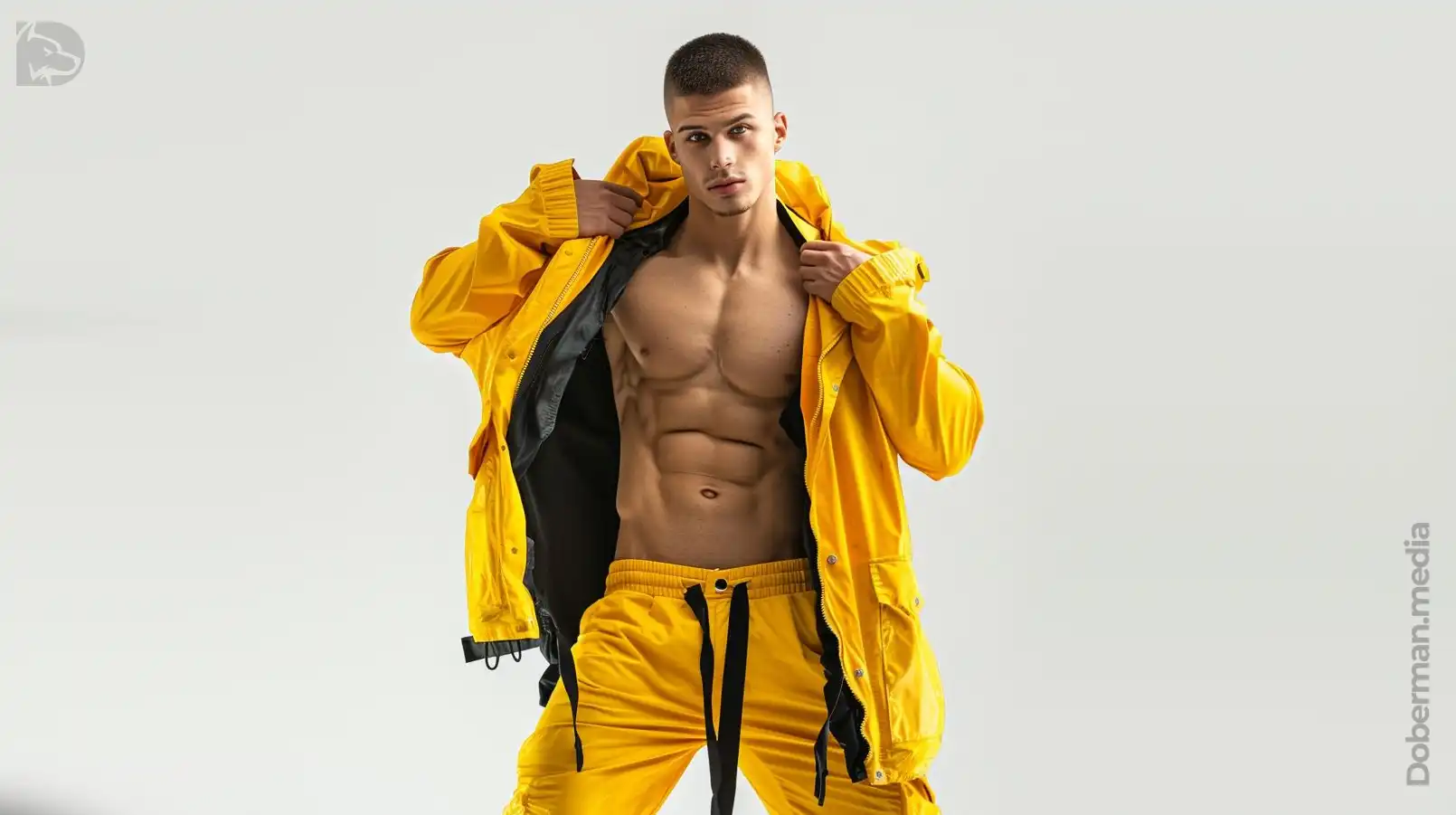
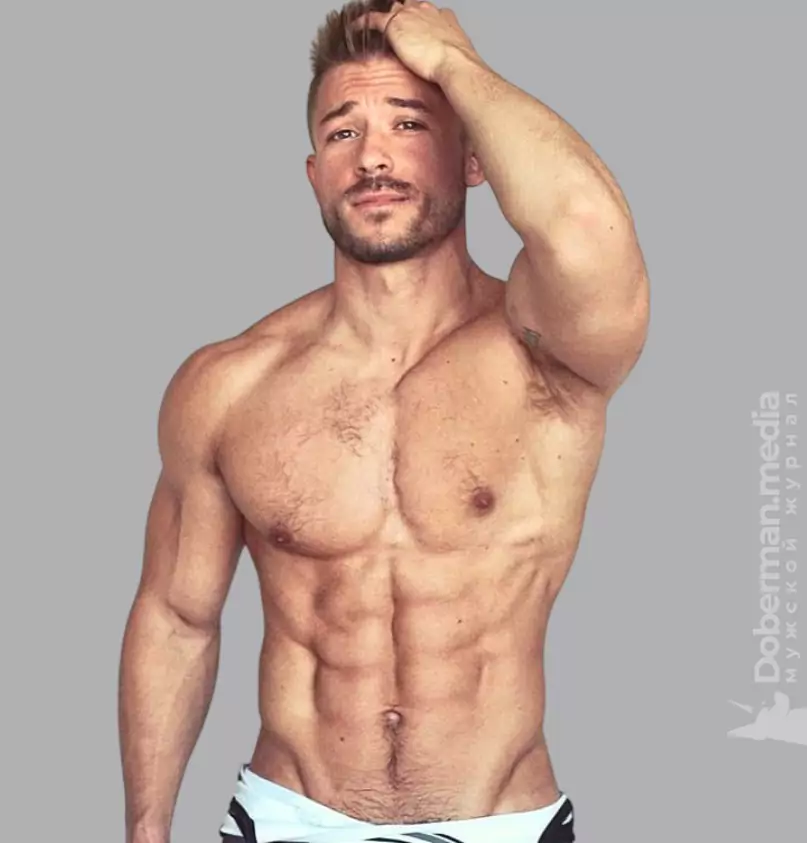
White, Muscular, Young: The Dominant Ideal and the “Adonis Complex”
The beauty ideal in mainstream gay culture has historically been shaped by media controlled by white men and promoting a Eurocentric standard. Dating sites and specialized magazines created the “sexual image of the white gay man,” excluding or objectifying members of other ethnic groups.
At the same time, a rigid association between masculinity and muscularity is cultivated. Hollywood action movies, bodybuilding culture, and advertising have created the notion that an attractive body must have defined abs, well-developed pectoral muscles, and a low body-fat percentage. Researchers call this the “Adonis complex” — болезненной озабоченностью нереалистичными образцами тела. В ходе опросов в США 38% мужчин признавались, что хотели бы увеличить грудные мышцы.
Another pillar of the canon is the cult of eternal youth. Youth is valued so highly that teenagers and young people have developed a fear of so-called “twink death” (twink death)—the moment when the body inevitably loses its youthful features, while the culture itself offers no clear social role for an aging person.
The Price of “Perfection”: Body Dysmorphia and Trading Years of Life
The preoccupation with appearance among gay men is significantly stronger than among heterosexual men. Psychologists link this to the social context: boys who grow up in a hostile, heteronormative environment without positive role models begin looking for figures to emulate among chiseled media personalities.
Constantly comparing oneself to an unrealistic ideal leads to body dysphoria and dysmorphophobia—a fear of being ugly and an obsession with imagined flaws. A person begins to see less-than-perfect abs, thinning hair, or insufficient muscle mass as a personal catastrophe. Within this frame of reference, a skinny or fat body becomes associated with weakness of character.
The scale of the problem is illustrated by a University of Bristol study: 48% опрошенных гомосексуальных мужчин заявили, что готовы пожертвовать одним годом жизни в обмен на идеальное тело. Moreover, 10% респондентов согласились отдать 11 лет жизни за возможность мгновенно обрести безупречную фигуру. При этом среди гетеросексуальных мужчин отдать год жизни за идеальные параметры согласилась лишь треть, хотя 77% из них также разделяли культурный идеал красоты. Многие парни признаются, что каминг-аут и столкновение с поверхностной критикой в приложениях вызвали у них небывалую самоненависть и мысли о пластической хирургии.

Discrimination in Dating: “No Asians” and Racial Fetishization
Rigid beauty standards have given rise to a phenomenon that researchers call racism and lookism within the community. On dating apps such as Grindr, users long openly listed requirements like “no Asians” or “no Black men” in their profiles, excluding entire ethnic groups.
According to a study by FS Magazine, с расизмом и неприятием в гей-среде сталкивались 80% черных мужчин, 79% азиатов и 75% выходцев из Южной Азии. Дискриминация проявляется с двух сторон: не-белых людей либо отвергают на этапе знакомства, либо подвергают расовой объективации и фетишизации, сводя личность человека к национальным стереотипам. Подобное отторжение в приложениях снижает самооценку и приводит к внутреннему расизму и психологическому стрессу.

The Backlash: Body Types and the “Bear” Movement
The rigid confines of the mainstream canon led to the emergence of subcultures and alternative standards of attractiveness within the community. In the late 1970s, the “bear” movement emerged in the United States as a form of social protest against the stereotype of gay men as exclusively effeminate or polished. “Bears” created a cult of natural masculinity, valuing stocky or sturdy builds, beards, mustaches, and natural body hair.
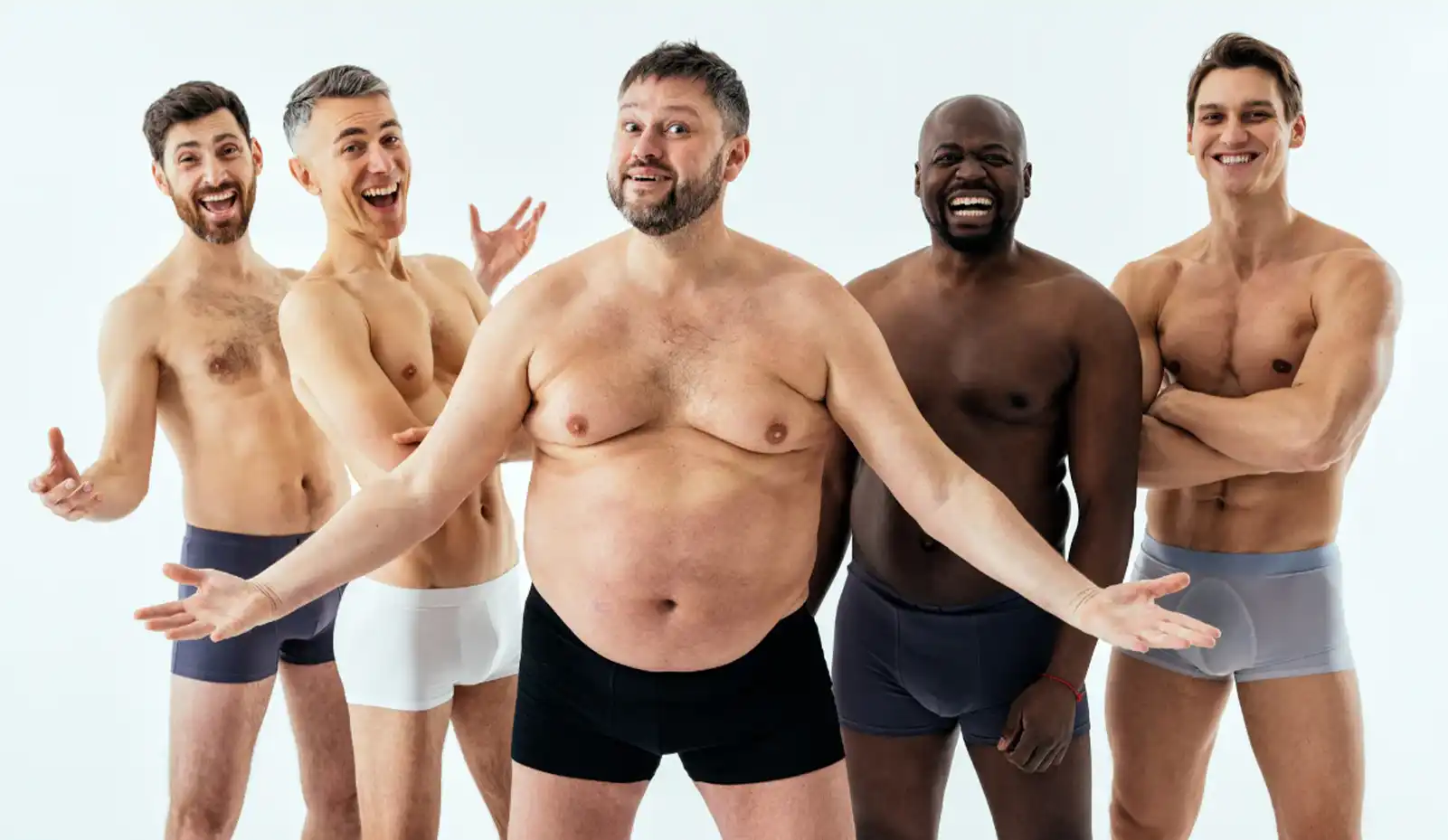
Over time, dating culture developed an entire system of labels for different body types and appearances:
- Twinks (Twinks) — young, skinny, smooth guys.
- Otters (Otters) — lean, slender men with abundant body hair.
- Bears (Bears) and Cubs (Cubs) — adult (or young) stocky men with beards and body hair.
- Wolves (Wolves) — lean, tall men with facial hair.
- Chubs (Chubs) — overweight men who have carved out their own niche.
Although such labels are sometimes criticized for excessive categorization and fetishization, they have broadened perceptions of who can be considered attractive.
Moreover, many gay men point out that the image of the “perfect 20-year-old Instagram hunk” is merely a vocal minority amplified by a media bubble. In real life, most men are looking for ordinary, genuine partners, value emotional maturity, and do not conform to glossy-magazine standards.




0 comments
Enter your email — we’ll send you a one-time code. No passwords or accounts.
Code sent to
If the email doesn't appear in your inbox within a few minutes, check your spam, junk, or promotions folder, as some email services may mistakenly place automated messages there