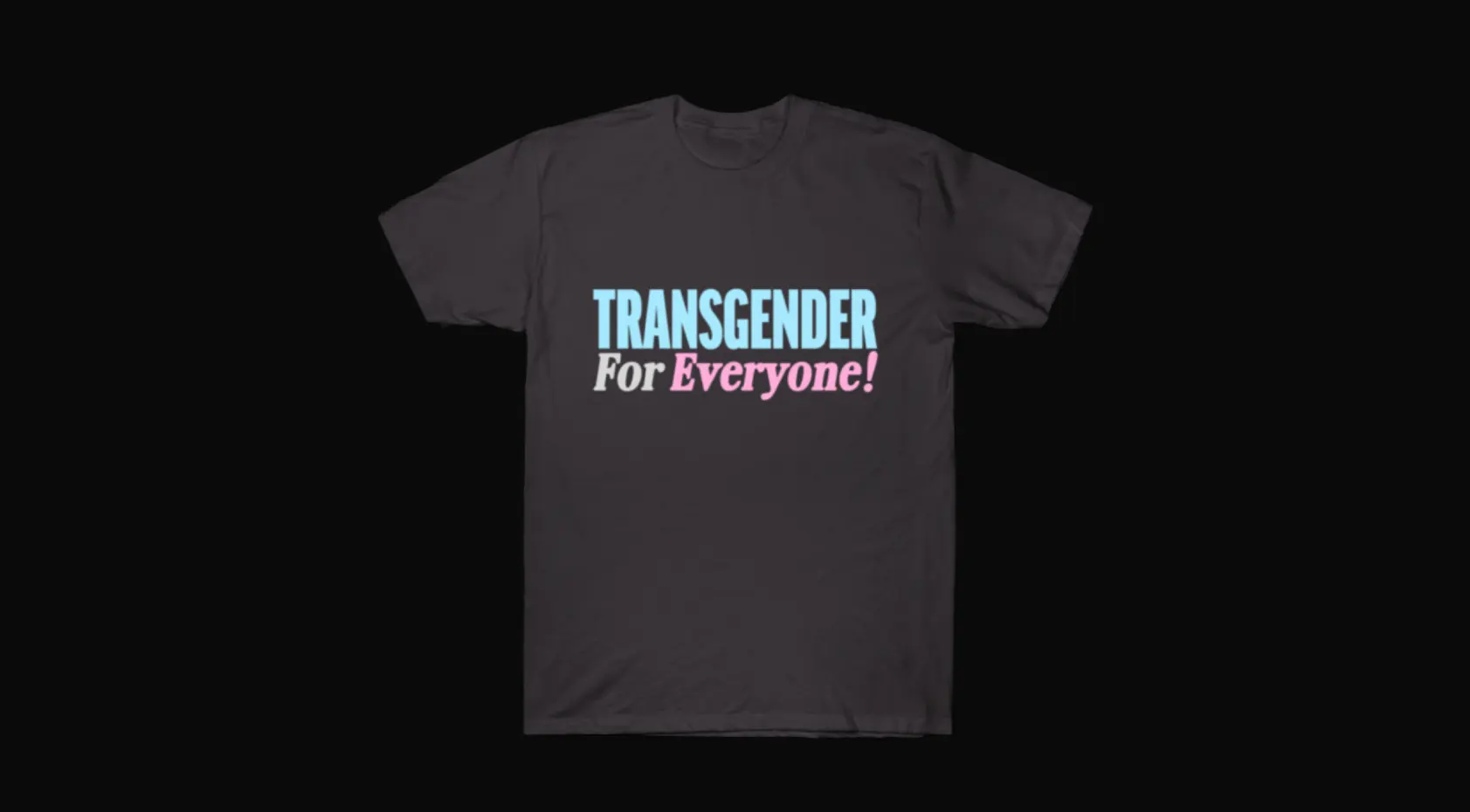

Donald Trump regularly uses the punchy phrase “transgender for everybody” (“transgender people for everyone” or “transness for everyone”) in speeches and at rallies to attack his political opponents,. However, this rhetorical device had an unexpected effect: instead of provoking shame or division, the phrase became a protest slogan and popular merchandise. We explore how this rhetoric works and why linguistic reappropriation has once again backfired on those who coined it.
What's happening?
Throughout his recent campaign appearances and public events, Donald Trump has repeatedly uttered the phrases “transgender for everybody” and “everybody transgender.” He ties them to a wide range of issues—from crime rates, immigration, and the military to the economy and school education.
At the same time, none of the politician's speeches provides a specific definition of what exactly this term means. The phrase is used not as a substantive policy proposal, but as an auditory and emotional cue for attacking the Democratic Party and drawing attention to culture-war issues.
How does Trump's rhetoric work from the perspective of psychology and marketing?
Analysts compare the use of the phrase “transgender for everybody” to P. T. Barnum-style advertising or rhythmic advertising jingles (such as the famous American promo catchphrase “Sunday! Sunday! Sunday!”). It is a short, rhythmic, modular construction that can be inserted into any context:
- Mere exposure effect (mere exposure effect): repeating a short phrase over and over makes it more recognizable to the audience.
- Illusory truth effect (illusory truth effect): constantly repeating a claim makes people perceive it as true and self-evident, even when it is unsupported by any factual evidence.
While the slogan serves as a loud media barker, government agencies are advancing very real bureaucratic measures—from demands to remove references to gender identity from sex education curricula to court requests for the confidential medical records of transgender teenagers.
What is linguistic reappropriation, and how does it work?
The process of turning a hostile slur into a symbol of pride is called linguistic reappropriation (or self-labeling / self-labeling). In the history of the LGBTQ movement, this is far from the first time that a marginalized group has redefined attacks and insults:
The history of the word “queer” (queer): originally meaning “strangeness” or “inferiority,” the term began to be used as a slur in the late 19th century. However, in the late 1980s and early 1990s, activists from organizations such as Queer Nation and ACT UP during the HIV/AIDS crisis openly reclaimed the term. They used it in slogans such as «We’re here, we’re queer, we will not live in fear», turning a slur into an umbrella term and a symbol of resistance.
Stripping language of its toxic power: according to social psychology research (particularly the work of Adam Galinsky and his colleagues), when a group collectively begins using a label imposed on it, the external group (outgroup) loses the ability to use the word to instill shame or assert hierarchical superiority.
How did Trump’s jab become merchandise and a rallying cry?
Faced with yet another wave of rhetorical attacks, the trans community and its allies employed the very same mechanism of collective self-labeling.
On marketplaces (such as Etsy), there is a proliferation of appeared T-shirts and hoodies bearing the slogan “Transgender for Everyone”, marketed as protest apparel and political statements.
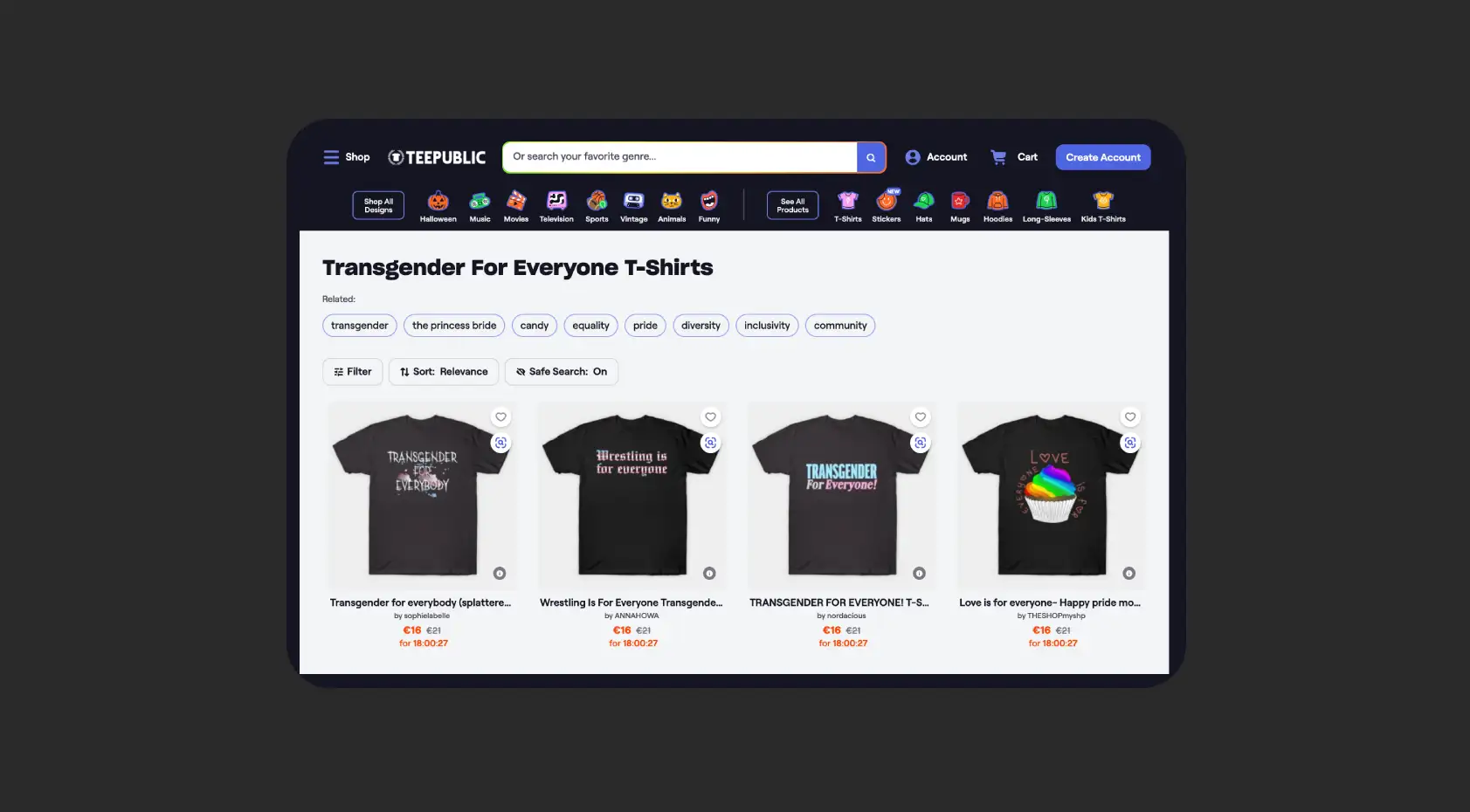
A phrase intended as fearmongering has become an ironic meme, bringing people together on social media and at protests.
As researchers of language and social integration note, when an attempt to turn a vulnerable group into an election-season bogeyman is met with irony and the collective reclamation of the slogan, an aggressive political weapon loses its original destructive power.




0 comments
Enter your email — we’ll send you a one-time code. No passwords or accounts.
Code sent to
If the email doesn't appear in your inbox within a few minutes, check your spam, junk, or promotions folder, as some email services may mistakenly place automated messages there