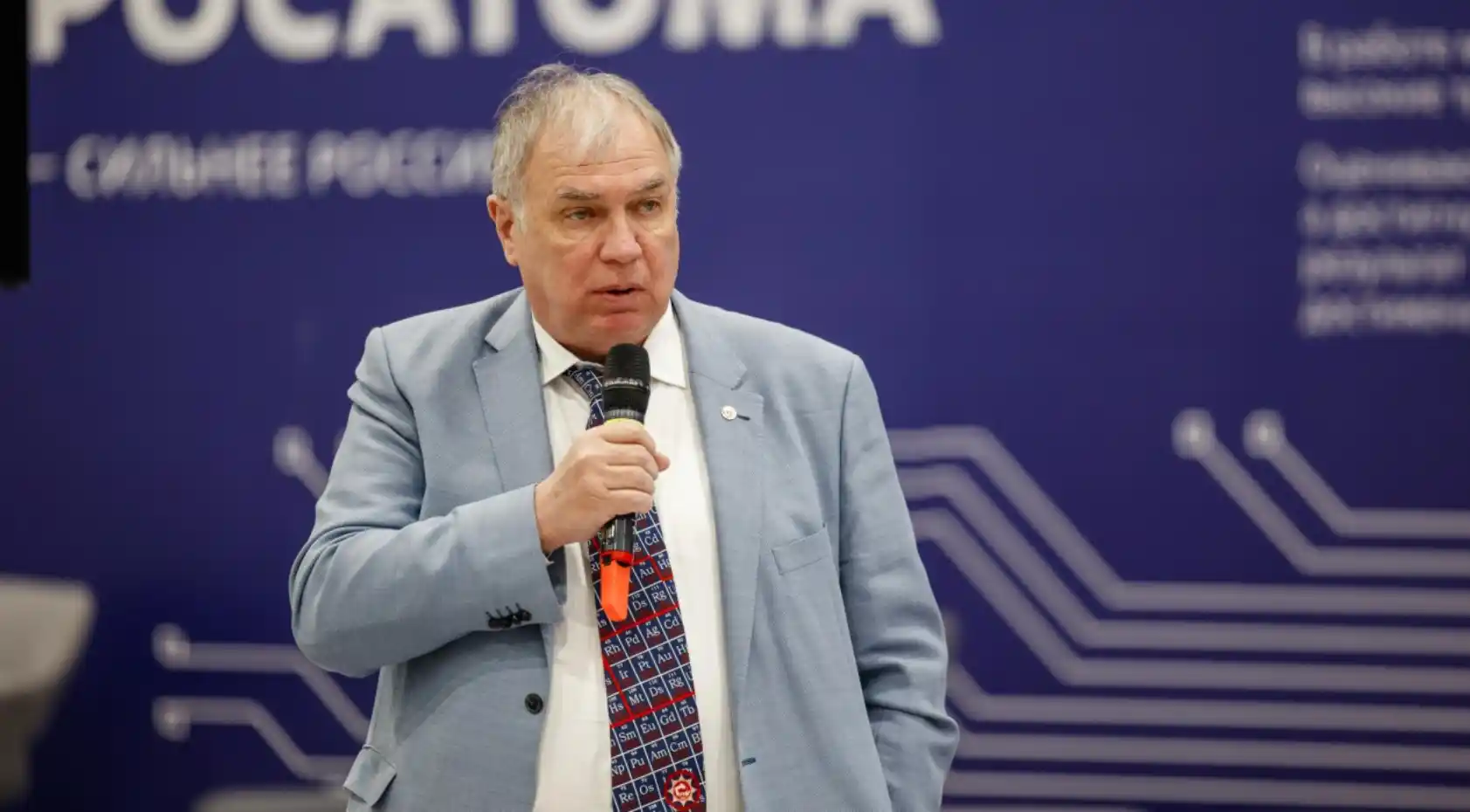

The International Atomic Energy Agency (IAEA) has suspended Mikhail Chudakov—an IAEA deputy director general and one of the highest-ranking Russian officials in the UN system—from his duties. The move was prompted by an ethics investigation into his book “A Treatise on Life,” in which feminists are described as “hysterical fanatics” and gay men and lesbians as “perverts”, writes Bloomberg citing four sources familiar with the situation.
Chudakov has served as an IAEA deputy director general since 2015 and heads the department responsible for the development of nuclear energy. The book was published in 2025, but it came to the agency’s attention after Chudakov presented it at a meeting of the UN Young Generation in Nuclear in Vienna. The youth group later passed the book on to the head of the IAEA’s ethics office.
In the 76-page book, Chudakov calls, among other things, for feminist movements not to be supported and claims that women already have more rights than men. He calls leaders of the women’s rights movement “hysterical fanatics.” Chudakov refers to gay men and lesbians as “perverts and sodomites,” same-sex relationships as “sinful deviations,” and their influence on young people as “poison.”
The book was published under the pseudonym Valentin Voyutin and is dedicated to Chudakov’s children. In it, he also refers to his work at the IAEA and advocates “strict authoritarian leadership,” as well as a “dictatorship” disguised as democracy. In other passages, the author calls for loyalty to “one’s country, Russia, and one’s government” and advocates the persecution of dissidents.
As Bloomberg notes, IAEA rules prohibit employees from engaging in discrimination or conduct that could jeopardize a safe working environment. Agency employees wishing to write books must also obtain permission from headquarters and avoid sensitive topics. Ethical standards require international civil servants to exercise “restraint and tact,” and violations may result in disciplinary action.
Former US ambassador to the IAEA Laura Holgate called the publication and distribution of such a book by an international official “highly inappropriate.” According to her, the book’s content fails to meet the standards of neutrality and professionalism required of employees of international organizations.






0 comments
Enter your email — we’ll send you a one-time code. No passwords or accounts.
Code sent to
If the email doesn't appear in your inbox within a few minutes, check your spam, junk, or promotions folder, as some email services may mistakenly place automated messages there