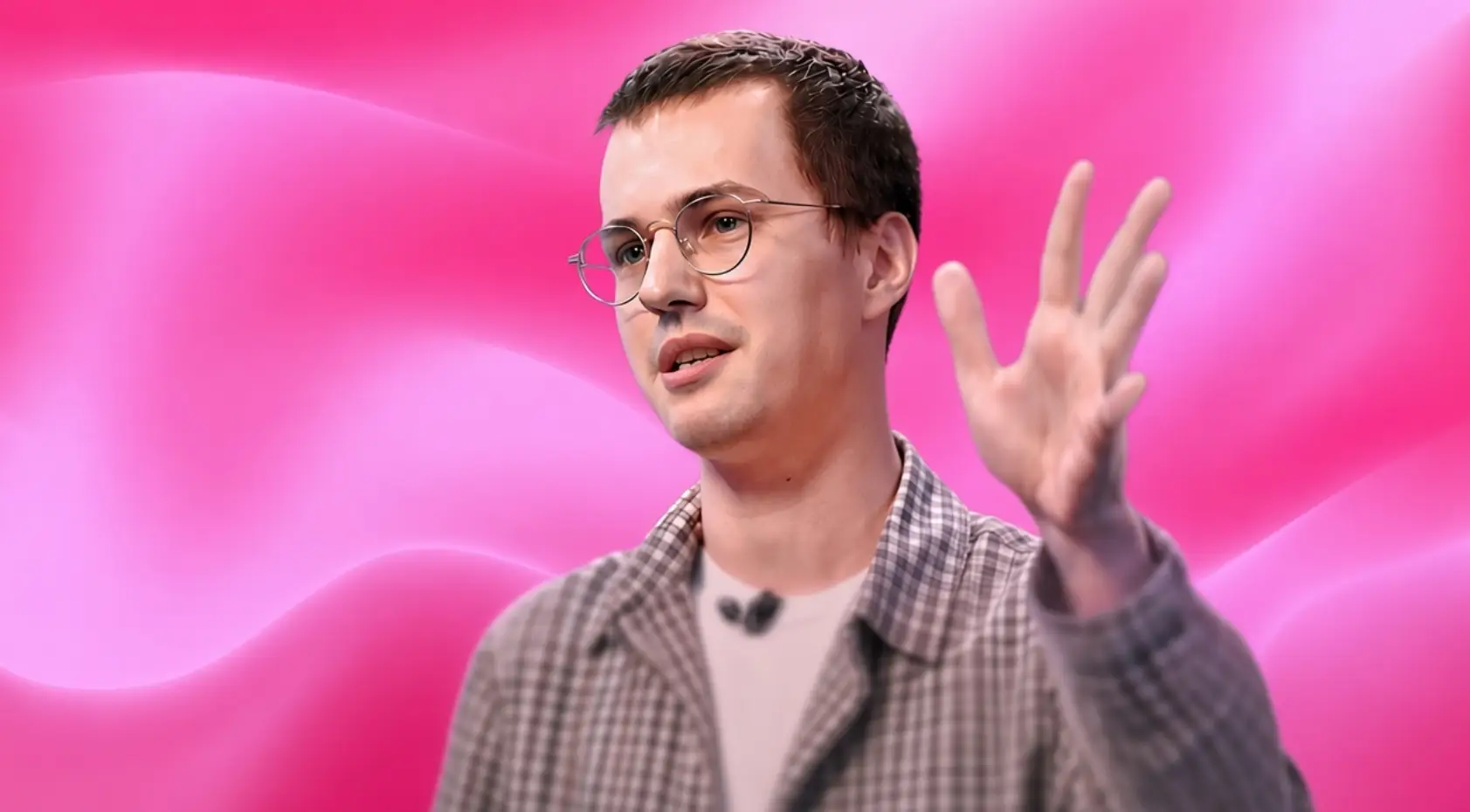
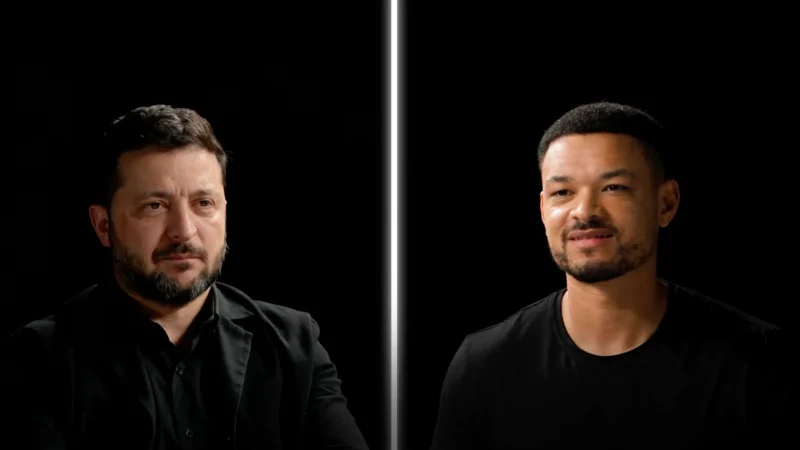
For years, Russian propaganda has portrayed Europe as a haven of “queer freedom,” but the reality of emigration proves far more complicated. Well-known comedian Sasha Dolgopolov, who left Russia after facing the threat of criminal prosecution, spoke in an extensive interview with the TV channel “Dozhd” about their experience of living in Europe, the challenges of representing nonbinary identity in the Russian language, and why the Western system of tolerance is actually nothing more than a disguised instrument of control.
Table of Contents
A risky choice versus a commercial move
In Russia, openly identifying as part of the queer or LGBT community has always required tremendous courage. According to Dolgopolov, back home, every such project or personal statement was backed by “some kind of serious decision,” strong principles, and a close-knit community willing to take risks.
After moving to the West, the illusion of absolute freedom quickly faded. “I began to see the things and phenomena labeled as queer in Europe differently”, the comedian admits. Outside European capitals, LGBT people’s lives remain marginalized, while the plight of refugees remains dire. Dolgopolov recalls tragic incidents:
“In refugee camps in the Netherlands, several trans people have died by suicide, including people from Russia—this is far from a queer paradise.”
Moreover, in the West, the “queer” label itself often loses its original rebellious meaning and becomes a marketing tool. European branding by no means always reflects genuine principles or solidarity:
“Often, it may simply be a marketing ploy to attract a particular audience; it may just be a form of positioning.”
“Wow, they killed my grandfather.” Moscow court arrests comedian Sasha Dolgopolov in absentia on charges of “rehabilitating Nazism” (video) Read
The co-optation of protest and “insidious oppression”
Dolgopolov believes that achievements of the Western LGBT movement such as same-sex marriage and state institutionalization actually serve the system’s goal of neutralizing opposition sentiment. Historically, queer communities around the world have been protest-driven and anti-establishment. Now, however, they are being “co-opted and defanged.”
“The Western world is simply structured in such a way that... systems of oppression and exploitation exist here too; they are just constructed far more subtly”
—Dolgopolov explains.
While oppression in Russia is direct—“you go out into the street, get hit over the head with a baton, and are sent to war or prison”—in the West, the system makes concessions in order to defang the movement.
As an example, the comedian cites Berlin Pride, which is effectively split into two camps: the mainstream one (an apolitical “celebration of life”) and the opposition one (political, raising issues of decolonization and Palestine). When a terrorist attack occurred at the mainstream Pride, the authorities used it for political rhetoric and to increase police funding. At the same time, according to Dolgopolov, the police failed to protect participants in the commercial Pride but actively broke up the opposition queer demonstration.
Why the radical linguistic experiment had to be abandoned
Another topic of discussion was Dolgopolov’s decision to partially return to masculine pronouns, made late last year after a period of using feminine pronouns.
The main reason was simple everyday fatigue from living with the rigidly gendered Russian language. “I’m tired simply because… every day of your life in Russian is basically a constant struggle”, the comedian says. Outside a small, supportive circle, a nonbinary person constantly faces a choice: either hide who they are and pretend, or engage in endless, exhausting micro-conflicts.
“You either have to be ready for confrontations with complete strangers who are utterly unprepared for it—tax advisers, taxi drivers, some guy who has come to fix your water heater.”
Dolgopolov stresses that he does not consider this a “detransition.” Rather, it is a tactical decision to conserve energy. After emigrating, his focus shifted from questions of gender identity, which had mattered as a social flashpoint in Russia, to other systemic issues—class, background, immigration status, and the pressures of European bureaucracy. Following a period of “radical experimentation,” the comedian now feels more balanced, while his core audience understands and accepts these changes.






0 comments
Enter your email and we will send you a one-time code. No passwords, no accounts.
Code sent to
If the email does not arrive in your inbox within a few minutes, check your Spam, Junk or Promotions folder — some mail services may wrongly place automated messages there.