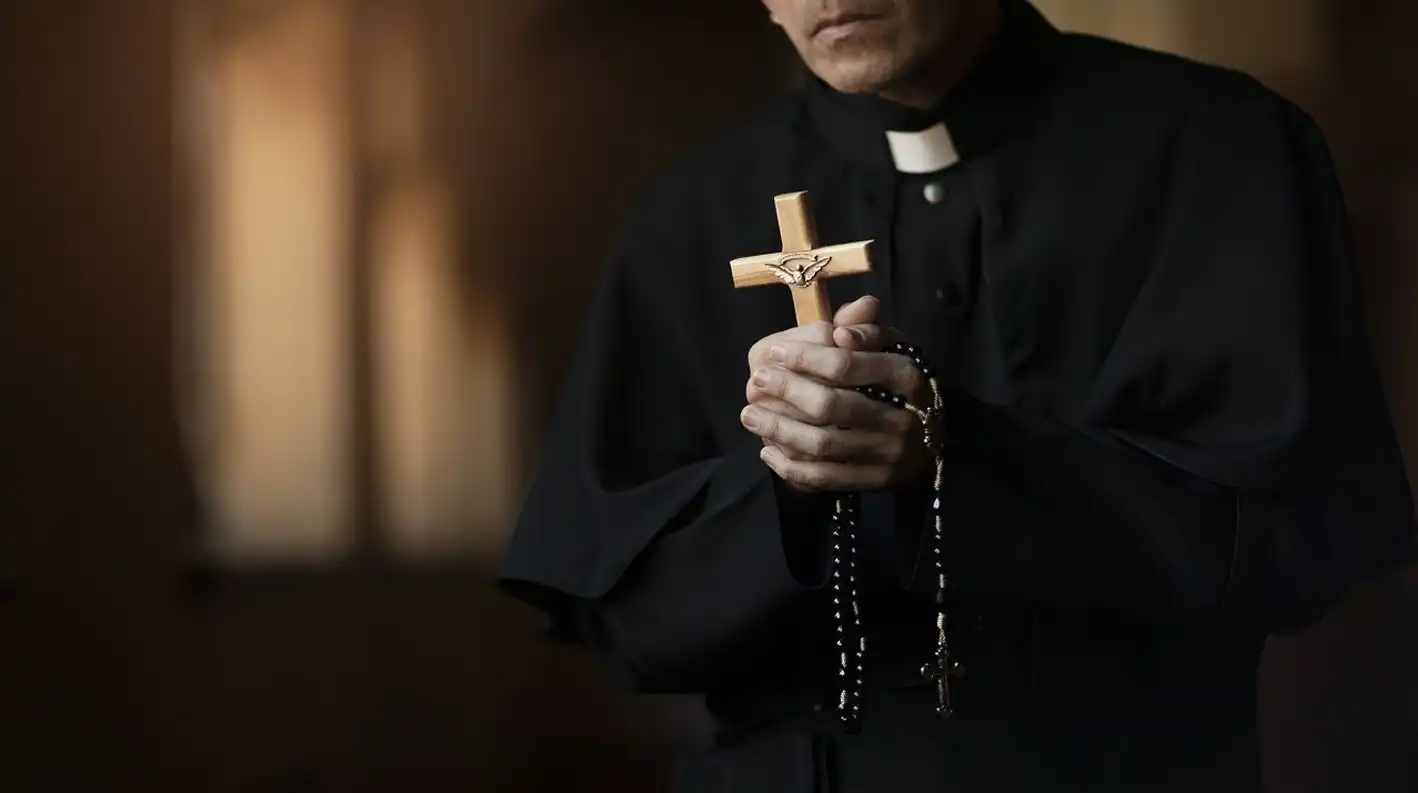

Italy's capital hosted the first-ever National Conference on Pastoral Ministry to LGBT People. Around 200 people took part, including senior Church leaders. We explain why this is a groundbreaking event for the Catholic Church, how bishops plan to change the way they work with the faithful, and what scouts and theology have to do with it.
Table of Contents
What happened, anyway?
On Friday, September 4, 2026, an event took place in Rome that organizers are calling historic. Around 200 people—mostly Catholic priests, as well as representatives of the largest lay associations—gathered in the main hall of the General Curia of the Society of Jesus (the Jesuit order).
The key participants in the meeting were ten Italian bishops, who work directly with LGBT people in their dioceses. The Secretary of the Society of Jesus, Antoine Verhuel, welcomed guests to the Jesuit headquarters, while an official representative of the episcopate conveyed a personal greeting from Cardinal Matteo Zuppi, head of the Italian Episcopal Conference.
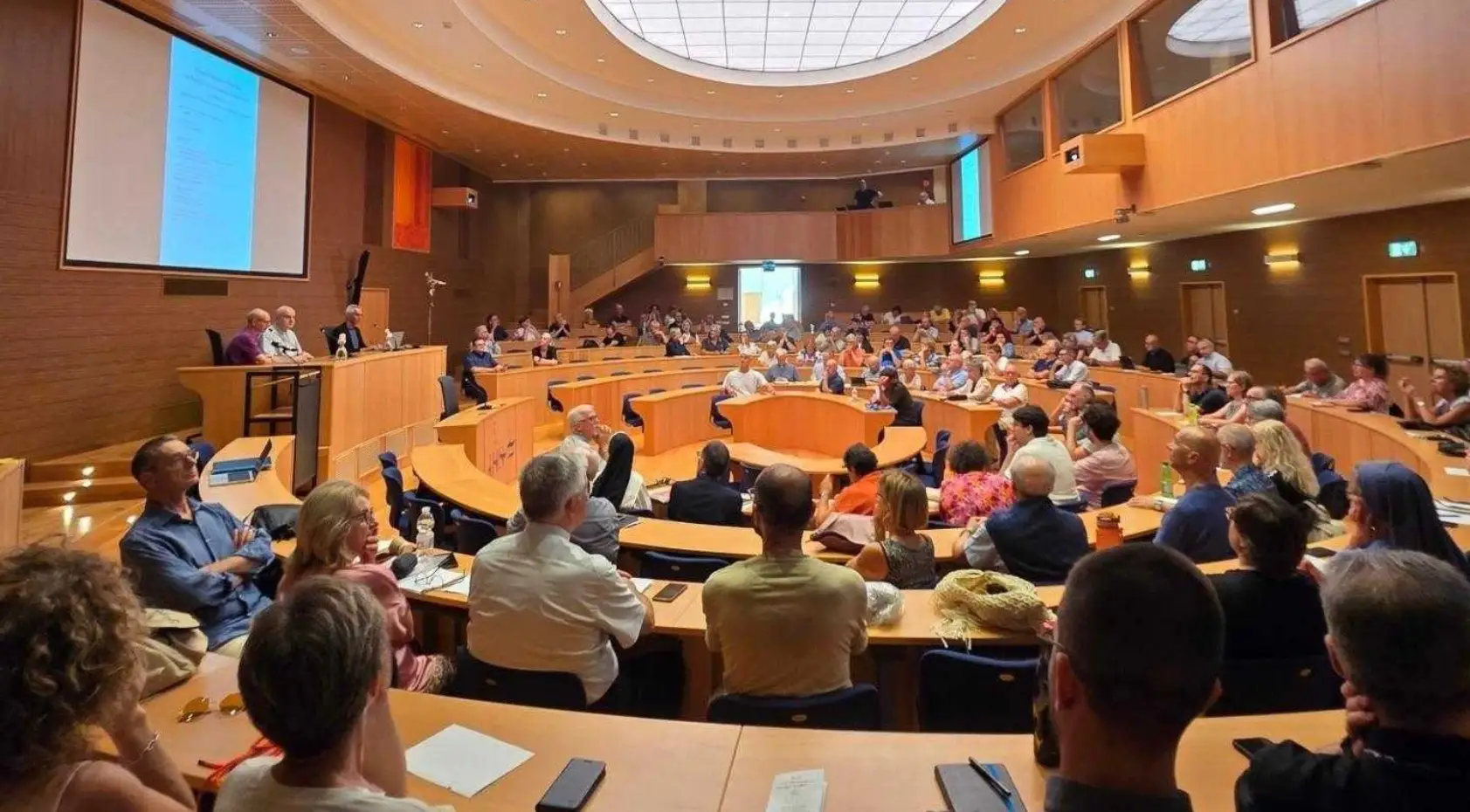
So what did they discuss there? Isn't the Church opposed to LGBT people?
In recent years, attitudes toward this issue within Italy’s Catholic community have been changing, although this process continues to face “difficulties and delays.” At the conference, bishops from four dioceses—Florence, Bari, Cremona, and Chiavari—shared their experiences (“best practices”). In these regions, pastoral ministry with LGBT people has already become part of the normal, everyday life of parishes and diocesan structures.
This means moving beyond simply “overcoming discrimination” toward full recognition and integration of LGBT people into church programs, leadership training, and ministry. Leaders of Italy’s major Catholic movements, including the Italian Catholic Guides and Scouts Association (AGESCI), Catholic Action (ACI), the Federation of Catholic University Students (FUCI), and the Focolare Movement, made the same point.
How do they explain this from a religious perspective?
One of the keynote presentations was delivered by moral theologian Luca Lunardon. He referred to the conclusions of the Synod of Bishops and the so-called “principle of pastoral care”. The idea is that the Church must develop its capacity to understand, accept, and integrate new realities that challenge traditional theology, so that the Gospel remains accessible to people today.
What will change now?
The conference was more than just a declaration of intent. Following the meeting, it was announced that the Italian episcopate is officially moving forward with the development of specific guidelines. Bishop Giampaolo Dianin, who is responsible for this area within the Italian Episcopal Conference, will head a special working group. It will be tasked with preparing official guidelines for pastoral ministry to LGBT people.
For the traditional Church in Italy, where such initiatives were previously viewed with caution, an open discussion involving bishops sharing their personal experiences of integrating LGBT people into parish life is a huge step forward.
Based on materials from the publication “Outreach, an LGBTQ Catholic resource“.







0 comments
Enter your email and we will send you a one-time code. No passwords, no accounts.
Code sent to
If the email does not arrive in your inbox within a few minutes, check your Spam, Junk or Promotions folder — some mail services may wrongly place automated messages there.