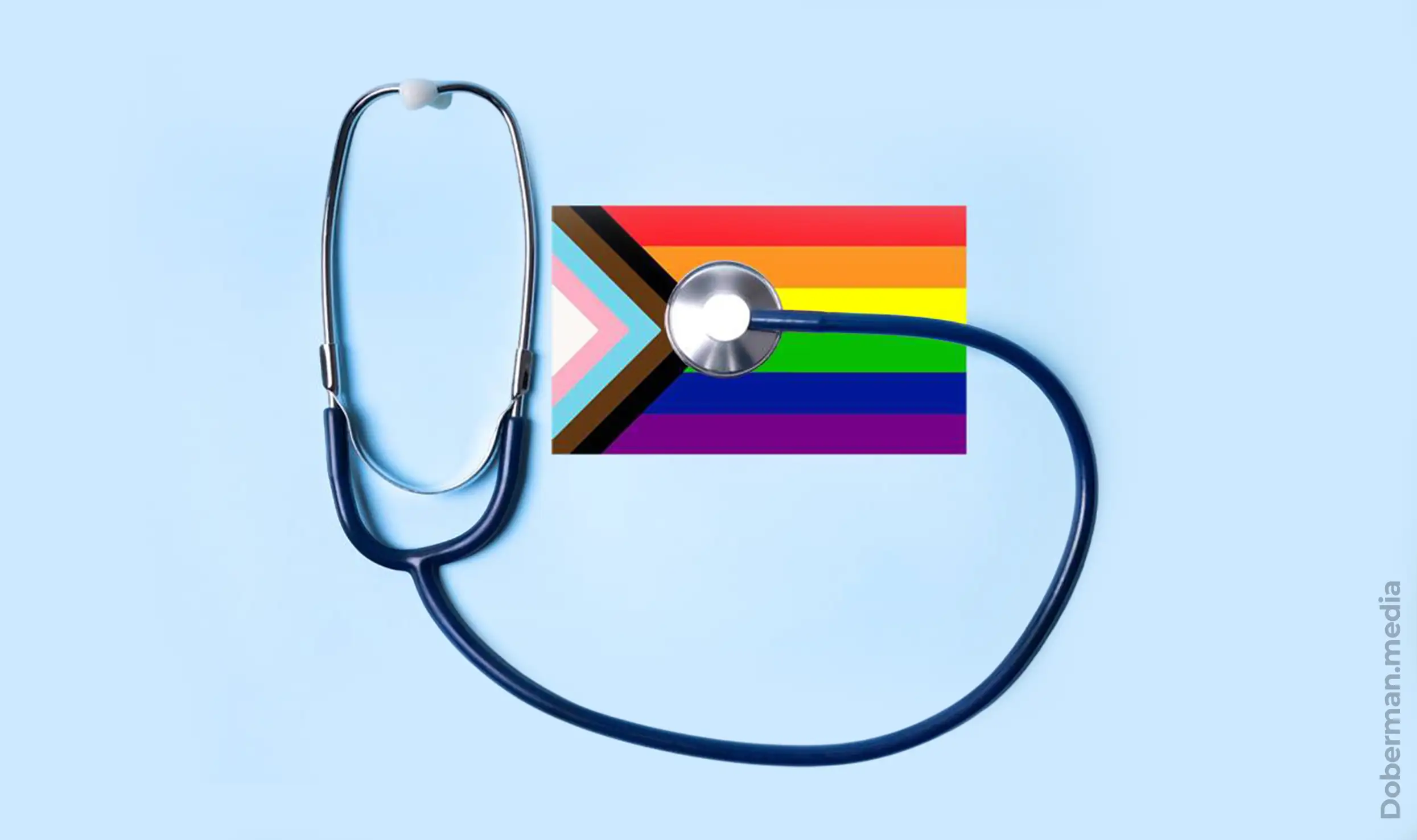

A new KFF survey of about 26,000 people found that LGBTQ+ adults face far greater barriers to accessing and affording health care than people outside the community. LGBTQ+ people also spend significantly more on health insurance.
Doberman Media reviewed the report and summarizes the key findings this of the study.
What exactly did the researchers find?
LGBTQ+ people face significantly greater challenges both in accessing health care services and affording them.
According to the survey, gay, bisexual, and transgender people are almost twice as likely, compared with the rest of the population, to have to forgo prescribed medications. In addition:
- Nearly 6 in 10 LGBTQ+ people reported having to delay or completely skip needed health care due to various barriers. Among people outside the community, that figure is 38%.
- 3 in 10 respondents признались, что с трудом оплачивают счета за медицинские услуги (среди не-ЛГБТК+-населения с этим сталкивается 21%).
Who faces the greatest challenges?
Women and transgender people—they face even greater barriers to healthcare than gay men.
- Nearly two-thirds of LGBTQ+ women reported being unable to make a doctor’s appointment, pay for medical services, or access treatment for other reasons.
- Among transgender people similar difficulties were reported by more than 80% of respondents.
- Для сравнения: среди людей, не принадлежащих к ЛГБТК+, с какими-либо препятствиями при получении медицинской помощи столкнулись лишь 38%.
What causes this inequality?
As previous KFF studies show, a combination of socioeconomic factors and the health status of community members plays a key role. LGBTQ+ people are more likely to have lower incomes and face a broader range of health issues. As a result, their actual need for healthcare is greater, while they have significantly fewer financial resources to pay for insurance, medications, and medical bills.









0 comments
Enter your email and we will send you a one-time code. No passwords, no accounts.
Code sent to
If the email does not arrive in your inbox within a few minutes, check your Spam, Junk or Promotions folder — some mail services may wrongly place automated messages there.