After a 12-year hiatus, the director of "Mysterious Skin" and the ideologist of New Queer Cinema presented his 12th feature film. The plot centers on the sexual initiation of a college graduate, a domineering artist, and a critique of modern Puritanism. We tell you why this film became the most high-profile independent release of the summer.
A picture with the provocative title "I Want Your Sex" (I Want Your Sex) begins as a detective story: 23-year-old Elliot (Cooper Hoffman), inhibited and bloodied, stumbles upon a corpse in a pool. The rest of the narrative is built as a series of flashbacks during an interrogation by the police, which is conducted by ironic detectives played by Johnny Knoxville and Margaret Cho.
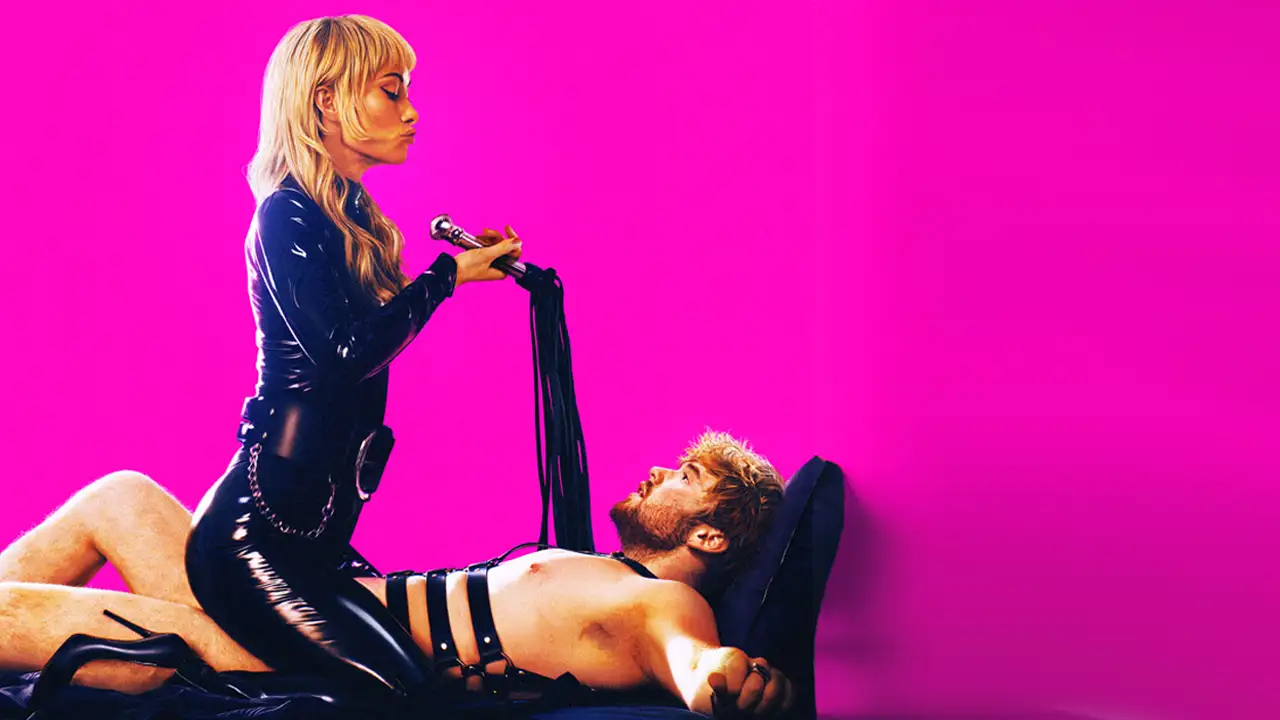
The story revolves around the relationship between Elliot and Erica (Olivia Wilde), a successful and aggressive artist who hires the young man as her assistant. Erica, whose art is comically obsessed with the theme of sex, sees in the "ordinary" Elliot the ideal object for domination and deconstruction. As a result, the characters enter into a BDSM relationship, where Erika takes on the role of a dominatrix, gradually involving the assistant in the world of her radical fantasies.
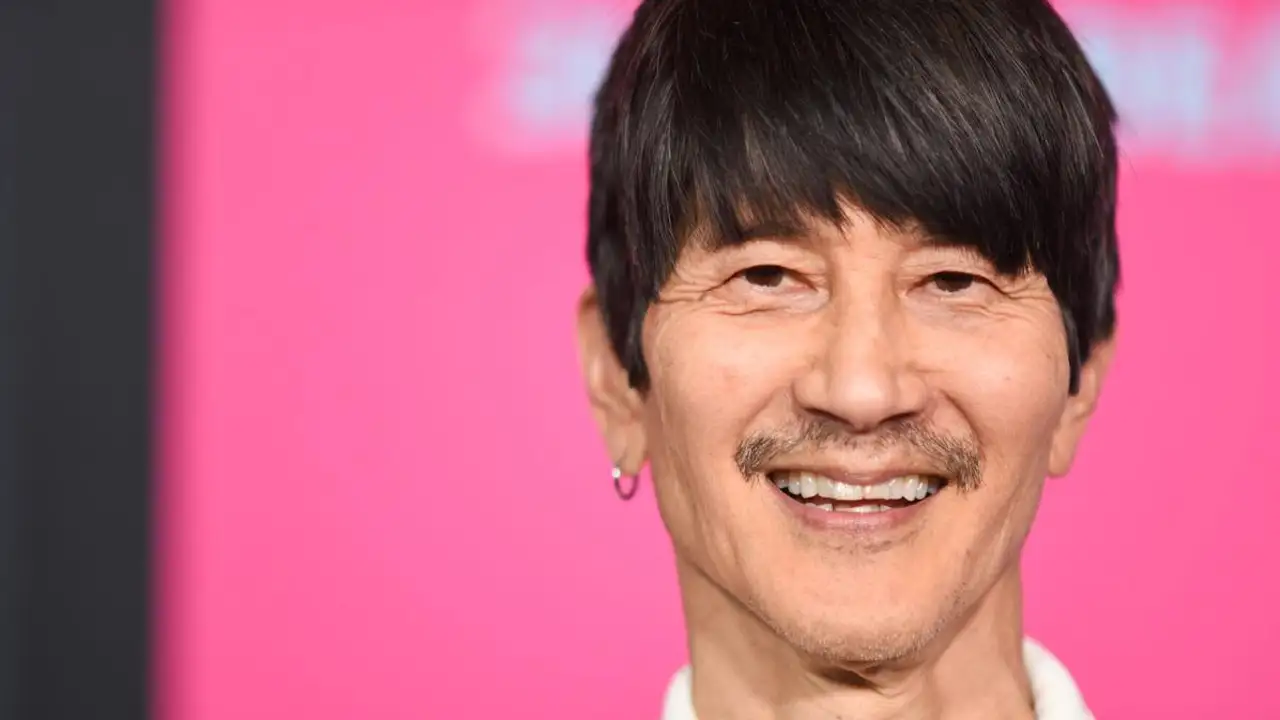
Gregg Araki hasn't released a feature film since White Bird in a Snowstorm (2014). Initially, the script of "I Want Your Sex" was conceived as a comedic version of "50 Shades of Grey" with a change in gender roles, but the project was frozen. Returning to it after the movement of #MeToo, the director revised the concept, making Olivia Wilde's heroine an even more complex and powerful figure.
The main impetus for completing the film was research on the "sexual recession" of Generation Z. Araki, who is now 66 years old, admits that he is worried about young people's fear of mistakes and discomfort in personal relationships. In the film, Erica directly accuses the Elliot generation of puritanism and fear of real intimacy.
The film brought together perhaps the most stellar cast of Araki's career, a testament to Hollywood's acceptance of his anarchic vision.
- Olivia Wilde plays a "charged" version of the director himself - many of her lines are taken from Araki's past interviews.
- Cooper Hoffman embodies the image of a "nice guy" from the zoomer generation.
- Charli XCX She makes her debut as the "boring" girlfriend of the main character, who prefers reading neuroscience textbooks to sex.
Visually, the film retains Araki's signature "punk style": it has humor, explicit scenes (the director describes them as the "R on HBO" level), and satire on the world of commercial art.
Despite its independent film status, the film was released in the United States on 700 screens - this is wider than the recent releases of such veterans of the indie scene as Jim Jarmusch or Nicolas Winding Refn. For Araki, this is not just a comedy, but an act of resistance.
The director connects the current political crisis and the oppression of trans people in the United States with "sexual repression."
"All the horrible shit in the world is because of the repression of sexuality," he says.
The film ends with a Jesse Ware track Free Yourself, which emphasizes Araki's main message: a queer voice should sound loud and unfiltered, especially when right-wing forces try to restrict freedoms.
Critics note that, despite some haste in the finale, the film is a "breath of fresh air" and a triumphant return of the director to form.
In the United States, the film has already been released; The premiere in Europe is scheduled for the end of August.






0 comments
Enter your email — we’ll send you a one-time code. No passwords or accounts.
Code sent to
If the email doesn't appear in your inbox within a few minutes, check your spam, junk, or promotions folder, as some email services may mistakenly place automated messages there