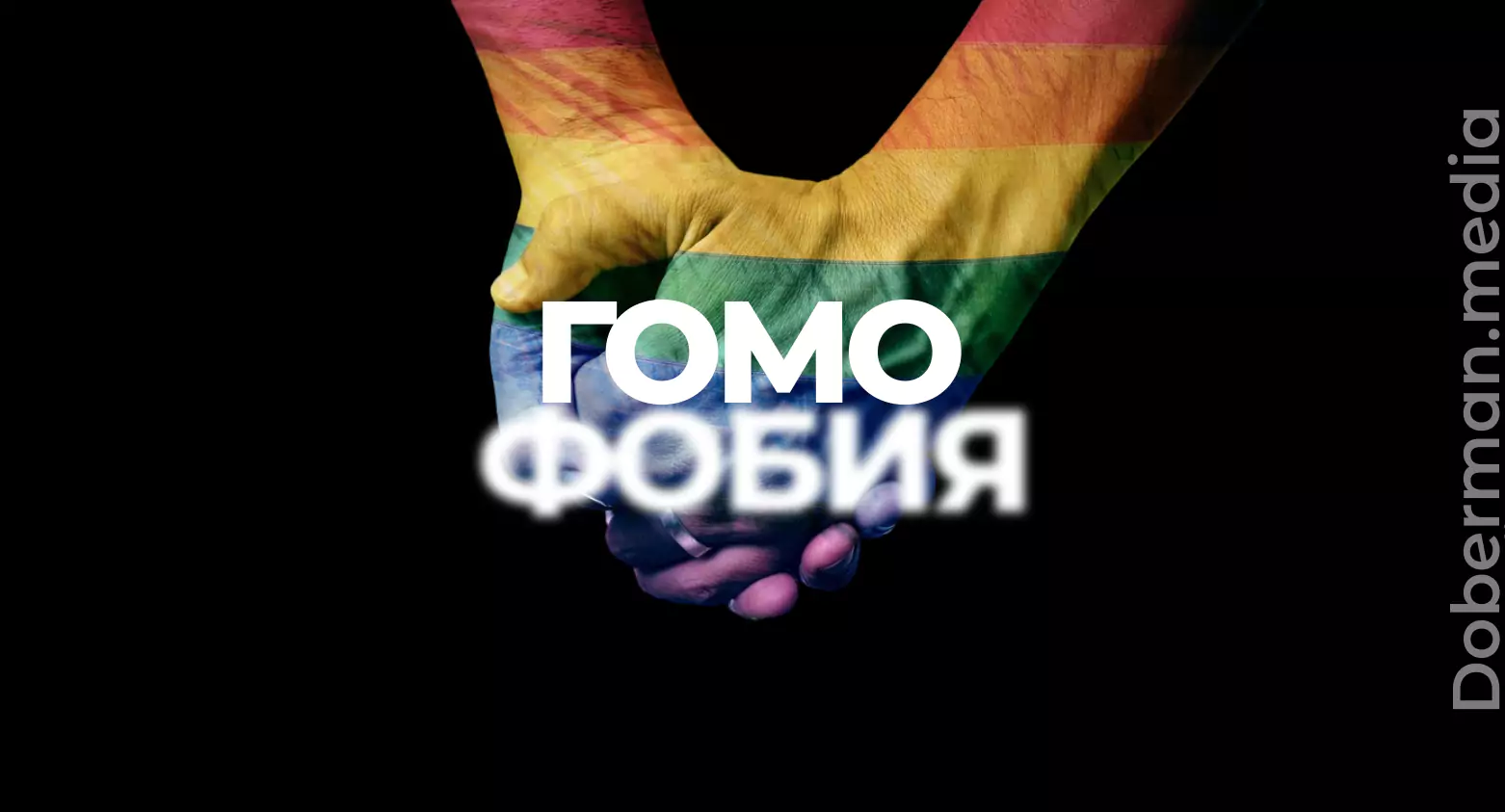

Modern state propaganda in Russia persistently builds a barrier between "us" and "them", opposing certain "traditional values" to Western influence.
In this rhetoric, the sexual freedom of LGBTQ+ people becomes a symbol of "immorality" and "unnaturalness". However, Historical Analysis shows that homophobia in Russia is a relatively recent "invention", and until the XX century, morals in the country were often even freer than European ones.
Table of Contents
Ancient Russia and the Russian Empire: An Era of Relative Freedom
Contrary to modern ideas, the Orthodox Church in Russia did not have such a strict authority on sex issues as Catholic or Protestant institutions in Europe. The sexual culture of the population was more "primitive" and free.
Penalties: In the 16th century, church repentance was usually prescribed for anal sex, and female homosexual contacts were equated with "hand-holding" and were punished only by fasting and bowing.
Perception of foreigners: European diplomats of the 17th century were shocked by how openly and even jokingly "sodomy" was discussed in Russia. Catholic priest Yuri Krizhanich noted that in Russia this "crime" is publicly boasted of in conversations.
Legislation: The first secular punishment was introduced by Peter I in 1706, but it concerned only the army and was copied from the Swedish regulations. For civilians, punishment for sodomy (exile to Siberia) appeared only in 1832, but in practice it was used extremely rarely: for example, in 1884, only 10 people were convicted under this article for the entire empire.
In the aristocratic and intellectual environment, homosexual experience was perceived as part of everyday life. Romantic relationships between men did not interfere with the careers of such figures as Prince Alexander Golitsyn or Count Sergei Uvarov. Same-sex motifs were openly present in Lermontov's work, Tolstoy's diaries, and Mikhail Kuzmin's novel "Wings" (1906) about homosexual love became a real sensation and was reprinted many times.
The Soviet period: from decriminalization to the "crusade"
After the Revolution of 1917, the Bolsheviks abolished criminal punishment for sodomy. Vladimir Lenin spoke in favor of lifting all bans on same-sex love. However, the situation changed radically with Stalin's coming to power.
In the 1930s, Stalin declared "crusade" against sexual culture. Homosexuals were declared "enemies" and "unfavorable elements." In 1934, the criminal article for sodomy was reintroduced, and lesbianism began to be considered a mental illness. Sex and eroticism began to be associated with "decadent Western culture", alien to the Soviet people.
From the "Sexual Revolution" of the 90s to a new ideology
After the collapse of the USSR in the 90s, the world of sex returned to the media space. It was the time of normalization of alternatives to heteronormativity: Boris Moiseev's clips were shown on state channels, and bands like Tatu exploited queer images. The level of homophobia in society began to fall: if in 1989 84% of the population had a negative attitude towards gays, then by the mid-90s — about 50%.
The turning point occurred in 2012, when homophobia was transformed into an element of state ideology.
- Construction of the "Other": The authorities have introduced the categories of "traditional" and "non-traditional" relations, where the latter are automatically stigmatized as "non-Russian" and "gayropean".
- Legislative prohibitions: In 2013, a law banning "propaganda" was passed, effectively marginalizing the LGBT+ community and making it almost impossible to protect their rights.
- The Invention of Tradition: Modern rhetoric appeals to an idealized past, which in fact existed only in the imagination of ideologists. In fact, current politics is Rethinking Soviet Sexophobia in a new national wrapper.
Current situation and what can be done
Today, Russia ranks 64th out of 66 in the ranking of LGBT+ rights in Europe. Of the 76 equality criteria, less than 6 are met in the country.
To change the situation, it is necessary:
- Support Independent publications, such as the gay magazine Doberman Media, which help the community to claim rights and fight violence. [Поддержать]
- Review the gender category system: Homophobia and misogyny will exist as long as heterosexuality is perceived as the only "norm" and everything else as a "deviation."
- To realize the artificiality of "traditions": It is important to understand that the standards imposed today have little to do with the real history of our ancestors. Tradition is not a moral standard, but a political idea used to achieve the actual interests of power.








0 comments
Enter your email — we’ll send you a one-time code. No passwords or accounts.
Code sent to
If the email doesn't appear in your inbox within a few minutes, check your spam, junk, or promotions folder, as some email services may mistakenly place automated messages there