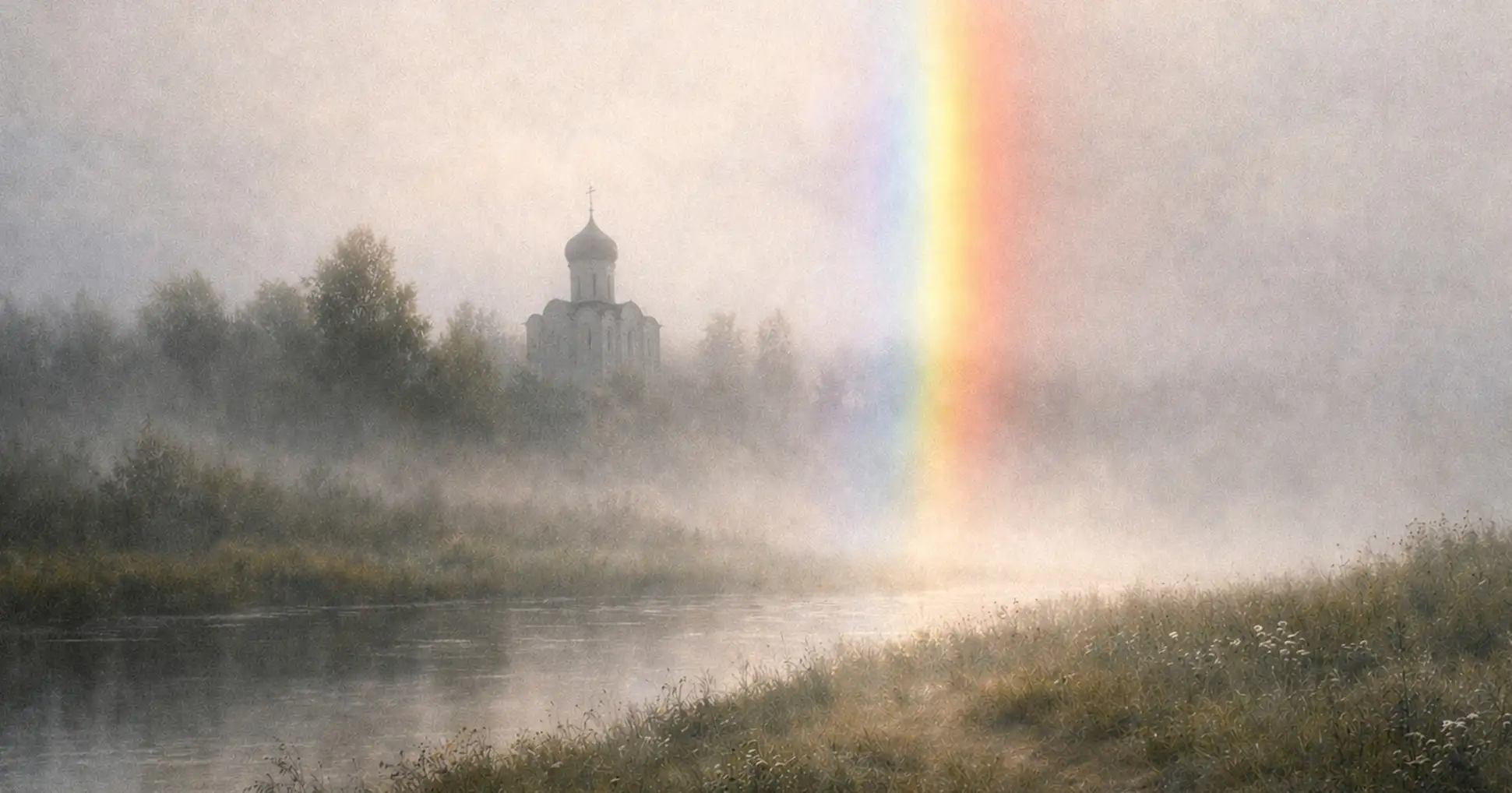

The history of the LGBT community in Russia shows that The traditional values of the past were much more flexible and liberal...than is generally believed today. Contrary to the claims of modern propaganda that same-sex relationships are a “newfangled Western trend,” historical sources point to a long period of relative tolerance in Russia.
Table of Contents
Ancient Rus' and the Middle Ages: A Gentle Way of Life
Unlike in Europe, where sodomy was punishable by death by burning, in Russia For a long time, there were no specific federal laws targeting gay men and lesbians. The condemnation came solely from the church, but it applied to any sexual practices outside the “missionary position,” not just same-sex relationships. Church penance for sodomy ranged from 1 to 7 years, which was comparable to the punishment for heterosexual transgressions and even milder than that for alcoholism.
Foreign travelers, such as George Turberville, were surprised by the free-spirited nature of Russian peasants. Even at the court of Tsar Ivan the Terrible, same-sex relationships were no secret: his favorite Fyodor Basmanov often dressed up in a woman's dress and danced before the tsar...which was reflected in the accounts of contemporaries and in later art. On the whole, society turned a blind eye to such relationships, considering them a private matter.
The Imperial Period: From Peter I to the Silver Age
The first official bans were introduced during Peter I, which copied European military codes that prescribed burning at the stake for sodomy. However, this law concerned only the military, and in reality, no one was burned at the stake; later, the punishment was replaced with flogging. Outside the army, same-sex relationships were viewed as a common occurrence. For example, Empress Elizabeth Petrovna hosted “Metamorphosis Balls,” where men and women swapped clothes.
In the 19th century, the situation became more complicated:
- In 1832, a code was adopted, which imposes a 4–5-year exile to Siberia for sexual contact between men.
- Despite this, same-sex romantic feelings were widespread in boarding schools (lyceums, boarding schools), a phenomenon reflected in the works of Pushkin and Lermontov.
- Celebrities and influential people were treated with leniency. For example, Prince Vladimir Meshchersky enjoyed the emperor's favor, despite the scandals involving his lovers, and Count Felix Yusupov openly performed in drag at a cabaret.
The Silver Age became a golden age of openness. The first works about lesbian love appeared (by Lydia Zinovieva-Anibal), and the poetess Marina Tsvetaeva She was openly in a relationship with Sofia Parnok.
The Soviet Period: From Freedom to Repression
After the 1917 Revolution The Soviet government repealed all laws criminalizing gay people, considering traditional morality a bourgeois relic. In the 1920s, Petrograd even hosted “men’s weddings” featuring sailors and Red Army soldiers dressed in women’s dresses.
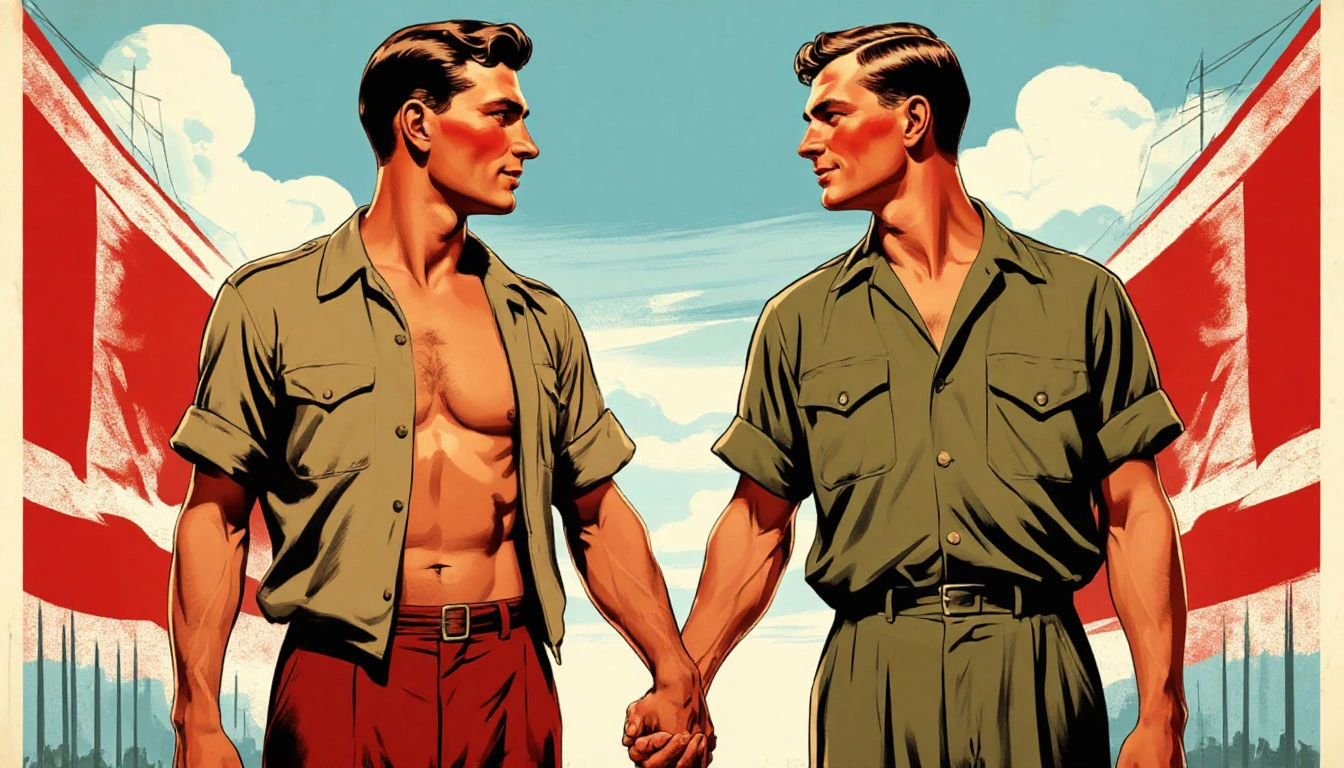
Everything changed when they came to power Stalin's:
- In 1933–1934, sodomy once again became a criminal offense (up to 5 years in prison).
- Accusations of homosexuality became a tool for political purges (the case of diplomat Florinsky; the arrest of singer Vadim Kozin following a quarrel with Beria).
- A brutal culture of violence took root in prisons and the Gulag, where homosexuals were treated as “third-class citizens.”
Even during the “thaw,” the number of cases against gay people rose by 40%. The KGB used sexual orientation to put pressure on cultural figures, such as the director Sergei Parajanov.
Modernity and “Traditional Values”
The criminal prosecution was discontinued only in May 1993 after the collapse of the Soviet Union. In the 1990s, levels of homophobia began to decline, and human rights organizations and specialized media outlets began to emerge.
However, since the early 2010s, Russia has undergone a sharp shift toward conservatism. According to sources, today’s slogans about “time-honored traditions” contradict the country’s actual history, since For centuries, Russian society has been much more tolerant of LGBT culture...than Stalinist ideology, which forms the basis for the current bans.








0 comments
Enter your email — we’ll send you a one-time code. No passwords or accounts.
Code sent to
If the email doesn't appear in your inbox within a few minutes, check your spam, junk, or promotions folder, as some email services may mistakenly place automated messages there