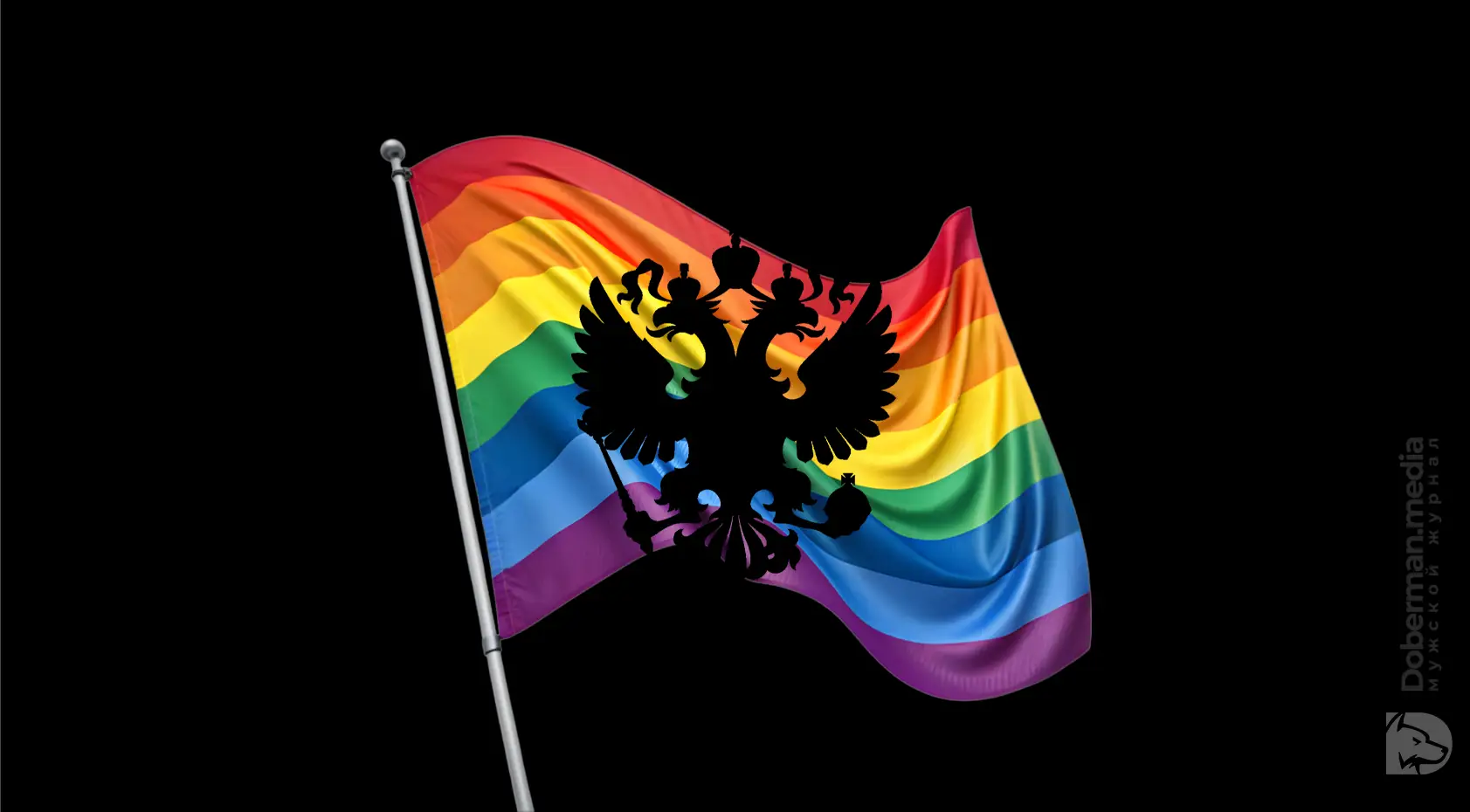

In Russia itself, the "international LGBT movement" is recognized as extremist, and trans-transition is completely prohibited. However, now the Russian authorities are using these repressions not only for internal control, but also as an "exportable mechanism" of influence on neighbors. We will tell you how the Russian anti-LGBT agenda is taking over Central Asia and Eastern Europe and why local politicians find it so convenient.
The main thing is the "persecution infrastructure"
Russia has built a legal system that makes the lives of queer people unsafe, and this model is easily copied by other countries. Experts identify three main levers of this system:
Legal uncertainty: The wording of the laws on "propaganda" or "extremism" is so vague that any action can be adjusted to them.
Destruction of Assistance: criminalization of organizations and NGOs that provide legal or psychological support.
Transnational pressures: persecution of activists even outside the country.
Central Asia: "Colonial Pressure" and Copy-Paste of Laws
The countries of the region often copy Russian norms almost verbatim.
Kyrgyzstan: In 2023, a law on "propaganda" similar to the Russian one was adopted here, and in 2026 they started talking about a ban on trans-transition. Due to the raids and pressure, the country's largest queer organizations, such as Kyrgyz Indigo and Labrys, were forced to close or go underground. According to experts, the adoption of such laws for local authorities is a way to demonstrate loyalty to Moscow, on which the country depends economically.
Kazakhstan: At the end of 2025, a ban on "LGBT propaganda" was also approved here. Activists note that Russia's war against Ukraine and economic ties only strengthen the Kremlin's influence: "Russia understands that it does not need to occupy us, because we are already in its pocket."
Tajikistan, Turkmenistan and Uzbekistan: In these countries, same-sex relations have long been criminalized, but now the authorities have begun to use articles on "distribution of pornography" to prosecute personal correspondence and photos on phones.
Europe: The Struggle for "Traditions" as a Barrier to the EU
In Eastern Europe and the Baltics, Russian narratives are used by conservatives and pro-Russian politicians:
Georgia: Discussions about LGBTQ+ rights are directly linked to the issue of European integration. The authorities are using the example of Hungary to prove that it is possible to be in the European Union and at the same time adopt homophobic laws "with honor", protecting traditions.
Lithuania: Local conservatives proposed to enshrine in the Constitution the status of the family only as a union of a man and a woman, in fact repeating Vladimir Putin's 2020 amendments.
Moldova: Before the elections, pro-Russian forces actively spread fakes that European parties would allegedly impose "LGBT ideology" in schools. Activists say that it is extremely difficult for brainwashed people to explain the benefits of European integration through the prism of human rights.
Belarus: In 2026, Aliaksandr Lukashenka signed a law on liability for "LGBT and childfree propaganda". Researchers believe that this may be just a "decorative gesture of unity with the Russian world," but the security forces are already using it to put pressure on the relatives of the activists who left.
Why does it work?
Russian propaganda successfully sells the idea that LGBTQ+ rights are "Western expansion" alien to local peoples. Politicians use queer people as a convenient tool: they scare voters to distract them from economic problems or justify the fight against NGOs.
Is there any hope for resistance?
Despite the repression, the community finds ways to survive:
In Russia, despite the bans, more and more "friendly" psychologists and lawyers are joining assistance programs, and parents of queer teenagers are creating support groups.
In countries where NGOs are banned, assistance is moving online or coordinated by international organizations.
Cultural projects such as the festival Queer Voices in Moldova or pride events in Vilnius, help fight stigma through empathy and personal stories, not through dry reports.
According to human rights activists, the Kremlin's main goal is to divide civil society into "acceptable" and "extremist." The only way to counter this is to avoid such isolation and remember that LGBTQ+ rights are part of basic human rights that concern everyone.
The material was prepared on the basis of the publication of Current Time: "Hate for Export: Russia, LGBTQ+ in Europe and Asia". Original: https://www.currenttime.tv/a/nenavist-na-eksport-rossiya-lgbtk-v-evrope-i-azii/33776085.html








0 comments
Enter your email — we’ll send you a one-time code. No passwords or accounts.
Code sent to
If the email doesn't appear in your inbox within a few minutes, check your spam, junk, or promotions folder, as some email services may mistakenly place automated messages there