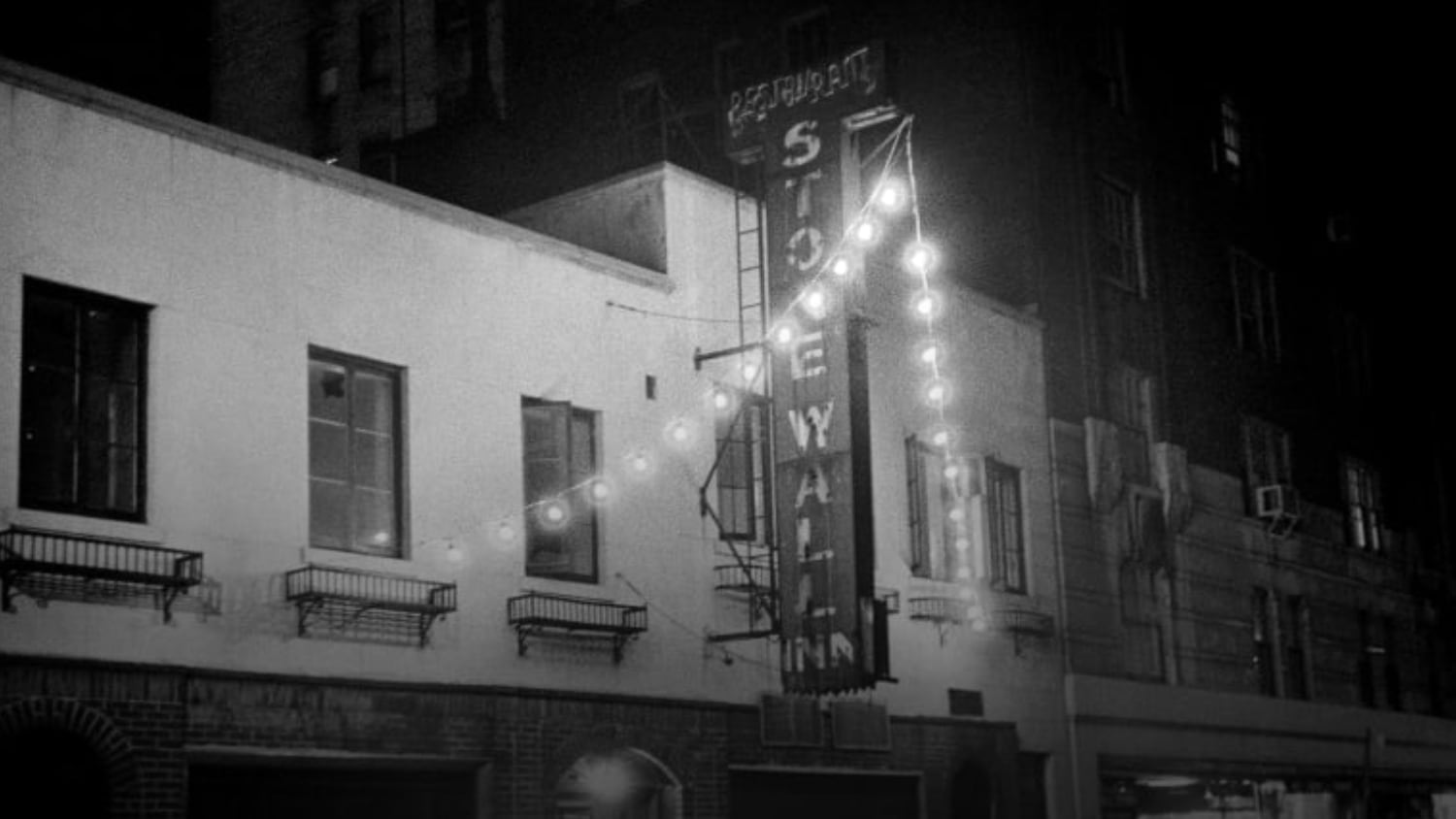

For many of us, going to a bar is a way to unwind after work, flirt, or dance to our favorite songs. But if we take a look back at history, we’ll see that Gay bars have never been just places to drink. They served as community centers, command centers for organizing protests, and survival networks.
As political analyst John McCray Jones aptly noted, the role of the gay bar in the LGBT+ rights movement is comparable to that of the Black church in the U.S. civil rights movement. It was a place for political education, radicalization, and, above all, salvation.
Table of Contents
Prohibition and the First Signs of Freedom
Ironically, the roots of modern queer nightlife in America go back to the era of Prohibition. In the 1920s, speakeasies in cities such as New York, Chicago, and San Francisco were far less socially restrictive than the rest of society. Since these establishments were already breaking the law by selling alcohol, their owners were often willing to turn a blind eye to their guests’ “non-conforming” gender expression or sexual orientation. It was in this atmosphere of lawlessness that the first semi-public spaces for the queer community emerged.
However, after Prohibition was repealed in 1933, the situation took a sharp turn for the worse. The government began to strictly regulate nightlife through a licensing system. The laws of that time enforced conservative norms: Bars that allowed same-sex dancing or openly welcomed queer people risked having their licenses revoked permanently. This pushed our community out of “legal” life, forcing us to create our own spaces, hidden from the eyes of the majority.
War and "Chosen Families"
The second important milestone was World War II. Millions of people were torn away from their small towns and traditional family structures to serve in the military or work in war-time factories. For many, it was the first time in their lives that they had met other openly LGBT people.
After the war, many people did not want to return home and settled in large cities, where underground communities began to form. Bars once again became the center of these communities. There, people could:
- To explore one's identity;
- Look for partners;
- Share important information;
- Build "chosen families" in a society that rejected them.
In a country where being open about one’s sexual orientation could cost someone their job, home, or freedom, these bars became true “lifelines.”
From the Shadows to the Front Lines: How the Dance Floor Became Political
In the 1940s and 1950s, against the backdrop of postwar conservatism, homophobia in the United States only intensified. Queer people were forced to live in isolation, but it was precisely this pressure that drove them to come together in the same places. And when a marginalized group of people gathers time and again in the same space, This space inevitably becomes political.
Wisconsin's history has preserved the names of places such as Gale’s Bar (opened in 1955), Black Nite and This Is It!. Many of them operated through back channels, relying on a system of passwords and word-of-mouth recommendations. Being seen in public during those years was a deadly risk.
Stonewall and Its Legacy
We often forget that Stonewall was a bar. The movement for the liberation of queer people began right there, because at that time the community simply had no other place where it could have taken root.
Today, as we see rainbow flags on building facades, it’s important to remember: Pride is a celebration, but above all, it is a protest. It began as a protest against police brutality inside a nightclub.
Gay bars were the “infrastructure of the community” long before society recognized us as human beings. And today, when you order a cocktail at your favorite bar, it’s worth remembering that you’re in a place that was once the only bastion of freedom in a world full of prohibitions.






0 comments
Enter your email — we’ll send you a one-time code. No passwords or accounts.
Code sent to
If the email doesn't appear in your inbox within a few minutes, check your spam, junk, or promotions folder, as some email services may mistakenly place automated messages there