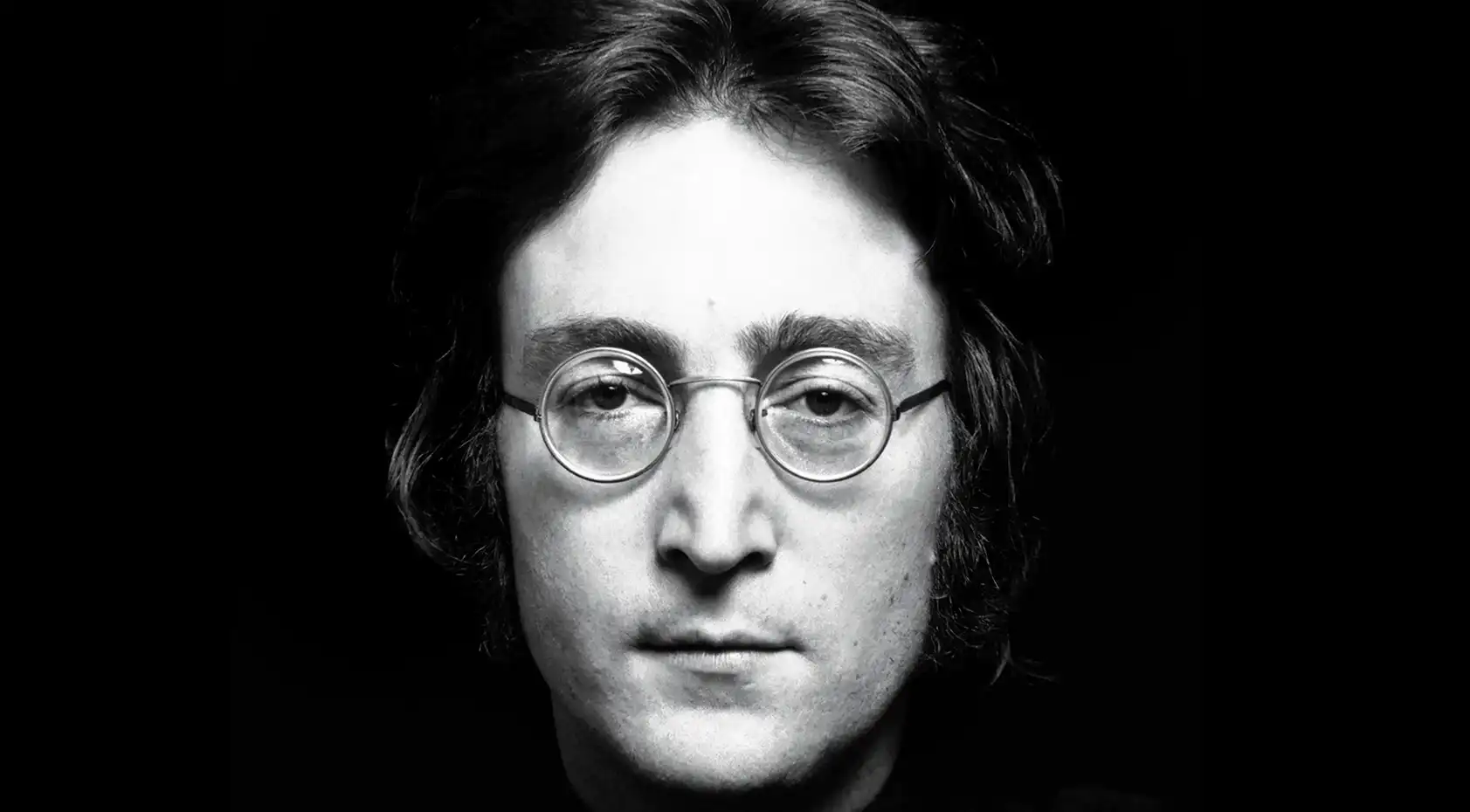
Yoko Ono called Paul McCartney immediately after Chapman fired four bullets into John Lennon at the entrance to the Dakota. Not a week later, not a month later—right away. And of all the things she could have said at that moment, this is what she chose: "You know, I think John might have been gay."
Paul paused. Then he replied cautiously, “I don’t think so. At least—not when I knew him.” And for some reason, he added that he and John had slept in the same bed very often while on tour—and nothing ever happened.
There are words that are spoken in a whisper—and that people have been too afraid to say out loud for decades. In 2015, Paul McCartney gave an interview Vanity Fair, published only recently, 11 years later—to coincide with the release of the documentary *Man on the Run* about his life after the Beatles. And in this interview, a story came to light that made the whole world ask: Who was John Lennon—one of the 20th century’s leading cultural iconoclasts—really?
December 1980. John Lennon was shot and killed outside his New York home. Yoko Ono—shocked and heartbroken—nevertheless begins calling her loved ones. One of the first people she speaks to is Paul McCartney. And here’s what she tells him:
"You know, I think John might have been gay."
McCartney was at a loss. "I'm not sure", — he replied cautiously. And he explained: he and John had lived through the wild ’60s, when girls were a dime a dozen; they often shared a room while on tour — and never, not a single hint, gesture, or glance. "I didn't have the slightest reason to think that."", Sir Paul concluded.
Rumors about Lennon’s possible homosexuality have always been inextricably linked to the name Brian Epstein—the man who introduced the Beatles to the world. Epstein was gay—at a time when that was a criminal offense in the United Kingdom. He adored John and looked up to him, and some biographers have suggested that this admiration went beyond the professional.
It is noteworthy that Lennon himself gave mixed answers over the years when asked about his relationship with Epstein—neither confirming nor denying it. Paul McCartney is blunt: personally, he doesn’t believe there was anything between them. But who knows what went on behind closed doors in an era when the very word “gay” didn’t yet exist in its modern sense?
Let's be honest. The 1960s were a time when homosexuality was a criminal offense in Britain until 1967. Literally. Prison. So when people tell us "No way, he's definitely not gay—there were so many girls around." — We nod and think: Well, of course. That's exactly how it worked.

Lennon was a man who spent his entire life rebelling against labels. He wrote about a world without borders, without religions, without wars. He wore women’s clothing on album covers. He staged “bed-ins” with Yoko—actions in which the very concept of physicality and intimacy became a political statement. Was he gay, bisexual, or simply a person who felt constrained by any kind of framework? Perhaps that is the most accurate answer.
Yoko Ono herself—at 93—has long been an icon for the queer community. An avant-garde artist, feminist, and pacifist, she has always lived outside the mainstream and has never apologized for it. She was accused of breaking up the Beatles, of manipulation, and of eccentricity. But it seems she was the first to dare to ask the question that many were afraid to even think.

Before John, she was with the Japanese avant-garde composer Toshihiko Itiyanagi, and then with film director Anthony Cox, with whom she had a daughter, Kyoko. A woman who has transformed her life three times—and isn’t afraid to rethink even its most pivotal chapter.
83-year-old McCartney has been surprisingly candid lately. In the same series of interviews, he admitted that he had accepted the criticism regarding the breakup of the Beatles: "When everyone was saying that I was unbearable and that I was the one who ruined everything—I actually agreed with them.". This is a quality rarely found in rock legends—vulnerability without self-pity.
At the London screening of *Man on the Run*, he was moved to tears when he saw his late wife, Linda, on screen—she had died of cancer in 1998. "She's so beautiful. So cool. All of this—the kids, Linda, John, the music—it's like life flashing before my eyes.".
The story about Yoko’s phone call isn’t some tabloid sensation. It’s a reminder of how many great people of the past lived in a world where there were no words for their feelings, no safe space for their desires. Lennon sang All You Need Is Love in 1967—two months before same-sex relationships were decriminalized in his country—and perhaps he himself couldn’t quite figure out what kind of love he was missing.






0 comments
Enter your email — we’ll send you a one-time code. No passwords or accounts.
Code sent to
If the email doesn't appear in your inbox within a few minutes, check your spam, junk, or promotions folder, as some email services may mistakenly place automated messages there