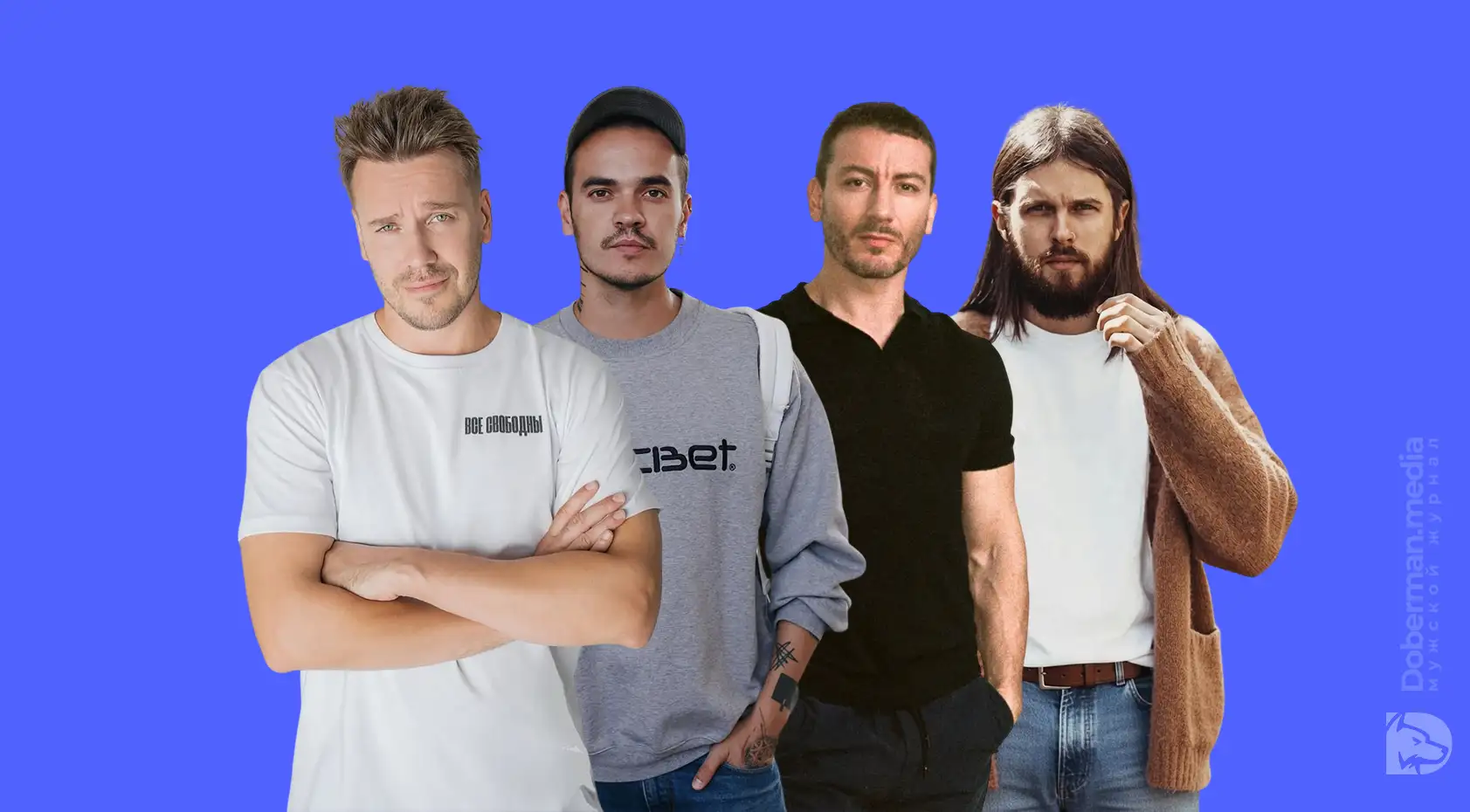
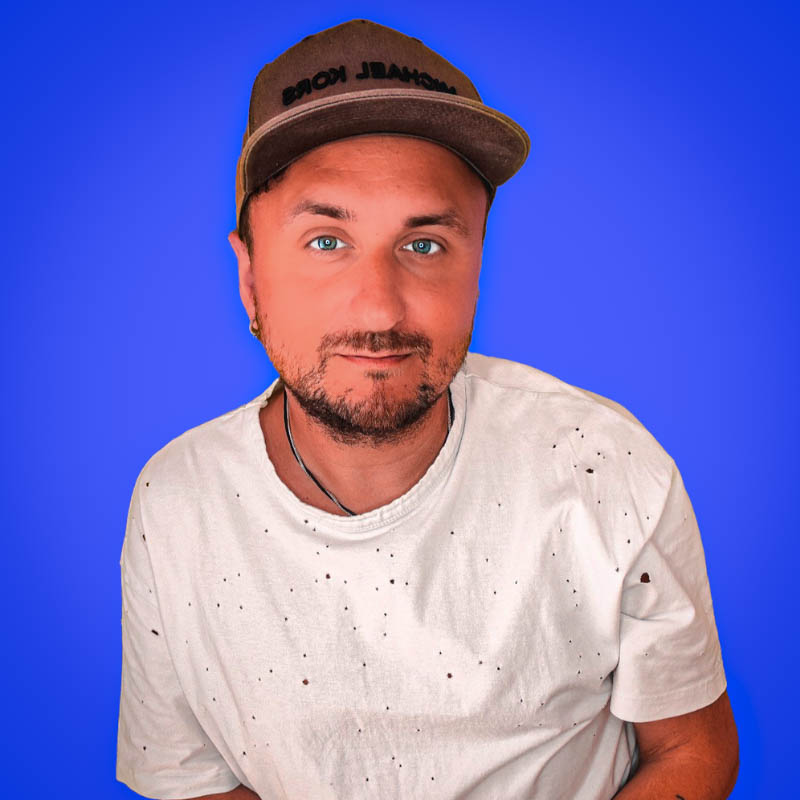
For a long time, there were no “out” celebrities in Russia and the CIS countries—not because there weren’t any, but because of the dangers of coming out publicly. Television remained silent, the entertainment industry limited itself to hints, and the political sphere pretended that LGBT issues did not exist. However, every time a public figure decided to say “I’m gay” or “I’m a lesbian,” it became not just a personal fact of their biography, but a powerful social and ideological statement.
We take a closer look at how the stories of Mikhail Zygar, Pavel Lobkov, Daria Kasatkina, and other well-known figures challenged stereotypes—and what price they had to pay for it.
Table of Contents
Mikhail Zygar: Normalization Through Intelligence
Mikhail Zygar is not just a media personality, but an influential journalist, writer, and former editor-in-chief of the Dozhd TV channel. His coming out sent an important message to the entire post-Soviet space, as it shattered the stereotype of gay men as “caricatures” or showmen.
Zygary did not turn his coming out into a spectacle; he spoke about his sexual orientation in interviews and on social media as a matter of course. In 2022, news broke of his marriage to Jean-Michel Shcherbak—the ceremony took place outside of Russia, a symbolic gesture against the backdrop of increasing censorship and repressive legislation. His story is an example of how one's sexual orientation does not preclude professionalism or the status of a serious political thinker.
Pavel Lobkov: Breaking the Double Taboo
In 2013, when Russia passed a law on “gay propaganda,” journalist Pavel Lobkov took an action whose significance cannot be overstated. Not only did he come out, but he also publicly disclosed that he is HIV-positive, a status he has lived with since 2003.
Lobkov brought together two of the most powerful stigmas and showed viewers that behind them lies a normal, educated, and calm person. This story was not about activism, but about human integrity, which gave society the necessary “visibility” of a mature and successful gay man. Despite the risks, Lobkov continued to work in his profession, proving that coming out does not always lead to immediate expulsion.
Renat Davletgildeev and Karen Shainyan: Struggling Within the System and Creating New Media
History Renata Davletgildeeva — This is a story about the price of truth. While working within the Russian mainstream media, he not only openly declared his identity but also spoke out about harassment by a high-ranking official. This turned his coming out into a direct confrontation with the authorities.
Karen Shainyan took a different path, making his queer experience part of his professional work. His project Just Got Lucky became a platform for normalizing dialogue. For Shainyan, coming out became the foundation of his media practice, but after the laws were tightened, he was also forced to emigrate, as the environment for his work in Russia had become unsafe.
Stay updated on the project Just Got Lucky You can do it on our QueerTube service.
Anton Krasovsky: The Most High-Profile and Controversial Case
Anton Krasovsky’s coming out in January 2013 on the program “Against the Current” was one of the first such public declarations at the federal level. The phrase "I'm gay, and yet I'm just as much a person as President Putin." It caused a stir, and the journalist was fired almost immediately after the broadcast.
However, Krasovsky's subsequent career at RT and his staunchly pro-government stance drew sharp criticism from the LGBT community. He remains one of the most controversial figures: He was one of the first openly gay figures in the media, but his political views sparked a deep public controversy.
Sports and Politics: Sergey Troshin and Daria Kasatkina
While coming out in show business is a reputational risk, in politics and sports it is a direct challenge to the system.
Sergey Troshin, a politician of regional significance, made an independent statement, which, within the Russian system, automatically became an ideological gesture.
Daria Kasatkina In 2022, she became the first active top Russian female athlete to publicly announce her relationship with a woman. Although the tennis player now lives and trains abroad, her career and international contracts remain intact, and her decision was a significant act of courage.
Evgeny Kalinkin. YouTube as a Space for a New Kind of Sincerity
For the new generation of media, which includes bloggers Evgeny KalinkinComing out no longer seems like something out of the ordinary. It’s no longer a story about a federal scandal, a firing, or “the end of a career.” Online, personal honesty has long been part of one’s image. People view identity not as a sensation, but as a routine fact of one’s life story.
While for Pavel Lobkov, coming out was a direct challenge to the system and state television, for Kalinkin it is an entirely different gesture. Rather, it is an expression of a newfound sincerity. Not a protest for the sake of protesting, but a calm affirmation: being yourself isn’t as scary as it used to be. And hiding something from your audience feels far less natural than speaking honestly.
His coming out wasn’t accompanied by sensational headlines or scandals. He simply talked about his sexual orientation in interviews and in his own videos as calmly as he would about any other aspect of his life—without drama and without any desire to shock anyone. Just as if it were part of his story.
Why is this important?
Each of these people, at different times and under different circumstances, chose honesty over the “culture of invisibility.” In a context where homosexuality is often used as a tool of humiliation, the very act of coming out becomes a political risk.
These stories change society not through loud slogans, but by demonstrating that queer people are professionals, intellectuals, and leaders in their respective fields. The moment when fear gives way to the desire to be oneself pushes the boundaries of what is possible for everyone else.
To learn more about these stories of courage and the price that public figures pay for their openness, watch the video on the channel "Aesthetes in Queer History" — a partner of the publication Doberman.media. In this episode, the author takes an in-depth look at the journey of those who have decided to shatter the “culture of invisibility,” turning personal confessions into a significant public moment and an ideological statement. Watch the video below ▼
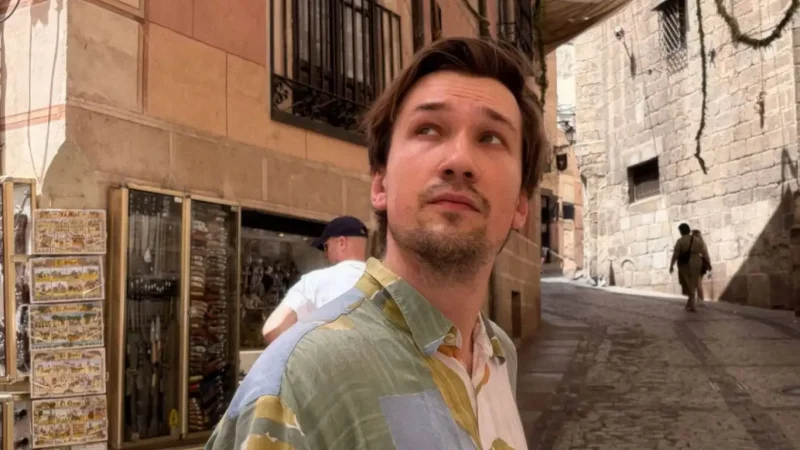






0 comments
Enter your email — we’ll send you a one-time code. No passwords or accounts.
Code sent to
If the email doesn't appear in your inbox within a few minutes, check your spam, junk, or promotions folder, as some email services may mistakenly place automated messages there