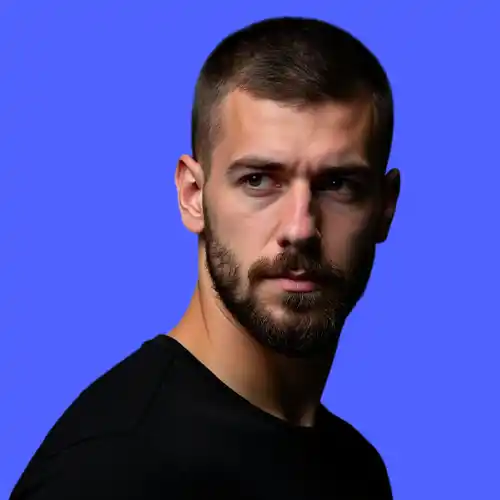
This text is a personal story from a Doberman.media reader. We are publishing it as is because stories like this speak louder than any editorial changes. If you’d like to share your story, please send it to us via the form on our website. [Выслать свою историю или готовую статью]
When Russia passed the “propaganda” law, I realized that my life would never be the same again. That law turned me and others like me into second-class citizens. As the years went by, the pressure grew stronger and stronger, and it became increasingly dangerous to speak openly about myself.
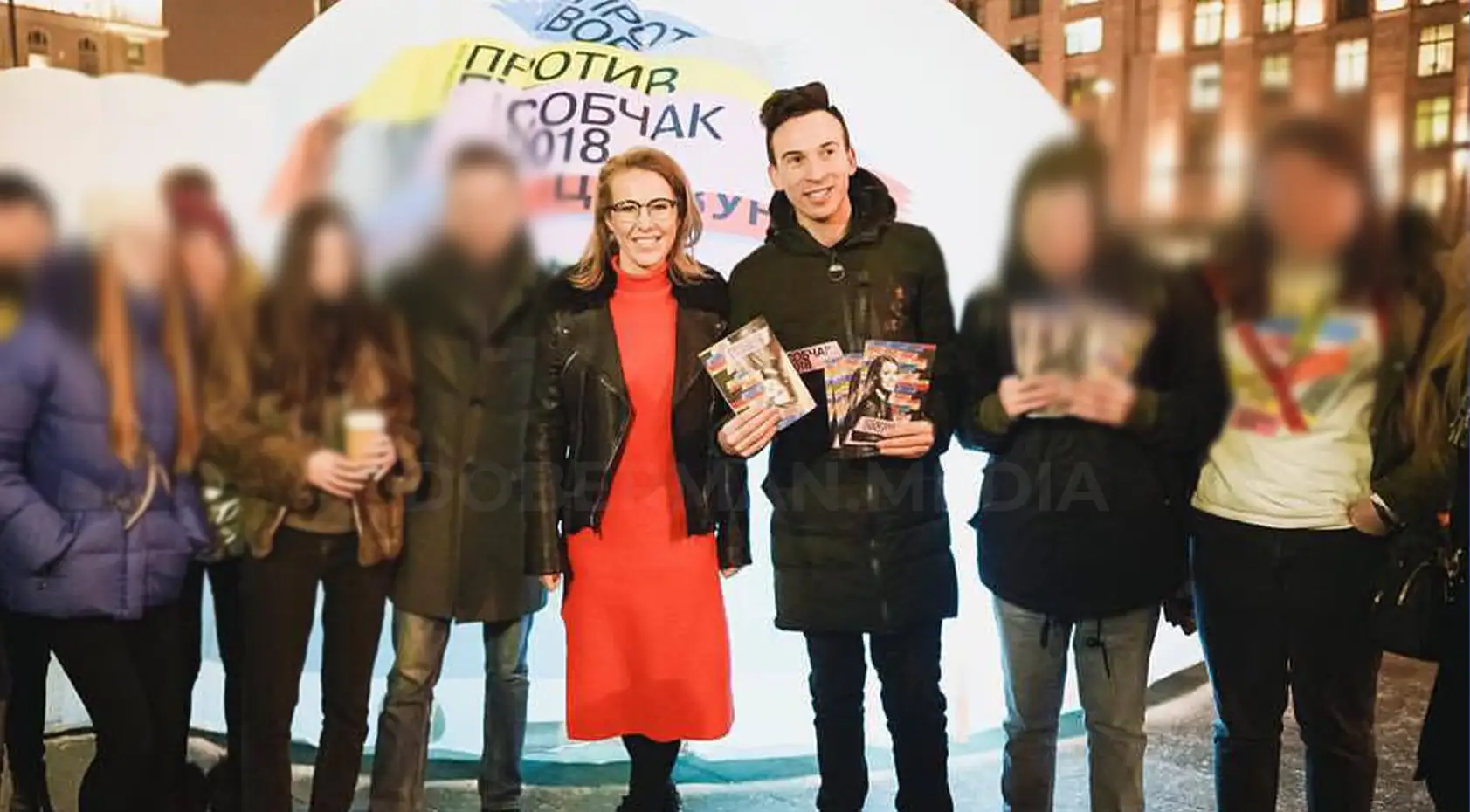
My field of study in Russia was public relations. Ever since college, I’ve been actively involved in community life: I served as an election observer in local elections and always tried to get involved and help out. I also had the opportunity to work at Ksenia Sobchak’s campaign headquarters during her election campaign. It was important to me to raise the issue of the LGBT agenda to show that we exist, that we are entitled to equal rights, and that we have a voice.
Year after year, the situation in Russia grew worse. The government gradually increased the pressure. Recently, the authorities labeled the entire LGBT movement “extremist” and effectively equated it with “terrorism.” Now, any expression of support—or even a hint of it—can lead to criminal charges.
Raid on the "Bizarre" Club in Moscow
One of the scariest nights of my life was the raid on the Moscow club “Bizarre.” My friends and I went there after “Central Station.” Music was playing, people were dancing and laughing—some were trying to lose themselves for at least a couple of hours. But suddenly everything came to a halt: the lights went out, the doors burst open, and OMON officers with dogs stormed into the room
“Everyone on the floor! Hands behind your heads!” they shouted.
We lay down right on the dirty floor. Some people were crying; others were praying. The officers walked along the rows, striking the floor and the people with their batons if they raised their heads.
They took me into a separate room. There were three people sitting there. At first they asked me about drugs, then they found a rainbow pin on my jacket. At that moment, everything changed.
“Are you a faggot? Are there a lot of you here? Are you all like that?” they yelled. One of them hit me on the leg with a baton, and I fell to my knees. Another one wrote down all my information from my passport and said, “We’ll settle this soon.”
I walked out of there with my hands shaking, realizing that I was now in their clutches. And soon after, I received a summons for questioning. That’s when I realized: if I stayed, they would either put me in jail or destroy me.


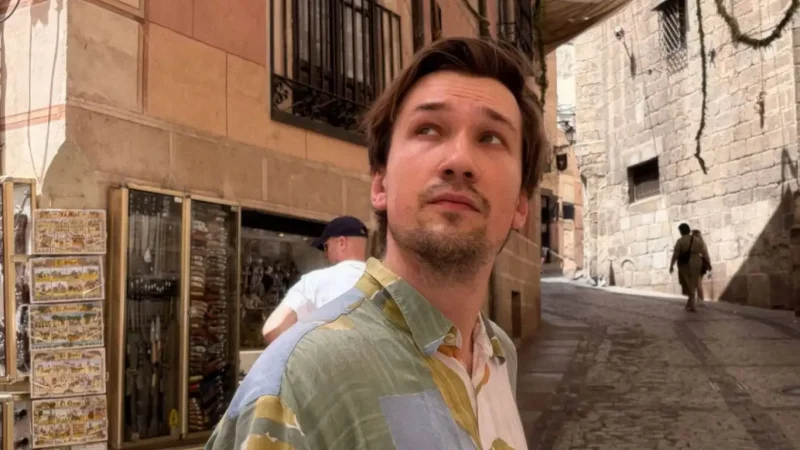
Photo courtesy of the subject of the article
I packed a few clothes, some documents, and some medicine. I took another phone—a clean one, with no photos or messages. I had saved all my important documents and evidence to the cloud in advance, knowing they would check them at the border. Luckily, I already had a Schengen visa—that allowed me to leave quickly without having to wait.
At the airport, my heart was pounding so hard that I thought everyone around me could hear it. At the check-in counter, a clerk spent a long time flipping through my passport and made a phone call to someone. I was sent to a separate office. A border guard and two police officers were sitting there.
— "Put your phone on the table."", they said.
I put the phone down. They checked my gallery and messages, but there was nothing there. And the whole time I kept thinking: "It's a good thing I saved everything to the cloud." A little while later, they gave me my phone back and said, "You can go.".
When the plane landed in Belgium and I went through passport control, I walked out of the airport and started crying. They were tears of relief. For the first time in many years, I felt: this is it—freedom.
I didn’t expect the government to treat a person with such respect. At the immigration office, they listened to me carefully and processed my asylum application. I was provided with housing, meals, health insurance, a psychologist, and money for daily expenses. They gave me clothes because I had left with almost nothing.
In Russia, they took everything away from me—my rights, my voice, even a basic sense of security. In Belgium, I regained my human dignity.
I am very grateful to everyone who is helping me here—the social workers, my psychologist, and the medical staff. Thanks to them, I’ve been able to feel safe and begin my recovery. Right now, I’m learning Dutch—one of Belgium’s three official languages—and trying to integrate into society. In the future, I want to train to become a healthcare professional, help people, and work for the Red Cross.
But I don’t want to stop at just saving myself. Now I’m continuing my activism here in Belgium. I plan to participate in major LGBT forums and raise the issue of humanitarian visas for Russians. I want those who are still in Russia and living in fear to be able to escape and start a new life in safety.
Today, I try to be a part of the local community. In Brussels, I visit Rainbow House—a place where you can always find support, companionship, and new ideas. And in Antwerp, I go to ANNO, an organization that brings people together and creates a space for conversations, gatherings, and simple human connection. There, we can speak openly and feel like ourselves. These spaces help us not feel alone and remind us that we are strong when we’re together.
There are still thousands of LGBT people in Russia who are forced to hide and live in fear. I know what that’s like. But I also know that there’s always a chance to leave, find safety, and start over.
My story isn't just about escaping. It's proof that freedom is possible.
Thank you, “Doberman,” for helping vulnerable people during such a difficult time and giving them the opportunity to share their stories.
P.S. As of the publication of this article, the protagonist of this story is still in a refugee camp in Belgium.





0 comments
Enter your email — we’ll send you a one-time code. No passwords or accounts.
Code sent to
If the email doesn't appear in your inbox within a few minutes, check your spam, junk, or promotions folder, as some email services may mistakenly place automated messages there