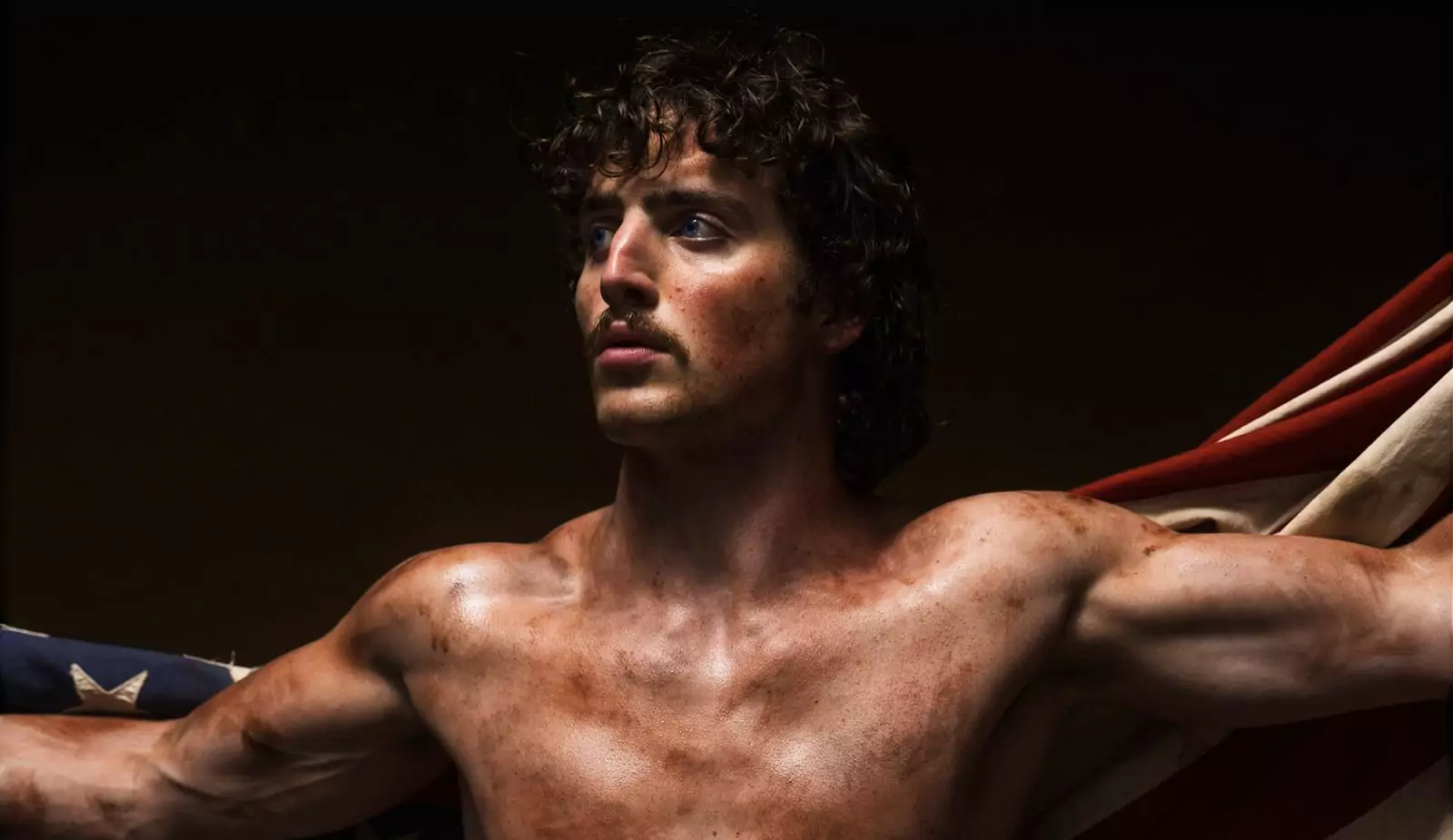

23-year-old Benson Boone is rapidly taking the American pop scene by storm, and his new album, *American Heart*, released in June, has sparked lively debate. The album’s title and cover, featuring the stars-and-stripes flag, would seem to directly hint at a political statement or at least a reflection on current issues in the United States as of 2025. However, as it turns out, this impression is misleading, since the album does not contain a single song that addresses the American agenda.
The Paradox of "The American Heart"
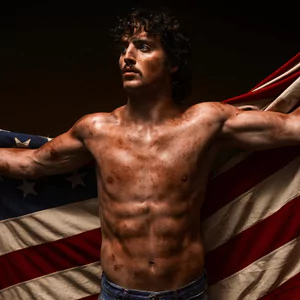
In 2025, as the world faces serious domestic political crises, naming an album “American Whatever” is already a statement in itself. Listeners have every right to expect commentary on the current situation, whether it’s Trump’s policies or other pressing issues. This is how any mention of a country, an ethnic group, or a specific location on the map works: the work is inevitably linked to the current context—whether political, national, or local.
Исторически, авторы выбирают один из двух путей: либо активно занимаются повесткой, как Green Day с их рок-оперой «American Idiot» (2004) о США времен вторжения в Ирак, либо размышляют о вневременном характере культуры, как Борис Гребенщиков в «Русском альбоме» (1992), исследуя природу любви и зла через фолк и религиозные образы. Бенсон Бун же предпочел третий вариант: полное игнорирование политики. Более того, незадолго до релиза артист открыто заявил в эфире шоу Джимми Фэллона о своей аполитичности: «Это [альбом] не что-то патриотическое, не „Посмотрите, за кого я голосовал“».
The False Notion of “Music Outside of Politics”
At first glance, if it weren’t for the provocative title and cover, no one would expect socially conscious lyrics from Bun; like any pop hero should, he focuses on his personal love life. However, that is precisely where the main catch lies. Music critic Alexander Shakirov notes that Bun, though harmless, is a very telling example of how pop culture trains its audience of millions to ignore any context and, ultimately, the complexity of the world.
Of course, popular culture often serves as a temporary refuge from this complexity, but the notion that “music is apolitical” is false. Context plays a huge role. For example, the 30 Seconds to Mars concert in Almaty, where the Russian band performed pro-war songs, sparked a negative reaction among Kazakhs who remember the history of de facto colonization. This example clearly demonstrates how deeply cultural expressions are tied to the political and historical context.
So what is *American Heart* about, then?
If the album doesn't mention America at all, then what is it about? Sources report that this is, above all, an album about Boone’s own heart. He laments his heartbreak in the tracks “Sorry I’m Here For Someone Else” and “Man In Me.” In “Momma Song,” he confesses his love for his mom, albeit using clichés.
The climax comes in the final track, “Young American Heart,” which is literally about the artist’s heart: he recalls an accident he had at age sixteen, when his “young American heart” nearly stopped.
However, critics argue that even this personal tragedy is presented in an overly commercialized way. Unlike Joe Talbot of Idles, whose album *Crawler* was inspired by a car accident but didn’t emphasize the “Britishness” at its core, Boone emphasizes “American-ness.” This creates the impression that the producers were trying to somehow justify the eye-catching cover art and album title, rather than offering a profound reflection on a personal tragedy.
Benson Boone is indeed young and American—he was born in Monroe, Washington, to a Mormon family, and began his career with cover songs on TikTok and an appearance on “American Idol,” which he voluntarily left, not wanting to be judged by his success on the TV show. His retro style, distinctive mustache, and endless somersaults during performances have made him one of the most colorful figures on the new American pop scene. However, none of this changes the main point: his “American Heart” is a striking example of how pop artists around the world are conditioning their multimillion-strong audience to avoid any complexity or context of the world around them. Ultimately, this robs art of its depth and its ability to become a true reflection of the times.







0 comments
Enter your email — we’ll send you a one-time code. No passwords or accounts.
Code sent to
If the email doesn't appear in your inbox within a few minutes, check your spam, junk, or promotions folder, as some email services may mistakenly place automated messages there