
This article is based on text The Wall Street Journal “Germany’s Economic Model Is Broken, and No One Has a Plan B” ("The German economy has broken down, and no one has a "plan B").
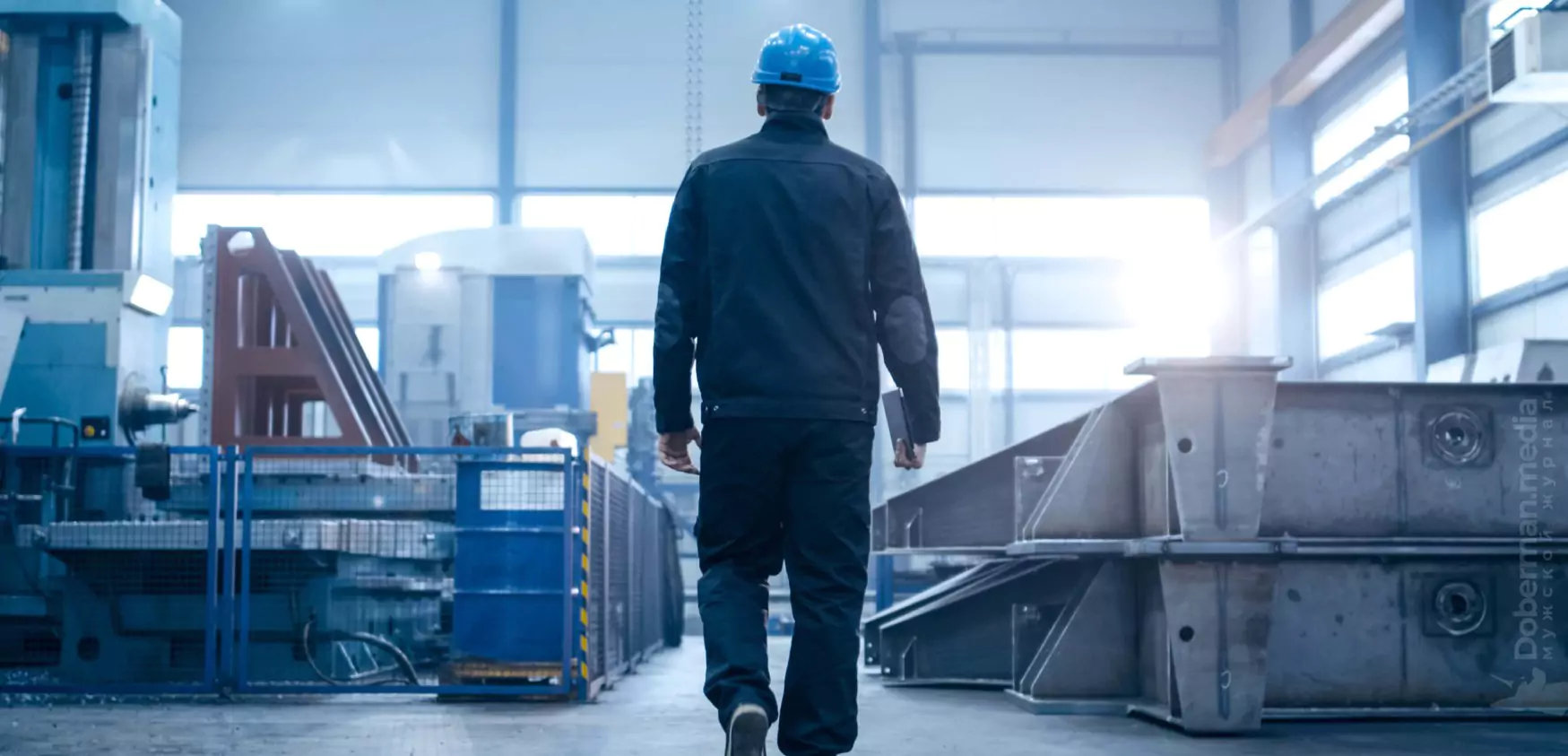
Until recently, the German economy was considered indestructible, and "Made in Germany" was a symbol of quality. But times are changing: the world is no longer so actively buying up German machinery and equipment, China is taking away the market, and the energy crisis is only exacerbating the situation. And the saddest thing is that Germany does not have a plan "B".
Once a giant, but now...?
Take Ingolstadt, for example. For many years, this city of 140,000 residents was rolling in money thanks to Audi. The company dutifully paid hundreds of millions of euros in taxes, ensuring a lavish lifestyle for the city. But in 2024, everything changed: Audi’s profits plummeted by 91%, sales in China dropped by 25%, and job cuts are now inevitable.
Chinese automakers, which were not taken seriously in the past, are now attracting buyers. On top of that, rising energy prices and potential U.S. tariffs are making the situation even worse. As a result, Germany’s economy has been stagnating since 2019, with no end in sight.
Layoffs, protests, and… lawns?
Audi’s problems are dragging others down with them. In Schweinfurt, Schaeffler workers are on strike over the loss of 700 jobs. ZF Friedrichshafen is laying off 14,000 employees. Even Ingolstadt Mayor Christian Scharpf is forced to look for money in the most unexpected places: he has raised fees for museums, parking, and buses, and has even cut back on how often public lawns are mowed!
"We are used to business coming to us, but now everything is different," sadly Caroline Block, the owner of a local hotel.
Is Germany no longer the leader?
Germany is clearly lagging behind in the technology race. It invests only 3.1% of its GDP in AI and software development, whereas the United States — 3.6%, and South Korea — 5.2%. To catch up with its competitors, the country needs 600 billion euros to modernize its infrastructure and defense.

Но денег нет, потому что налоговая нагрузка на жителей запредельная. В 2024 году немец без детей отдавал почти половину своей зарплаты государству, а ещё и откладывал 20% доходов, что тормозит экономику.
And what about politicians? They're quite the optimists.
The economic crisis has already overtaken migration and security on the list of top concerns for Germans. But the Scholz government is more unpopular than ever, and politicians are avoiding tough decisions. No one wants to cut social benefits or make significant changes to the economic model.
The alternative? Return to the "good old fashion" - cheap energy resources and less stringent environmental standards. This is the opinion of Leif-Erik Holm from the Alternative for Germany. But will it help? Experts are skeptical.

What awaits the German economy? So far, nothing good. But maybe it's time to come up with a plan "B" after all?








0 comments
Enter your email — we’ll send you a one-time code. No passwords or accounts.
Code sent to
If the email doesn't appear in your inbox within a few minutes, check your spam, junk, or promotions folder, as some email services may mistakenly place automated messages there