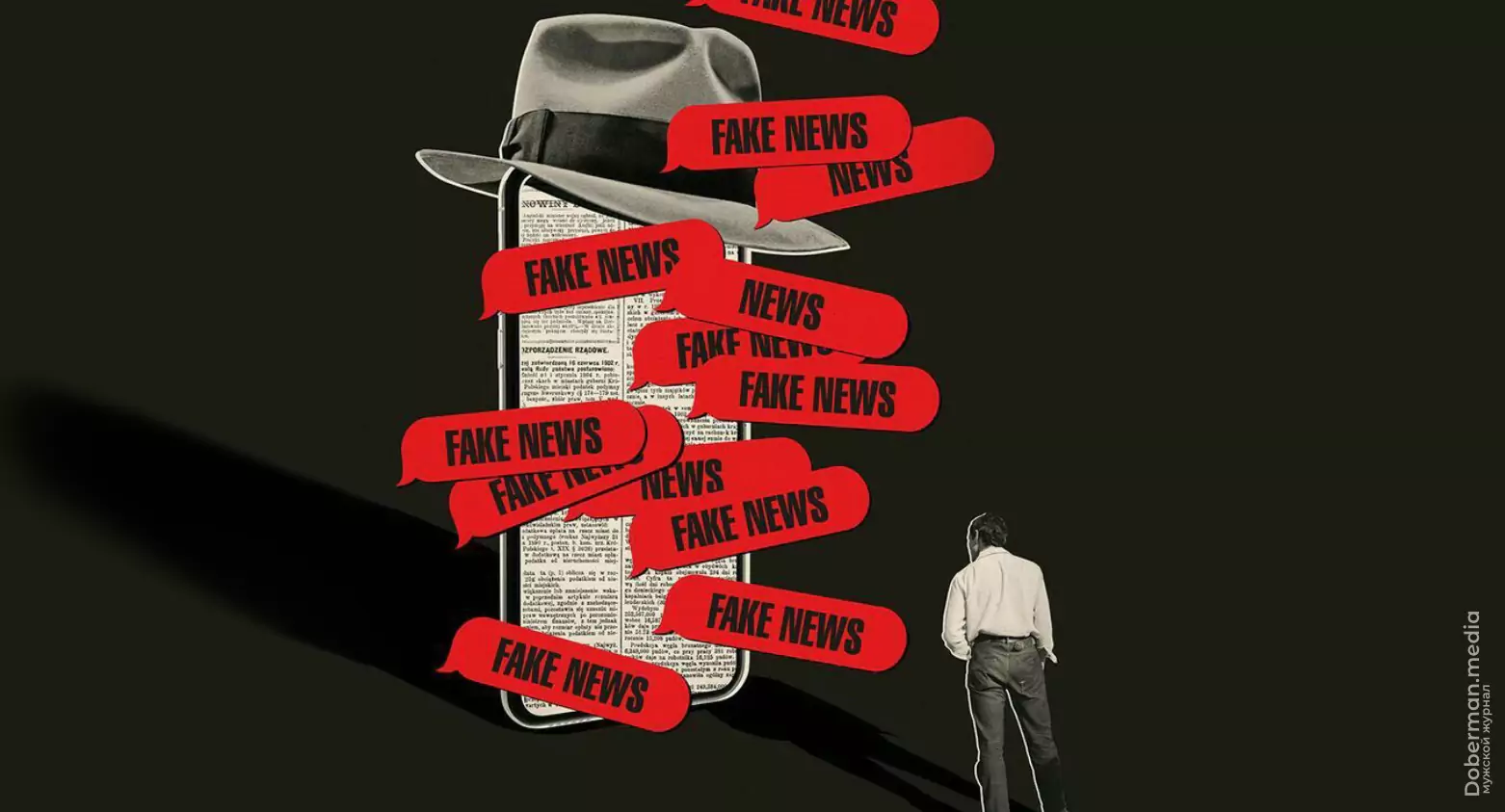

In today's world overflowing with information, the ability to fact-check is becoming one of the most important competencies. The flow of news, articles and messages on social networks is growing every day, and it is not always possible to immediately determine where the truth is and where it is a deception. This is where fact-checking comes into play – the process of verifying the accuracy of information. In this article, we'll look at how to do fact-checking the right way, what tools to use, and why it's so important in our society.
Why is fact-checking important?
Disinformation and fake news have become a real problem of our time. They can influence public opinion, politics, and even the economy. Fake news can fuel conflict, sow panic, and manipulate people. In an environment where information becomes the main weapon, fact-checking skills become critical.
Basic principles of fact-checking
- Skepticism as a basis: Don't believe everything you see or hear. Start with a skeptical position and try to question any information, especially if it seems sensational or causes strong emotions.
- Sources of information: Check where the information came from. Reliable sources such as reputable news outlets, scientific journals, and official statements are more trustworthy than obscure blogs or anonymous social media posts.
- Cross-validation: Compare information from multiple sources. If different sources confirm the same facts, they are more likely to be true.
- Date and time of publication: Please note the date and time of publication of the information. Outdated information may be irrelevant or distorted in the context of new developments.
- Authors' authority: Find out who wrote the article or news. Reputable journalists and experts in their field are more trustworthy than unknown or unconfirmed authors.
- Facts vs. opinions: Distinguish facts from opinions. Facts are backed by evidence, whereas opinions reflect personal views and interpretations.
Fact-checking tools
Modern technology provides many tools that help verify information. Here are some of them:
- Google Fact Check Tools: Google provides fact-checking tools that allow you to search for and verify information. Use Google News to search for news and Google Scholar for scientific articles.
- Snopes: One of the most famous fact-checking sites specializing in debunking myths, rumors and fake news.
- FactCheck.org: An independent organization that verifies the statements of politicians, public figures and various organizations.
- PolitiFact: A site that assesses the veracity of politicians' claims and publishes the results as a veracity scale.
- Mediazona: A Russian independent media project that also deals with fact-checking and investigations.
How to check information step by step
- Obtaining information: You see a news story or post on social networks that you are interested in.
- Initial analysis: Analyze the content for sensationalism, emotional impact, and authenticity of the source.
- Source Verification: Find the original source of information. If it's news, find the original source. If it is a scientific statement, find the original research.
- Cross-validation: Compare information with other sources. Look for confirmations or denials from various reliable sources.
- Assessment of credibility: Find out who is behind the publication. Check the author, the organization, and their reputation.
- Context and date: Make sure the information is relevant and not taken out of context.
- Analysis of the evidence: Check if the claims are supported by evidence, research references, or documents.
- Conclusion: Draw a conclusion based on all the data collected. If the information is in doubt, it is better not to distribute it until it is completely clarified.
Practical tips
- Do not give in to emotions: Fake news often plays on emotions. Stay calm and analyze information rationally.
- Education and Critical Thinking: Continuously improve your critical thinking skills and knowledge of media literacy.
- Feedback: If you find a fake, don't be afraid to let others know. Debunking disinformation is important for the common good.
- Don't rush to share: Before sharing the news, make sure that it is reliable. This will help prevent the spread of fakes.
Fact-checking is not just a buzzword, but a necessary skill in today's world. The ability to verify information helps us protect ourselves from manipulation, make informed decisions, and maintain common sense. In a world where truth is sometimes difficult to distinguish from lies, fact-checking is becoming our greatest ally. Be skeptical, look for evidence, and always check the information – this will help you stay informed and protected from misinformation.








0 comments
Enter your email — we’ll send you a one-time code. No passwords or accounts.
Code sent to
If the email doesn't appear in your inbox within a few minutes, check your spam, junk, or promotions folder, as some email services may mistakenly place automated messages there