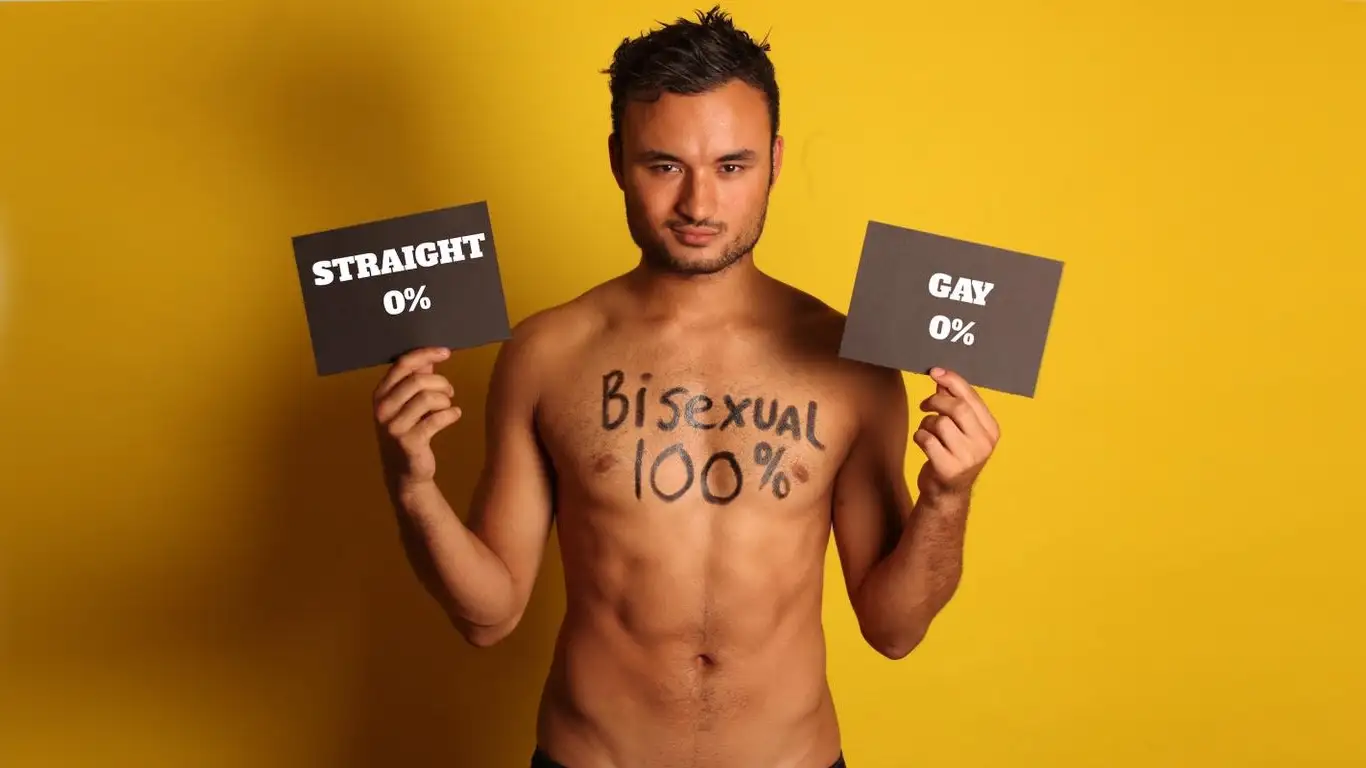
Только что завершилась “Неделя осведомлённости о бисексуальности”. В 2026 году социологические данные демонстрируют ключевой сдвиг в демографии: теперь люди, идентифицирующие себя как бисексуалы, сформировали самое крупное большинство внутри ЛГБТ-сообщества.
We examine Gallup's large-scale survey data, the phenomenon of “bi erasure,” the historic contributions of bisexual activists, and how Generation Z is reshaping perceptions of sexuality.
What happened?
The demographic makeup of the LGBT community has changed dramatically over the past decade. According to the latest sociological research, people who identify as bisexual now constitute an absolute statistical majority of the LGBT population.
Yet despite their numerical strength, bisexual people remain one of the least visible and most vulnerable groups, both in society at large and within the LGBT community itself.
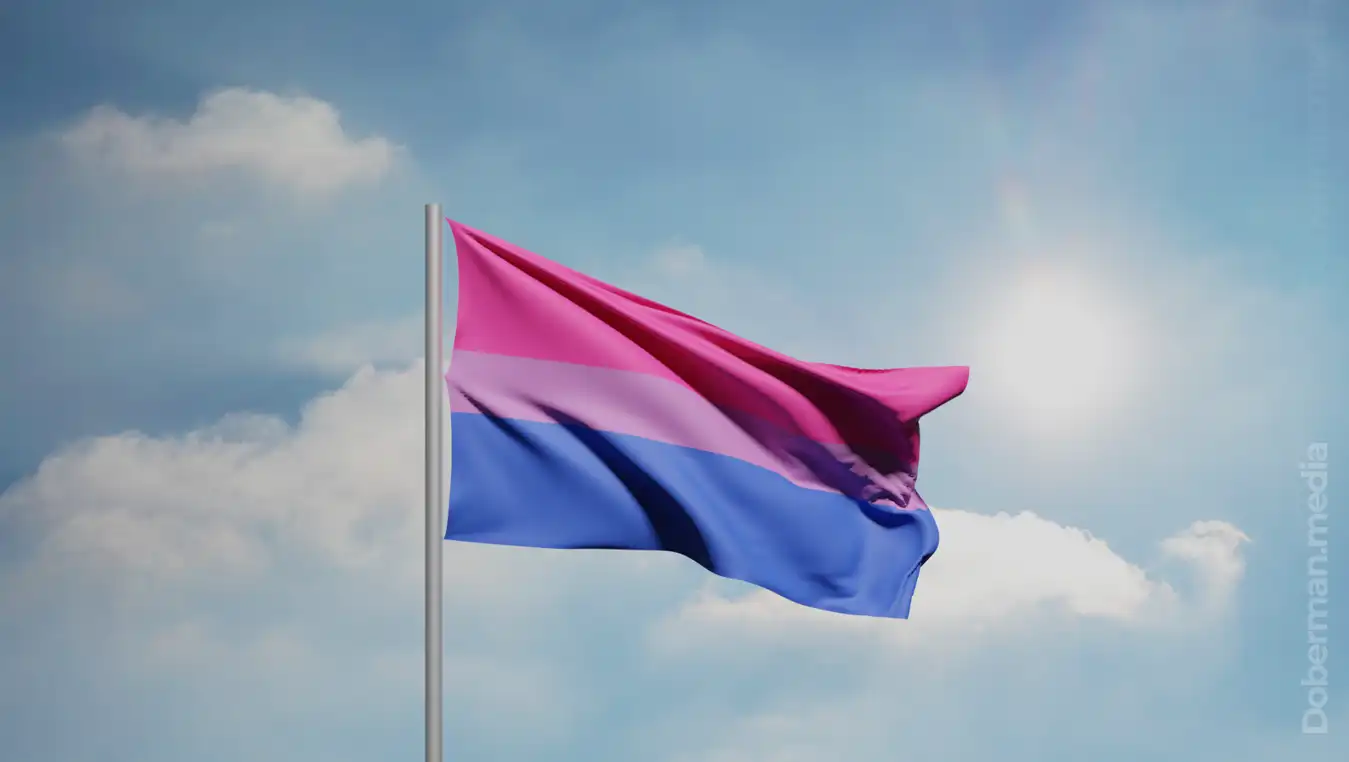
What do the numbers say?
According to Gallup's large-scale 2024–2025 survey, the share of the U.S. adult population identifying as LGBT reached 9,3% (in 2012, when Gallup first began tracking this figure, it stood at just 3.5%).
Bisexual people have been the primary driver of this growth:
- 58,6% (nearly six in ten) of all LGBT adults in the United States identify as bisexual.
- As a share of the overall U.S. population, openly bisexual people account for approximately 5,3% of all adults in the country. This means that openly bisexual people in the U.S. today are more common than people with naturally red hair.
- Особый рост демонстрирует поколение Z: среди молодых американцев 22,3% относят себя к ЛГБТ-сообществу, при этом 15% всех представителей поколения Z (и 57,3% от всех ЛГБТ среди них) идентифицируют себя как бисексуалы.
- Bisexual identity is especially common among young women: more than one in five Gen Z women (20.7%) identify as bisexual.
Who were the pioneers?
Although bisexual people have only recently been recognized as a statistical majority, they have historically been at the forefront of the fight for LGBT rights:
- Alfred Kinsey — the founder of modern sexology and creator of the famous “Kinsey scale” — openly engaged in bisexual relationships himself.
- Malcolm X — the revolutionary leader of the civil rights movement was bisexual, according to several historians whose claims are supported by documentary evidence.
- Brenda Howard — an activist known to history as the “Mother of Pride,” was proudly bisexual and consistently advocated for the inclusion of bisexual people in LGBT organizations and events during the early stages of the human rights movement.
Why are people still trying to “ignore” them?
The phenomenon in which the existence of bisexuality is ignored or called into question is known in sociology and psychology as “bi erasure” (bisexual erasure).
Социологи и правозащитники выделяют несколько причин, почему 58% сообщества остаются невидимками:
- Monosexism and binary thinking. The belief that a person can only be attracted to one gender is deeply rooted in society. As a result, bisexuality is often mistakenly seen as a “temporary phase,” “indecisiveness,” or an attempt to attract attention.
- Pressure from both sides. Bisexual people face stigma not only from the heterosexual majority, but also within the LGBT community itself. Their partners and peers often demand that they “pick a side” or accuse them of “not being radical enough.”
- Judged by their partner. If a bisexual person is in a relationship with someone of the opposite sex, they are automatically perceived as heterosexual; if they are in a same-sex relationship — as homosexual. According to the Pew Research Center, about 88% of bisexual people in committed relationships have partners of the opposite sex, making their identity completely “invisible” to those around them.
- Low rates of coming out. Because of this double pressure, only 19% бисексуальных взрослых (and only 12% of bisexual men) openly discuss their identity with those close to them — compared with 75% of gay men and lesbians.
Due to identity erasure and social isolation, bisexual people experience higher rates of anxiety disorders, depression, and stress than both heterosexual people and gay men and lesbians.
How is this represented in culture?
Despite these barriers, bisexual performers and actors account for a significant share of LGBTQ visibility in modern media. Among them are:
- Members of the popular pop group Katseye Lara Raj and Megan Skiendiel;
- TV actor Heartstopper Kit Connor;
- Pop singer Victoria Monét;
- Rapper Cardi B;
- Actor Alan Cumming.
What Does This Change?
Generational change and the blurring of rigid boundaries demonstrate that human sexuality is far more fluid and multifaceted than the binary models of the past suggested. The growing visibility of bisexual people is forcing researchers, lawyers, and human rights organizations to rethink their approaches, move beyond tokenistic erasure, and acknowledge that the largest group within the LGBT community can no longer be ignored.



0 comments
Enter your email — we’ll send you a one-time code. No passwords or accounts.
Code sent to
If the email doesn't appear in your inbox within a few minutes, check your spam, junk, or promotions folder, as some email services may mistakenly place automated messages there