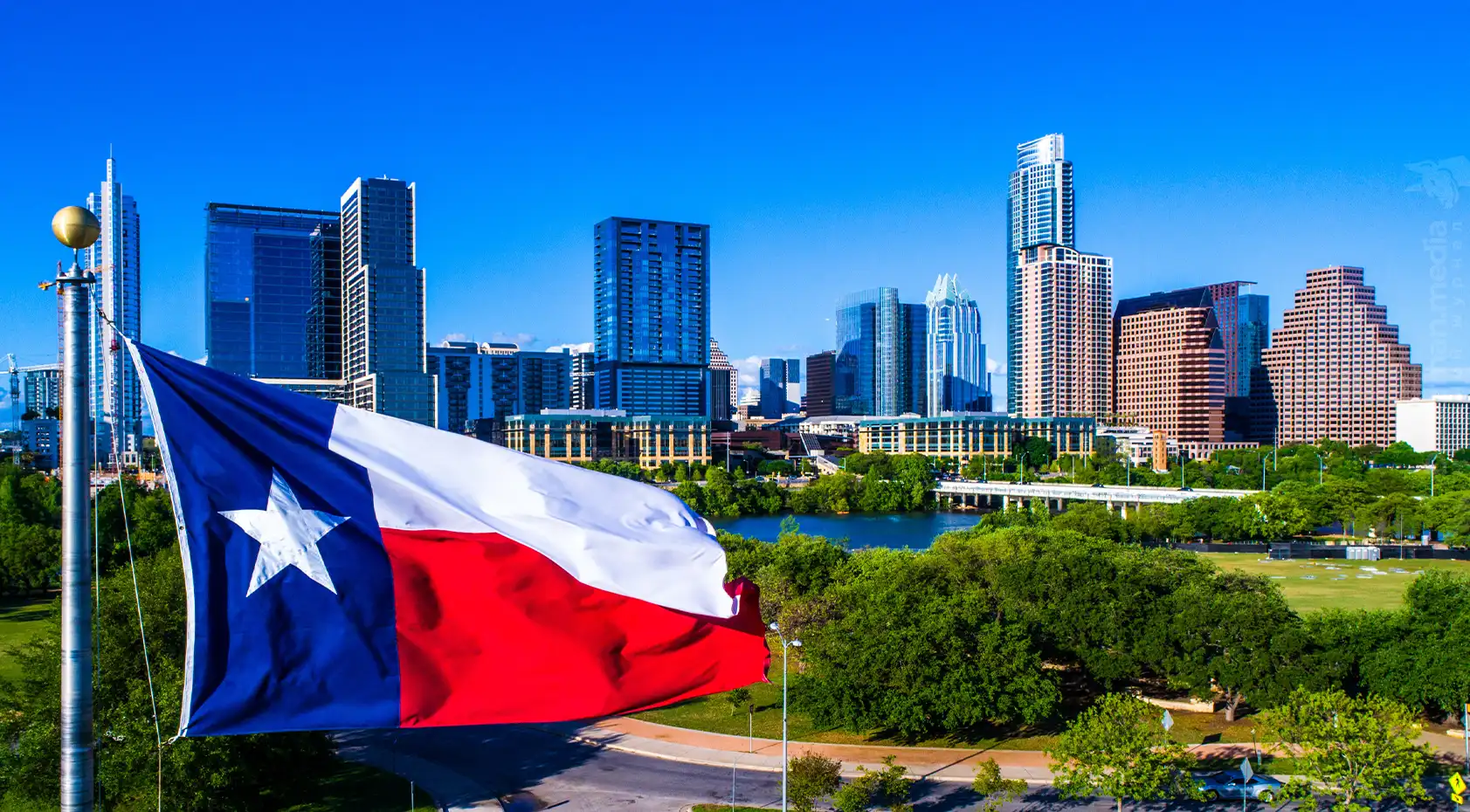

A federal court in Texas has once again ruled unconstitutional a law that emerged from the campaign against drag shows for minors. The most interesting aspect was not yet another debate over drag, but the way the law was written: if applied literally, it could have covered cosplayers, athletes in swimsuits, and Elvis or Dolly Parton impersonators.
On August 25, federal judge David Hittner ruled that Texas Senate Bill 12 violates the First Amendment to the U.S. Constitution, which protects freedom of expression, and barred state Attorney General Ken Paxton from enforcing it. Paxton has already said the ruling will be appealed.
The law itself dates back to 2023. It was not an initiative of the Donald Trump administration: Joe Biden was U.S. president at the time, and SB 12 was passed by the Texas state government.
The bill was originally explicitly aimed at restricting drag shows for minors. During the legislative process, direct references to drag were removed from the text and replaced with the broader category of “sexually oriented performances.” Texas Governor Greg Abbott nevertheless publicly presented the enacted law specifically as a restriction on drag.
On paper, the measure appeared more cautious: technically, it did not ban drag, but merely regulated sexual content in the presence of children.
In practice, that only made matters worse.
Hittner concluded that the law’s definitions were overly broad. For example, they cover certain forms of nudity, sexual gestures, and performances intended to appeal to a viewer’s prurient interest. But the boundaries are worded in such a way that people cannot always determine in advance whether their performance would constitute a violation.
The judge then tested this logic against ordinary examples—and the results were rather strange.
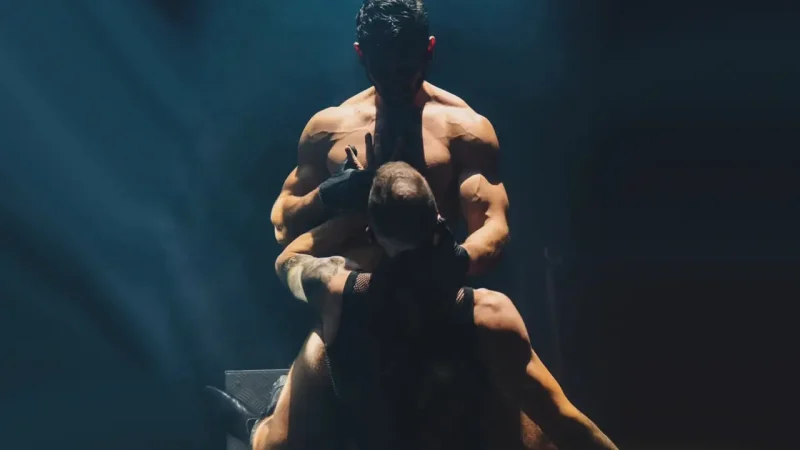
The law could potentially have applied to provocative cosplay at a festival, an athlete in a swimsuit, a Dolly Parton impersonator wearing prosthetic breasts, or an Elvis impersonator gyrating his hips. These examples were not invented by journalists as a joke; they were cited by the court itself.
This is precisely where the political idea begins to conflict with the legal text.
The authors wanted to create a tool targeting a specific type of performance. But if the criteria are written too broadly, the state gains the power to evaluate not only drag, but also stage costumes, body movements, cosplay, and athletic uniforms.
Hittner concluded that the problem was not incidental. In his view, the overwhelming majority of SB 12's potential applications affect performances protected by the First Amendment and restrict them precisely because of their content and form of expression.
This is now the second time the same judge has ruled the law unconstitutional.
The first ruling was issued back in September 2023. The case then went through an appeal, the law took effect in March 2026, and the appeals court sent the dispute back to Hittner for reconsideration with procedural instructions. He has now blocked it again.
The story also has a rather succinct ending. Addressing those who are offended by such performances, Hittner wrote that the solution is relatively simple:
“Just don't go.”
Texas clearly disagrees, so the case will most likely be appealed again.
And the dispute now appears broader than the usual debate over drag shows: where does the protection of minors end, and where does the state's right to decide how sexually someone may look and move onstage begin?




0 comments
Enter your email and we will send you a one-time code. No passwords, no accounts.
Code sent to
If the email does not arrive in your inbox within a few minutes, check your Spam, Junk or Promotions folder — some mail services may wrongly place automated messages there.