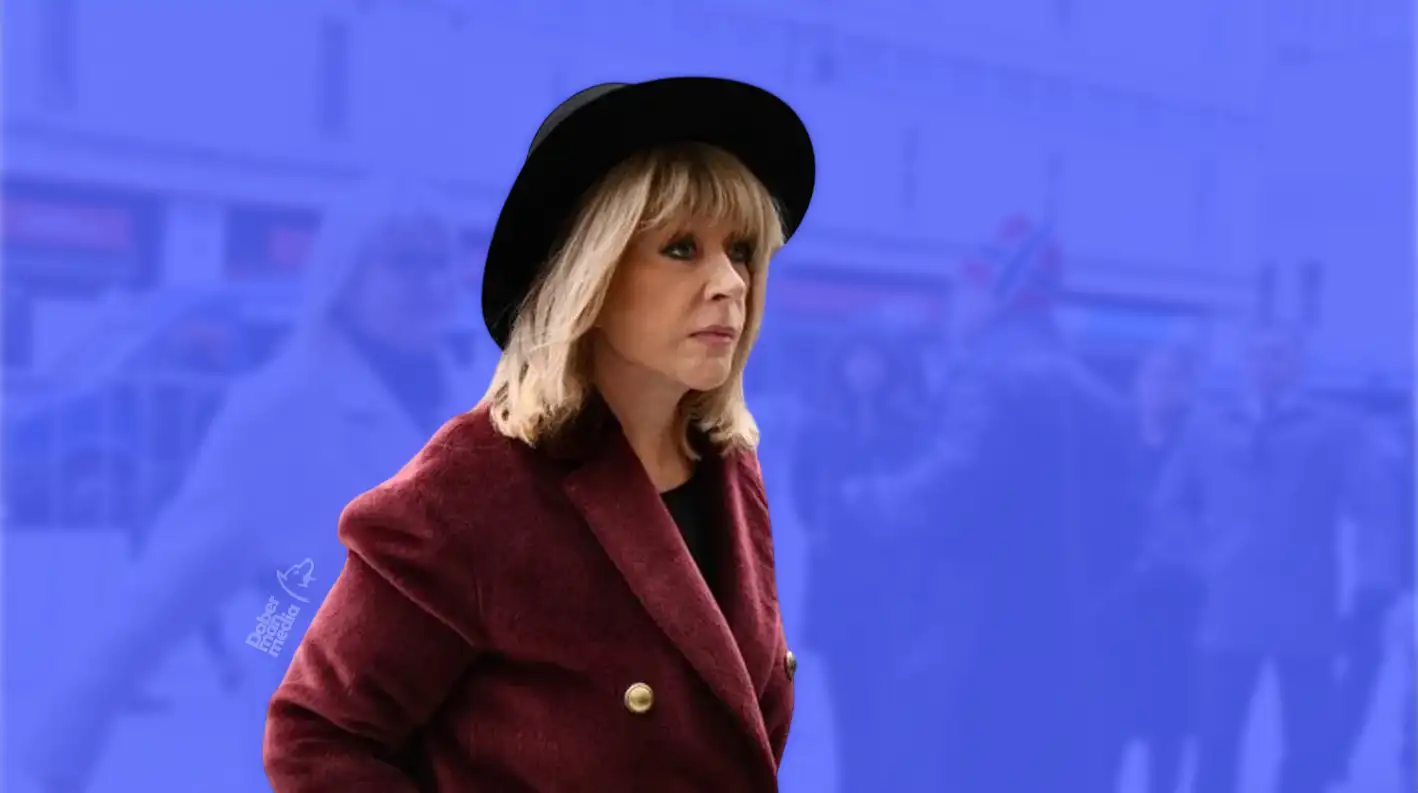
Today, April 15, 2026, Alla Borisovna Pugacheva turns 77. On this day, we wholeheartedly wish the Prima Donna of the stage and a true gay icon a happy birthday. May her life, like her songs, continue to resonate brightly, boldly, and freely, reminding us all of every person’s right to be themselves, to love, and to be loved without regard for social conventions. Happy birthday, Alla Borisovna! We wish you health, happiness, and that very same unyielding inner strength that has always allowed you to remain a queen—both on stage and in the hearts of millions. // Doberman Media Editorial Team
Alla Borisovna Pugacheva is not just the prima donna of Russian pop music. For many, in the LGBT community She has long since become a true gay icon, a symbol of acceptance and freedom in a world where such topics have long been taboo. Her connection to the gay community isn’t just a matter of random rumors or gossip, but a story that has spanned decades, full of bold gestures, candid interviews, and genuine empathy.
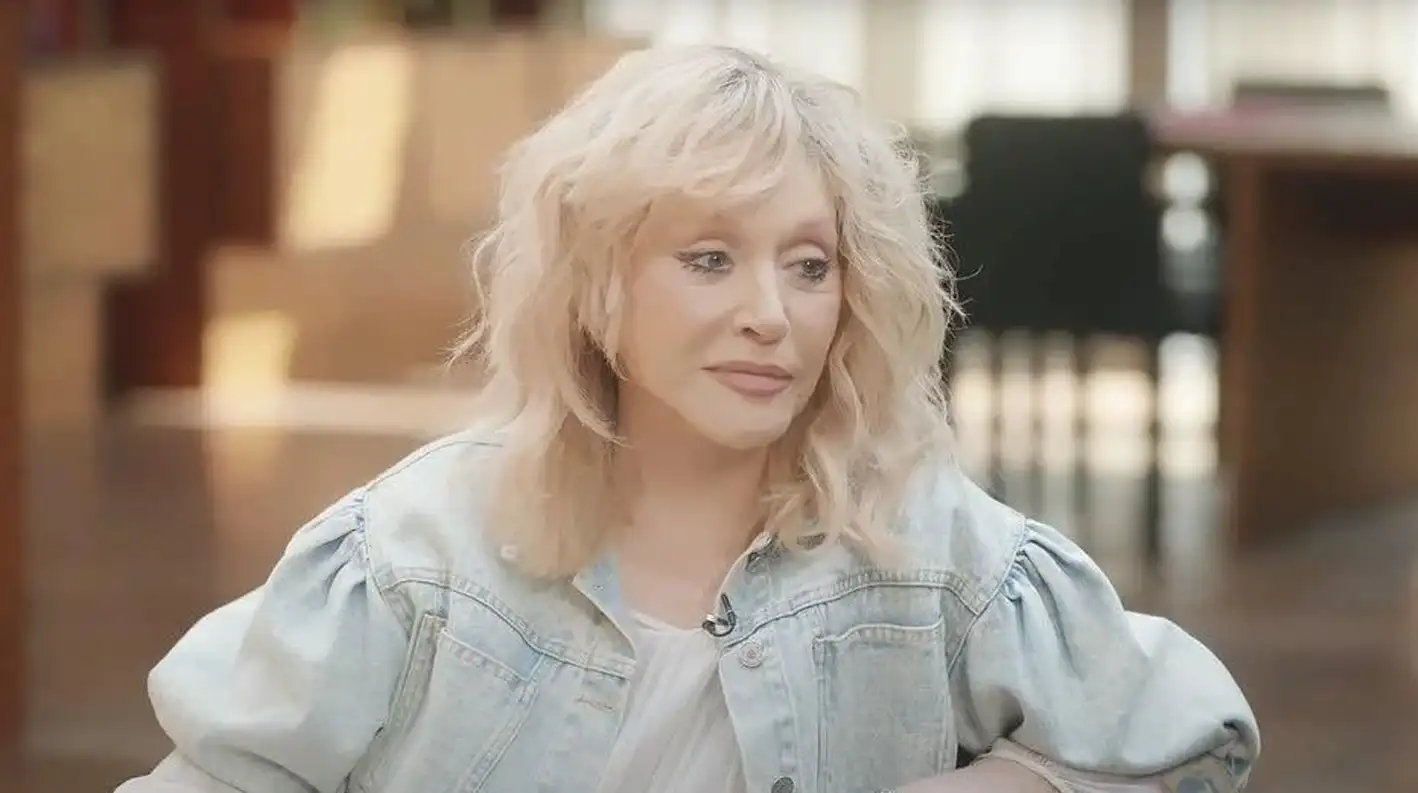
Performance with the Los Angeles Gay Chorus (1999)
The most memorable and symbolic moment took place on October 9, 1999, at the Tchaikovsky Concert Hall in Moscow. Pugacheva took the stage alongside Gay Men’s Chorus of Los Angeles — one of the world's largest gay choirs — and performed the anthem of the fight for minority rights "We Shall Overcome" (“We Will Overcome”). For Russia in the late 1990s, this was a major event: one of the most notable LGBT concerts in the country’s history.
In an interview with *Moskovsky Komsomolets* before the concert, Alla Borisovna was extremely candid. She described gay people as those who “have done so much for me in life—one might even say, given me life.” According to her, gay people taught her to appreciate the merits of others and to view a person’s nationality and “color” as normal, without rudeness or prejudice. Pugacheva even joked that she had become “the queen of all sexual minorities”: “I’m neither a lesbian nor a faggot. I’m sort of a new phenomenon… That’s why I’m the queen.” She added that she likes “men who are like women,” with whom “we can understand each other.”
A Promise to My Friend Jacob Dalin
The roots of this closeness lie in her personal history. One of the most important people in Pugacheva’s life was a Swedish TV host Jakob Dalin — an openly gay man who had been her friend for many years. Before he died of AIDS in the early ’90s, he made her promise three things: to perform at Eurovision, to sing with gay men, and to marry a gay man.
Alla Borisovna fulfilled the first two: she traveled to the contest in 1997 (as she put it, “on behalf of all the gay people in the world”) and sang with a Los Angeles choir. She later called the third promise a joke, but it became the subject of endless speculation.
Entourage and Protégés
Many have noted that Pugacheva’s circle has always been filled with colorful personalities who often defied traditional stereotypes. Philip Kirkorov (her ex-husband), stylist Sergei Zverev, and other artists—all of this created the image of the “Prima Donna’s court,” where gay men felt at home.
Alla Borisovna herself once said in a fit of anger to singer Viktoria Tsyganova, who had been critical of the LGBT community: “I am the mother of gay men!” After that, according to Tsyganova, she was “shut out” of show business.
Gay people in Russia and abroad have long considered Pugachova one of their own. Her songs—especially her dramatic ballads about love and passion—resonate with gay audiences. In Germany, for example, “Take Me With You” topped the gay charts for many years.
Psychologists attributed this love to the Prima Donna’s “masculine” personality: a strong, domineering woman who is herself “the man of the house” attracts those who value vibrancy and freedom from social conventions.
Rumors About Maxim Galkin
Marriage to By Maxim Galkin also added fuel to the fire. The age difference, the comedian’s flamboyant image, and his constant jokes led to endless speculation: “Galkin is gay, and the marriage is just for show.” Pugacheva herself denied these rumors in interviews, calling her husband a “classic heterosexual,” but acknowledged that “gay people have a right to happiness.” In public, these discussions did not subside: some saw the union as a calculated move, while others saw it as a continuation of the tradition of “marrying a gay man,” as Yakobu had promised.
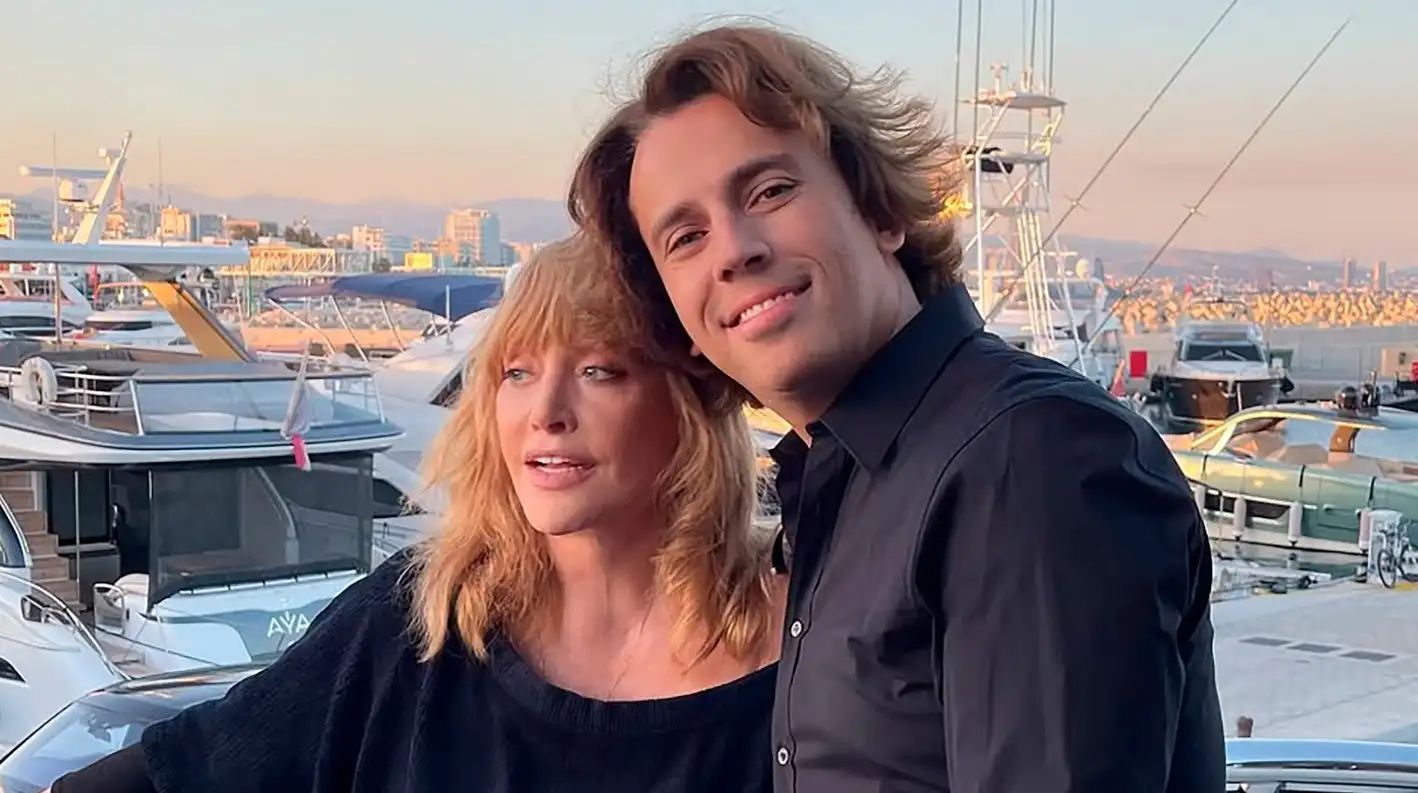
Alla Pugacheva and Maxim Galkin
Attitudes Toward the LGBT Community: Not Radicalism, but Humanity
Pugacheva has never been a radical activist like Madonna. She has said that she doesn’t like rallies and gay pride parades in public squares, and that she won’t give a concert in support of them. In one interview, she noted that it would be “incredibly difficult” for gay people to raise a child due to social pressure. Her stance is more about tolerance and acceptance: homosexuality as a “normal part of human existence, created by nature and God.” For conservative Russia in the ’90s and 2000s, this was already a bold statement.
Today, in an era of strict “propaganda” laws, Pugachova’s old interviews are sometimes recalled with a touch of irony. But for an entire generation of gay men in Russia and the post-Soviet space, she remains a symbol: the first major star who openly said, “Being gay is normal,” and took the stage with a gay choir at a time when doing so was risky.
Alla Pugacheva has always been a queen—both in music and in life. And for many, she also became the queen who wasn’t afraid to say, “I want to raise a glass to gay people.” And that toast still resonates in the hearts of those who value the freedom to be themselves.







0 comments
Enter your email — we’ll send you a one-time code. No passwords or accounts.
Code sent to
If the email doesn't appear in your inbox within a few minutes, check your spam, junk, or promotions folder, as some email services may mistakenly place automated messages there