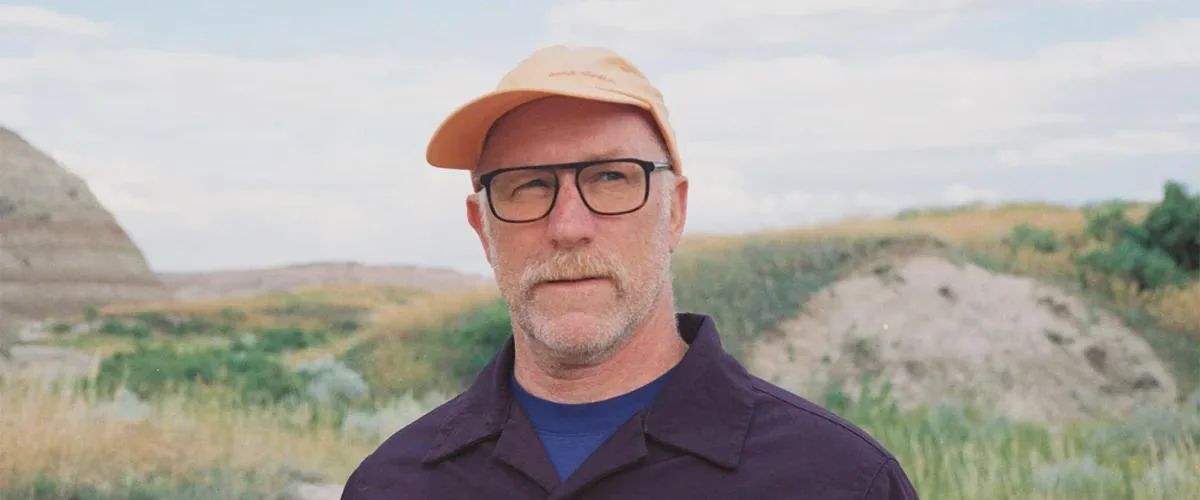

Roddy Bottom, co-founder of the iconic band Faith No More, as part of the promotional tour for his new memoir titled "The Royal We", shared his profound reflections on the contradictory era of the 1980s. His story is not merely a chronicle of musical success, but also a tale of the search for authenticity in a culture that simultaneously worshipped a feminine aesthetic and preached harsh misogyny.
Reference
Roddy Bottum (Roddy Bottum) is one of the founders and permanent keyboardist of the band Faith No More is an influential American rock band from San Francisco, founded in 1981. Roddy plays a key role in shaping the band's unique sound, combining heavy guitar riffs with melodic synthesizer parts and the use of samples. The band broke up in 1998 but later reunited for tours and to record a new album Sol Invictus in 2015.
Hits Faith No More: “Epic,” “Midlife Crisis,” “Falling to Pieces,” as well as their famous cover of the Commodores’ song “Easy.”
In 1992, Roddy Bottum came out, becoming one of the first openly gay men in the world of hard rock and metal. In November 2025, he published his memoirs, titled "The Royal We", in which he spoke candidly about life in the band and his struggle with addiction.
The Strange World of "Feminine" Machos
Bottom describes in the magazine Metal Injection rock culture of that time as “a very strange world.” The main paradox of the hair metal era was the combination of the musicians' extremely feminine appearance with aggressive sexism. Musicians from Guns N’ Roses and other popular bands sported voluminous backcombed hairstyles, wore a lot of makeup, and donned elaborate costumes, yet at the same time promoted extremely misogynistic views.
According to Bottam, MTV music videos at that time were “extremely” hostile toward women. At the time, the industry took objectification and the image of “slutty girls” for granted, believing that this was exactly what the audience wanted. Today this seems obvious, but when they were inside the system, musicians often accepted it as the norm.
Roddy Bottom with his husband
Faith No More's Struggles with Self-Identity
For Bottam, as a gay man, navigating this landscape was particularly difficult. The situation was compounded by the fact that Faith No More never really fit into the mainstream metal mold. Their music was a mix of funk, alternative rock, and metal...which left both listeners and industry insiders baffled.
However, because the members of Metallica began publicly wearing Faith No More T-shirts, the record labels decided it would be easiest to market the band as a metal group. This decision had a twofold effect: on the one hand, it gave the band access to a huge fan base. On the other hand, it “pushed” them into the world of metal, where they felt like outsiders.
Bottam recalls that joint tours with giants like Metallica and Guns N’ Roses often led to misunderstandings: the audience simply didn’t know how to react to their performance.
Loneliness and Pioneer Status
In July 1993, Roddy Bottum came out publicly, effectively becoming the first openly gay rock star. He admits that at the time, he had virtually no role models.
Rob Halford came out only a few years after Bottam. Freddie Mercury He has never made any official public statements. Elton John At the time, he even mentioned his wife in an interview, which left young Roddy completely baffled.
Bottam had to rely on rumors about fellow musicians, such as Michael Stipe of R.E.M. or Bob Mould, but in those days, people tended to keep such topics under wraps. The only person in the rock world with whom he was able to form a truly deep connection based on a shared identity was the drummer for the band Hole Patty Schemel. Their friendship, built on openness in the “world of rock,” continues to this day.
Roddy Bottom with his husband
Legacy and Change
Looking back, Bottam notes just how much the culture has changed over the past decades. His experience underscores how isolated and difficult it was to live “openly and authentically” in a scene that thrived on contradictions, silence, and pure spectacle.
It may be hard for today's young artists to imagine those conditions, but it is precisely thanks to the courage of pioneers like Bottam that the modern music industry has become a more inclusive place.








0 comments
Enter your email — we’ll send you a one-time code. No passwords or accounts.
Code sent to
If the email doesn't appear in your inbox within a few minutes, check your spam, junk, or promotions folder, as some email services may mistakenly place automated messages there