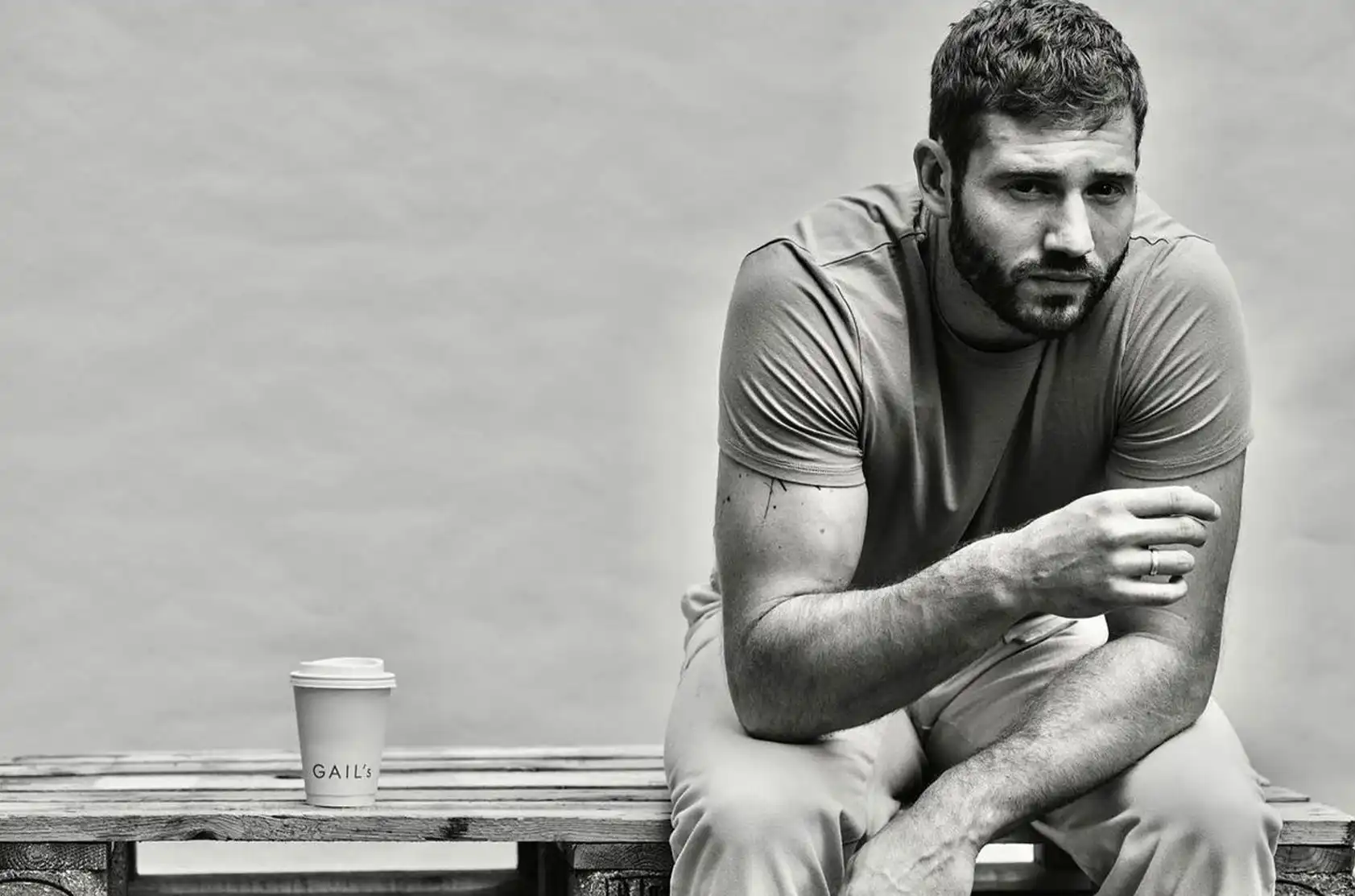
There are times when you look at something from the outside and suddenly see your former self—the person you used to be, but haven’t thought about in a long time. That happened to me when I was watching the movie “"In from the Side" (“Взгляд со стороны”). Not because I'm a fan of rugby or gay rom-coms. But because I saw my own story in Mark, the main character—my own mistakes, my own addictions, my own attempt to hold on to a relationship that was no longer working.
I wrote earlier...that I was in long-term, sometimes open relationships. There were always rules in place—rules I didn’t make up. I went along with them, agreed to them, and got used to living by the logic that “if I just put up with it, everything will be fine.” But that patience gradually eroded my very sense of self.
I betrayed myself with small compromises, convincing myself each time: "For love, you have to be flexible". In fact, I was losing myself—step by step.
As I watched the movie, I had a strange feeling: it was as if I were looking at my own choices, only made by someone else. The same attachment, the same fear of being alone, the same hope that if I played along, I could hold on to everything.
But the most important part is the ending. That's where Mark, the main character, does what I didn't do back then.
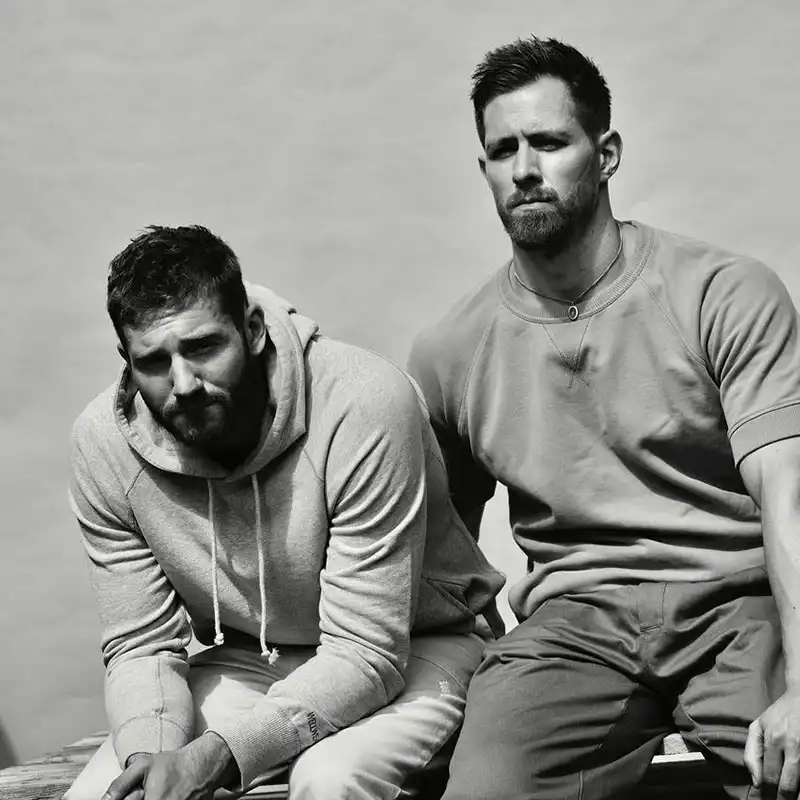
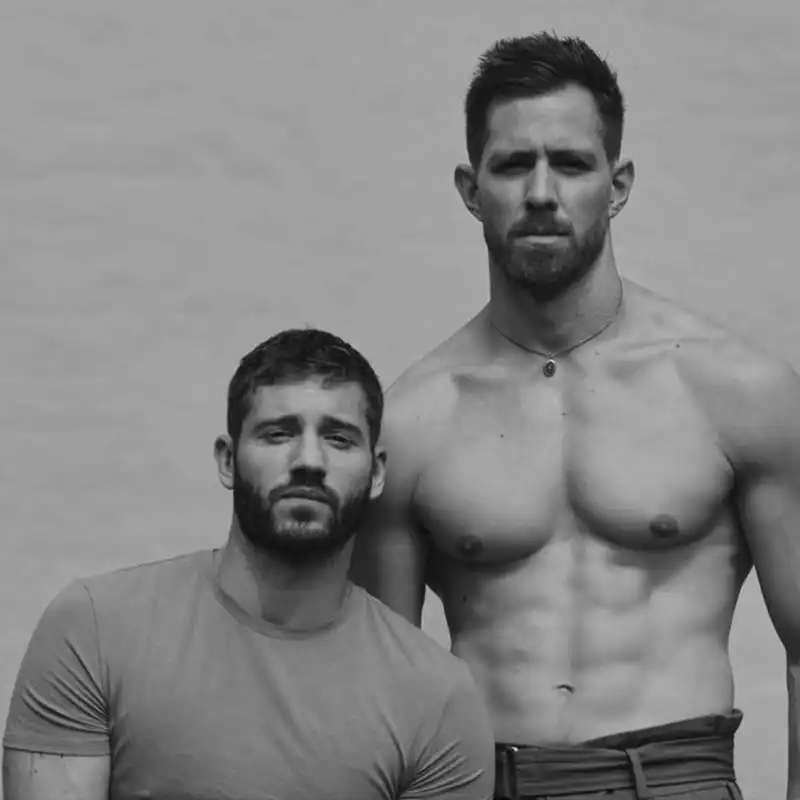
"A Look From the Outside" stars Alexander Lincoln and Alexander King, photo by David Clerihew for The Rakish Gent
When his lover returns with an apology and an offer to start over, the protagonist refuses. Not because he has stopped loving him, but because, for the first time, he has chosen oneself, rather than someone else’s convenience. He realized that being the “second choice,” living a semi-hidden life, and adapting to someone who chose him only when it was convenient—was impossible.
And that's when I saw the version of myself that I would have wanted to be back then.
Because I would most likely have agreed—on the condition, with the hope, and with the belief that “things will be different now.” I would have chosen not myself, but a chance; not my own worth, but the illusion of closeness.
And that was the most painful realization of the viewing experience: the protagonist made a choice that I was unable to make at the time.
Now, after three years without a relationship, I see things differently. I’ve learned to listen to myself. I can’t imagine ever again settling for a compromise that breaks me. This isn’t loneliness—it’s freedom. The freedom to be true to myself, rather than just convenient for someone else.
That's why it's important for me to say this to those who are reading this:
- If love requires you to give up yourself, it isn't love.
- If a relationship exists only within the framework of someone else's rules, it's a codependency.
- If you're offered the role of the "second," "secret," or "convenient" person—that's not the choice you deserve.
Take a step back and look at yourself, just as I did through this film. Try to see what you’re really feeling. Sometimes walking away isn’t a defeat—it’s a return to yourself.
If I had realized this sooner, I would have avoided a lot of the pain I caused myself. But I’m grateful for that experience—it became a turning point. And if my writing helps someone make a choice that I didn’t make back then, then it all makes sense.
Love shouldn't be about self-sacrifice. True love begins when a person doesn't lose themselves.





0 comments
Enter your email and we will send you a one-time code. No passwords, no accounts.
Code sent to
If the email does not arrive in your inbox within a few minutes, check your Spam, Junk or Promotions folder — some mail services may wrongly place automated messages there.