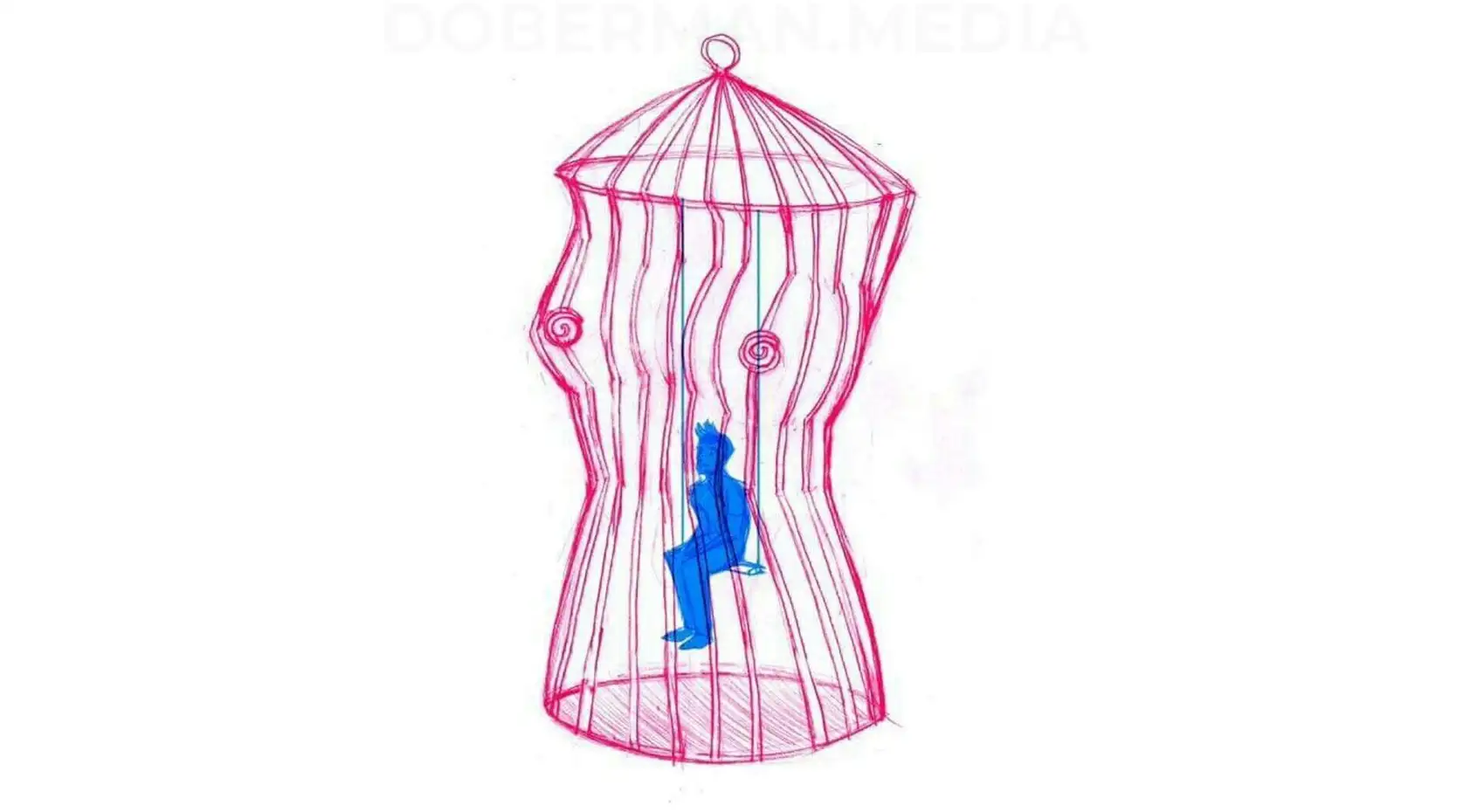

There are more and more transgender people from Russia, Belarus, and other countries in the post-Soviet region coming to Europe. Some leave out of fear of persecution; others because they can no longer access medical care at home. But abroad, they face another barrier—a system where, on the surface, no one seems to forbid them from being themselves, but access to basic things like hormone therapy turns into an ordeal fraught with bureaucracy, mistrust, and humiliation.
Try listening to this and our other podcasts on your favorite platforms on the go, at the gym, at work or while relaxing:


It seems like you ran away, but you were left without a body
Following the ban on gender transition in Russia and the intensification of persecution in Belarus, transgender people are leaving in droves. But emigration doesn’t make life any easier—it simply changes the nature of the threat.
Psychologists call this “double vulnerability”: a person faces discrimination both as a trans person and as a migrant. These two statuses overlap, exacerbating stress, isolation, and the risk of health problems.
According to the European Union Agency for Fundamental Rights (FRA, 2023), около 60% трансгендерных мигрантов в ЕС сталкивались с отказом в медицинской помощи, and nearly half do not see a doctor at all—either out of fear of discrimination or because they cannot afford insurance.
Hormone Therapy: It All Starts with a Prescription—and a Dead End
The first thing most transgender people need is hormone therapy. But there are several barriers right off the bat.
In many countries, prescriptions are issued only after a consultation with an endocrinologist, who must confirm the diagnosis of gender dysphoria. Even if a person already has a history of treatment from another country, it is often not recognized. They must undergo new medical examinations and evaluations.
At the same time, The wait for an appointment with an endocrinologist can take 1–2 years, especially when it comes to countries with free healthcare. Private medical visits are expensive, and migrants often lack insurance—due to their status as asylum seekers, a lack of documents, or simply a lack of money.
Many people can’t stand it anymore and turn to the black market for these drugs. Some order them from Russia or Turkey, while others buy them from acquaintances. But without medical supervision, the risk of side effects increases: blood clotting disorders, heart problems, liver problems, and mental health issues.
Studies have shown that Self-medicating with hormones increases the risk of blood clots and depressive episodes by 2–3 times (Bauer et al., Transgender Health, 2021).
"Doctor, that's not my name."
Even if a trans person manages to see a doctor, that doesn't mean they'll be treated with dignity there.
Mistakes in addressing patients, inactive names in the database, and pronouns based on passport information—for many people, all of this amounts to secondary trauma. When a doctor says, “You’re not like that,” the person walks out not only of the doctor’s office but also of the system.
According to a British organization Stonewall, One in three transgender people stops treatment after experiencing transphobia at a clinic (Stonewall Health Report, 2022).
Each situation like this erodes trust, and as a result, people stop seeking help, even when they are physically unwell.
Documents That Are Missing
Until immigration documents are processed, it is not possible to change one's name or gender on a passport.
This means that trans people spend years living under someone else’s name, with someone else’s documents, and having to give endless explanations at the front desk. For many, returning home is impossible—detention or violence await them there.
Obtaining citizenship or even a residence permit can take up to ten years. During that entire time, a person literally does not exist in the system: they cannot get insurance, legally purchase hormones, or get a referral to a doctor.
What Saves Us
The most stable link in this entire system is the community. Queer organizations and volunteer networks They often become the only source of help. They compile databases friendly doctors who provide consultations and advise patients on where to safely purchase medications.
Psychological Support is just as important. Studies show that participation in queer communities reduces depression levels among migrants by 40% (Meyer, Annual Review of Clinical Psychology, 2020).
"Health begins with the right to be seen and heard. We call for compassion and solidarity.", — said psychologist Yegor Burtsev on the podcast.






0 comments
Enter your email — we’ll send you a one-time code. No passwords or accounts.
Code sent to
If the email doesn't appear in your inbox within a few minutes, check your spam, junk, or promotions folder, as some email services may mistakenly place automated messages there