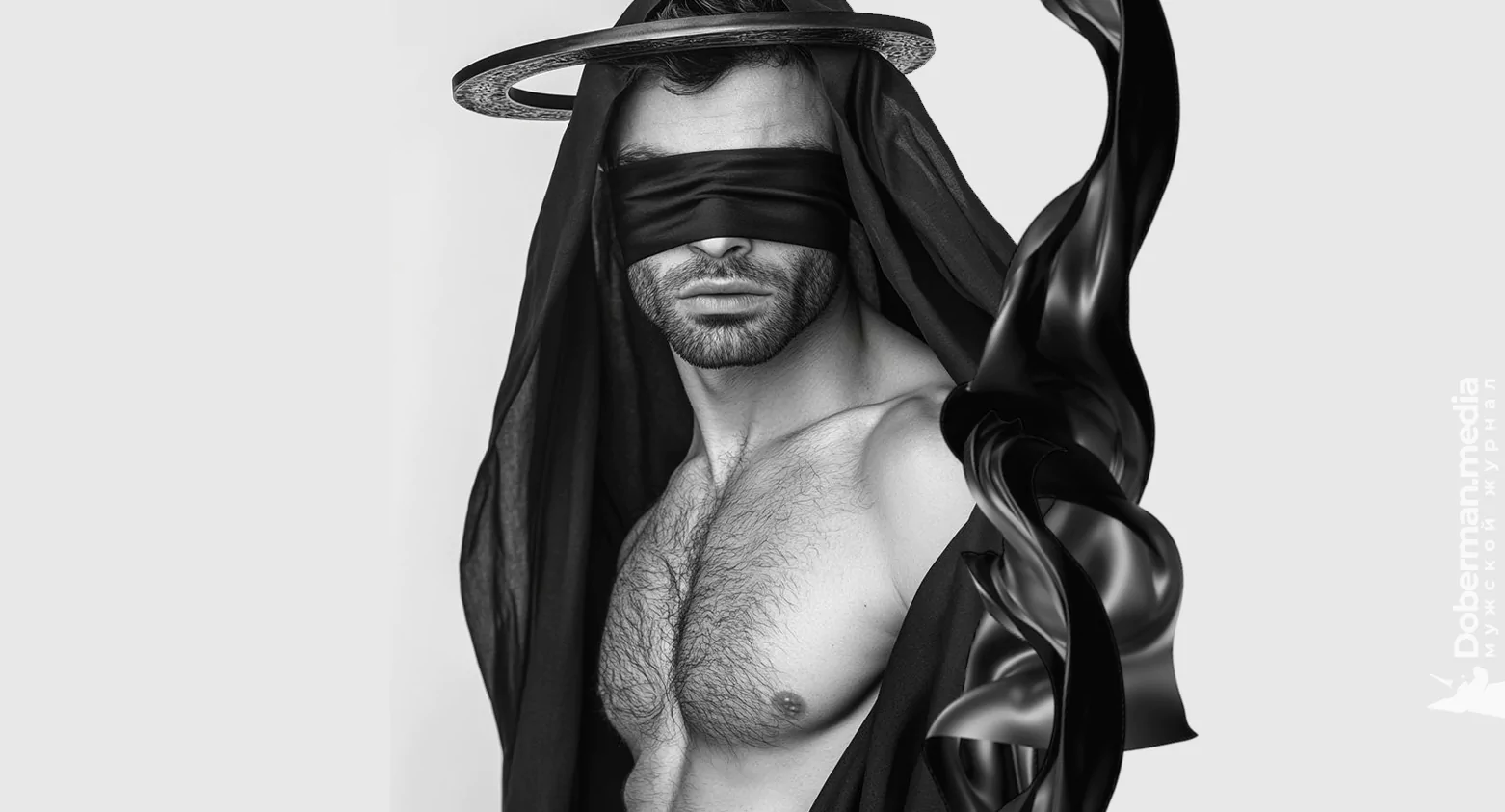

Together with psychologist Yegor Burcev, we delved into the pressing and painful issue of body image standards in the LGBTQ+ community, which is becoming a serious threat to mental health.
Почему до 32% гомосексуальных мужчин говорят о негативном восприятии собственного тела и как в гей-сообществе доминирует “культ мускулистого и стройного тела” и “идеал парадоксально худого, но маскулистого тела”, задающий недостижимые стандарты красоты.
This podcast is a call to reflect on your true priorities and break free from imposed stereotypes in order to maintain your mental health.
Try listening to this and our other podcasts on your favorite platforms on the go, at the gym, at work or while relaxing:


Support independent journalism. This is not a pop-up. You can scroll further or dismiss this notification
Doberman Media works without investors and grants – only thanks to you. Your help, even a small one, allows us to continue our work. Help us survive: subscribe or support one-time. No way to donate? Just forward this text to a friend.

В подкасте обсуждаем: Шокирующие данные: 84% геев испытывают интенсивное давление, связанное с необходимостью иметь “хорошее тело”, что в три раза превышает аналогичные показатели среди гетеросексуальных мужчин.
Психологические последствия: мы разберем, как эти стандарты приводят к дисморфическому расстройству тела (у более 49% геев и бисексуальных мужчин), мышечной дисморфии (у 27,4% гомосексуалов), расстройствам пищевого поведения (более 15% страдали анорексией, булимией или компульсивным перееданием).
Cultural factors: Learn about the role of competition for attractiveness, the compensation for stereotypes, the insularity of communities, and the influence of dating apps that create the illusion of perfection.






0 comments
Enter your email — we’ll send you a one-time code. No passwords or accounts.
Code sent to
If the email doesn't appear in your inbox within a few minutes, check your spam, junk, or promotions folder, as some email services may mistakenly place automated messages there