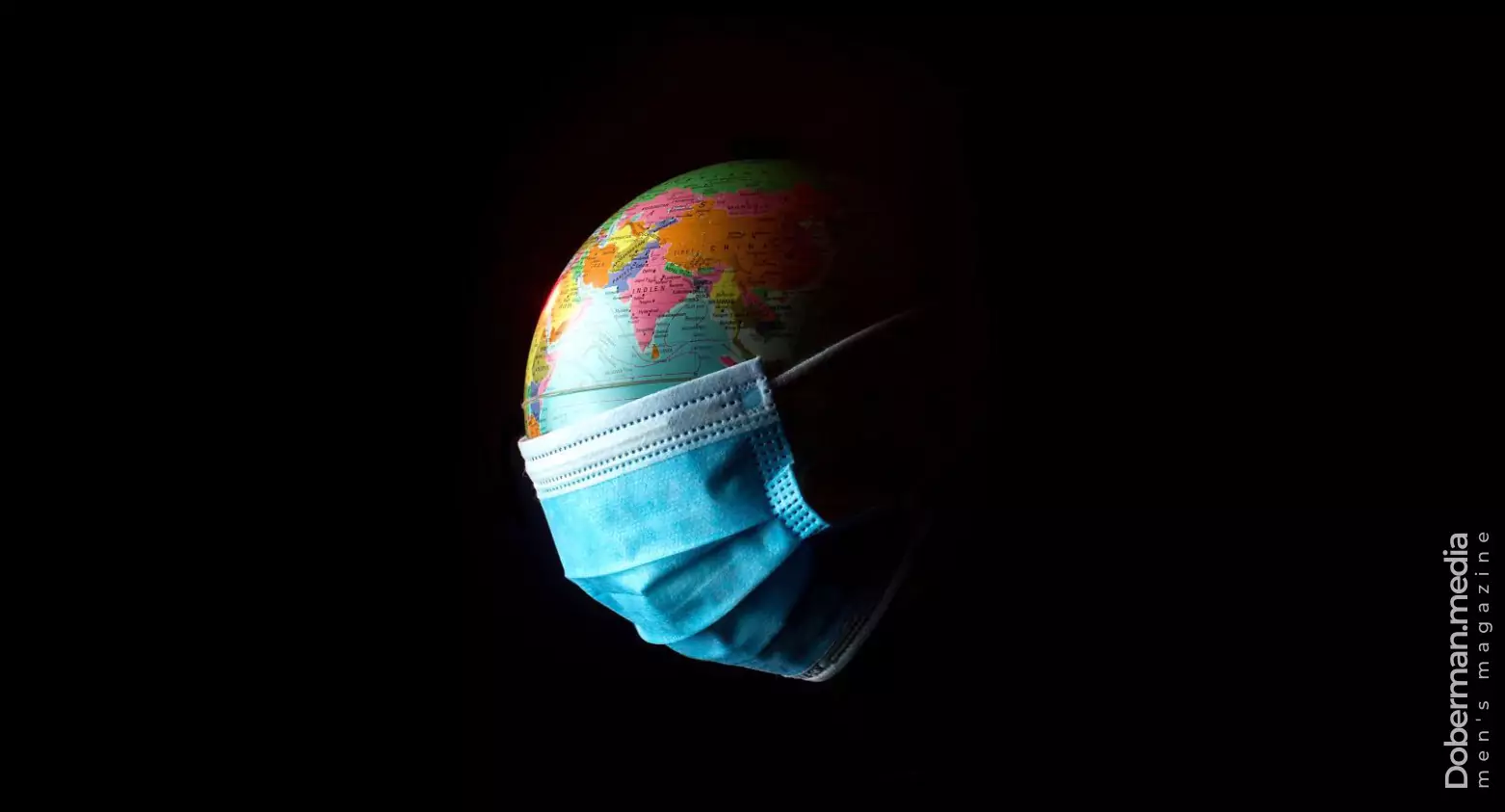

The interview with the virologist covers a wide range of topics: the history and diversity of viruses, including the most dangerous ones (Ebola, Marburg, "Spanish flu"), the importance of vaccination (using smallpox and COVID-19 as examples), The Role of Viruses in Evolution, The Use of Viruses in Biotechnology, Methods for Treating Viral Infections and the functioning of the immune system. The virologist also shares his personal work experiences and views on the profession.
How do viruses affect the evolution of life on Earth?
Viruses play an important role in the evolution of life on Earth, in particular through horizontal gene transfer.
Viruses are an integral part of our planet's ecosystem and play an important role in the evolution of life on Earth. They not only cause disease, but also participate in the formation of genetic diversity and the development of new forms of life.
Считается, что более 50% “тёмной материи” в нашем геноме имеет вирусную природу, что мы получили от предков в ходе эволюции. Например, у гамадрилов есть ген белка, позволяющий клеткам сливаться, который, вероятно, был перенесен вирусом от грибов.
Viruses provide the genetic material for the evolution of all living things. Viruses can affect populations of living organisms by infecting animals and plants. There is a viral hypothesis of the origin of life, which suggests that RNA viruses appeared before cells and played a key role in the emergence of life. According to this hypothesis, the “RNA world” emerged first, followed by proteins and DNA, and only then did cells appear. Viruses, therefore, are the most ancient forms of life, and “the tree of life has its roots in the ocean of viruses.”
The impact of viruses on humans
Viruses can be both dangerous and beneficial. For example, herpes and influenza are very common viral infections that affect almost the entire human population. However, viruses are also used in biotechnology, such as oncolytic therapy to destroy cancerous tumors.
What is the mortality rate from Ebola and Marburg viruses?
Deaths from Ebola and Marburg vary significantly and depend on a number of factors, including the level of care.
Ebola virus
During the epidemic on the African continent, the Ebola virus fatality rate reached 86%. This is an extremely high rate, making this virus one of the deadliest known.
Marburg virus
The case fatality rate for the Marburg virus, although lower than that of Ebola, is still very high. Outbreaks in Central Europe, such as in Serbia, have shown a case fatality rate of 35–36%. The mortality rate from the Marburg virus is linked to the level of medical care and palliative treatment, since there is no specific treatment for this virus. The Ebola and Marburg viruses are untreatable; the body must fight off the infection on its own.
Both the Ebola and Marburg viruses are extremely dangerous to humans, but, as the virologist notes, it is not in a virus’s best interest to kill its host. It is more beneficial for viruses to replicate in the body for as long as possible.
What are the most dangerous viruses?
Several viruses that pose a danger to humans are mentioned, with varying fatality rates and consequences.
Herpes and the Flu: These are the most common viral infections, affecting nearly the entire global population. Although they are not the deadliest, these viruses cause a wide range of illnesses and are a constant part of human life. Most people over the age of 40 have antibodies to herpes in their blood.
Ebola Virus: The Ebola virus epidemic on the African continent was characterized by with a mortality rate of up to 86%, making it one of the deadliest viruses.
Marburg virus: Outbreaks of this virus in Central Europe, particularly in Serbia, have led to mortality rate of 35–36%. Mortality from the Marburg virus is related to the level of medical care and palliative treatment.
The “Spanish flu” virus: This influenza virus, which first appeared in France in 1916, caused a pandemic in 1918–1919. The “Spanish Flu” was extremely dangerous, and it claimed the lives of half of those who died on the battlefields of World War I—more than were killed by poison gas and bullets. The virus attacked the lungs, causing severe pneumonia.
Measles virus: Adults can have a severe case of measles, especially after 2020–2021, when approximately 30,000 adults died of measles in Central and Southern Europe. This underscores the importance of vaccination, as measles contracted in childhood provides nearly lifelong immunity.
Nipah Virus: Nipah virus has a lethality rate 40%, transmitted through coconut milk contaminated with bat feces, and can be transmitted from person to person.
SARS-CoV-2 (COVID-19): The COVID-19 virus probably arose from a mutation of the bat virus. Although vaccines do not guarantee the absence of disease, they reduce the risk of death.









0 comments
Enter your email and we will send you a one-time code. No passwords, no accounts.
Code sent to
If the email does not arrive in your inbox within a few minutes, check your Spam, Junk or Promotions folder — some mail services may wrongly place automated messages there.