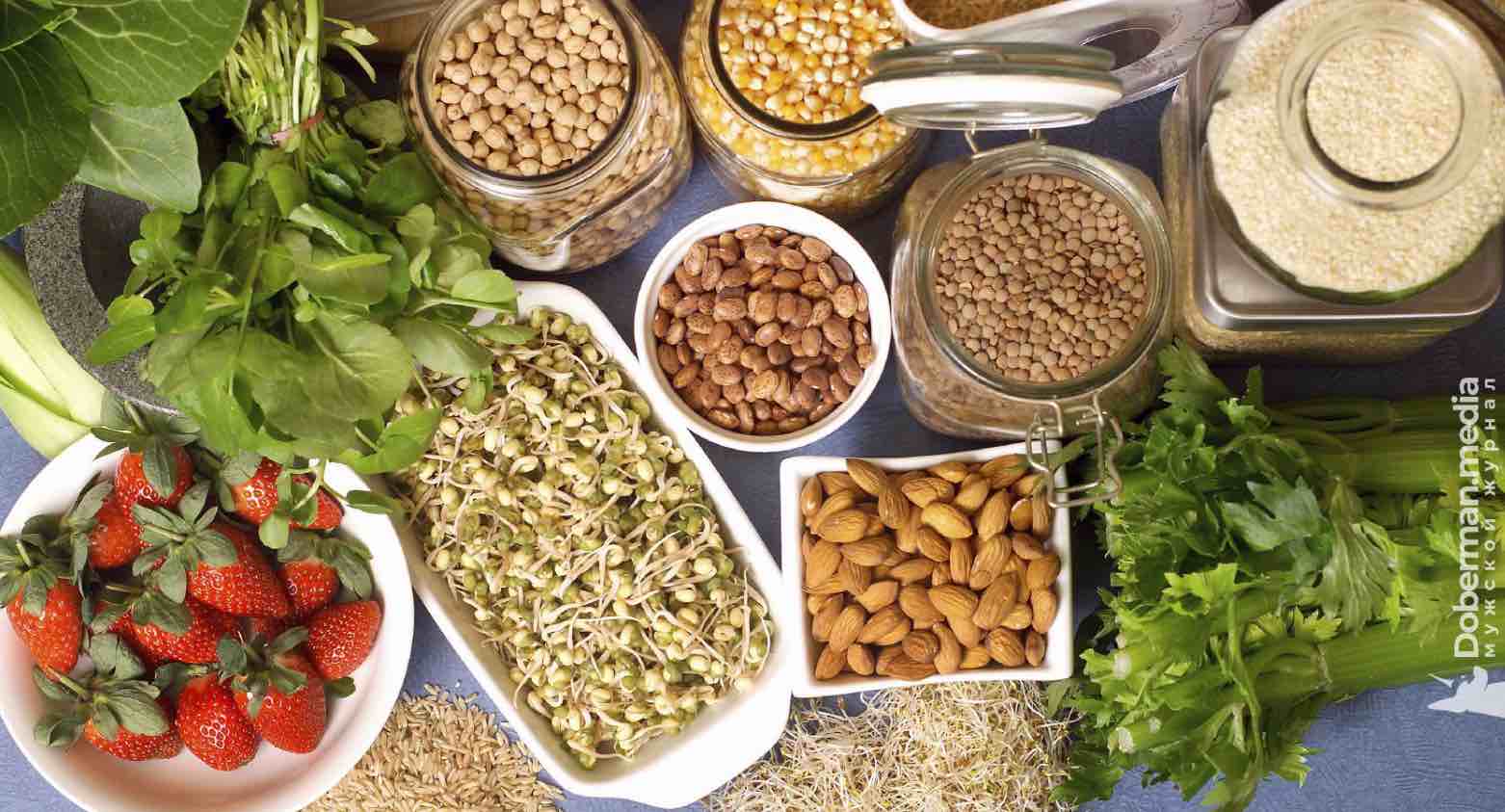

In today's world, full of the temptations of fast food and snacking on the run, it's easy to forget about the importance of proper nutrition. However, taking care of your health begins with the plate. And one of the key elements of a healthy diet is Fiber.
Fiber: what is it and why is it needed?
Fiber is complex carbohydrates that are not digested by our body. While this may seem like making fiber useless, it actually isn't. Fiber plays important role in the metabolic process, ensuring normal digestion and maintaining normal sugar and cholesterol levels.
How many types of fiber are there?
There are two types of fiber: soluble and insoluble. Soluble fiber, found in fruits and some cereals, turns into a gel-like substance in the stomach, serving as food for beneficial bacteria.
Benefits of fiber for men's health
Regulates blood sugar levels: Fiber slows down the absorption of glucose into the blood, preventing sharp spikes in sugar levels. This is especially important for men prone to diabetes or insulin resistance problems.
Normalizes cholesterol metabolism: Fiber helps reduce the level of "bad" cholesterol, reducing the risk of cardiovascular disease. This is especially important for men who lead a sedentary lifestyle or have a hereditary predisposition to heart disease.
Helps digestion: Fiber stimulates the intestines, preventing constipation and other digestive problems.
Provides satiety: Fiber physically fills the stomach, creating a feeling of fullness and helping to control appetite. This can be helpful for men looking to lose weight or keep it normal.
Improves athletic performance: Athletes are recommended to consume up to 40 g of fiber per day, as it helps maintain stable energy levels and improves recovery after training.
What is the danger of a lack of fiber?
A lack of fiber in the diet can lead to various health problems:
● Poor digestion: constipation, bloating, discomfort.
● Increased blood glucose levels: risk of developing diabetes.
● Cholesterol deposition on the walls of blood vessels: risk of cardiovascular diseases.
Foods rich in fiber
Fiber sources can be divided into several categories:
Cereals:
● Bran: Leaders in fiber content – up to 45% of the weight.
● Whole grain cereals: овсянка, гречка, киноа (10-15% клетчатки).
● Legumes: чечевица, фасоль, нут (9-13% клетчатки).
Seeds and nuts:
● Chia seeds: более 30% клетчатки.
● Flax seeds: до 25% клетчатки.
● Nuts: особенно богаты клетчаткой макадамия и фисташки (10% клетчатки).
Vegetables and fruits:
● Dried mushrooms and dried fruits: 10-12% клетчатки.
● Berries: черника, брусника (5-8% клетчатки).
● Vegetables: 2-5% клетчатки, но за счет большего объема порции обеспечивают достаточное ее количество.
How to increase your fiber intake?
- Include fiber-rich foods in every meal.
- Replace white bread with whole grain.
- Add bran to cereals, yogurts and pastries.
- Increase your intake of vegetables and fruits.
- Snack on nuts and seeds.
Fiber is an indispensable element of a healthy diet. Adequate intake will help you maintain a healthy weight, improve digestion, reduce your risk of chronic disease, and increase your energy levels. Include fiber-rich foods in your diet and enjoy all its benefits for your health and well-being!








0 comments
Enter your email — we’ll send you a one-time code. No passwords or accounts.
Code sent to
If the email doesn't appear in your inbox within a few minutes, check your spam, junk, or promotions folder, as some email services may mistakenly place automated messages there