

Terrorist attack, What happened on Saturday, July 25, 2026, during the celebration of Christopher Street Day (CSD) in Berlin, became not only a human tragedy, but also a boiling point in the public debate about radical Islamism, the effectiveness of deradicalization programs and security measures at mass events. The attack, which killed a woman and injured dozens of people (numbers range from 16 to 29 in different reports), exposed vulnerabilities in the defense of liberal society.
Chronicle of the attack: the tactics of the "meat grinder"
At about 22:00 local time, a white Citroen van, rented in the name of the main suspect, turned off the road and headed at high speed into the crowd of pride participants in the Tiergarten park.
According to eyewitnesses and investigation data, the driver "deliberately turned the steering wheel to the sides, trying to knock down as many people as possible". After the car crashed into a tree, the attacker did not stop: he jumped out of the car and began to attack passers-by with a machete.
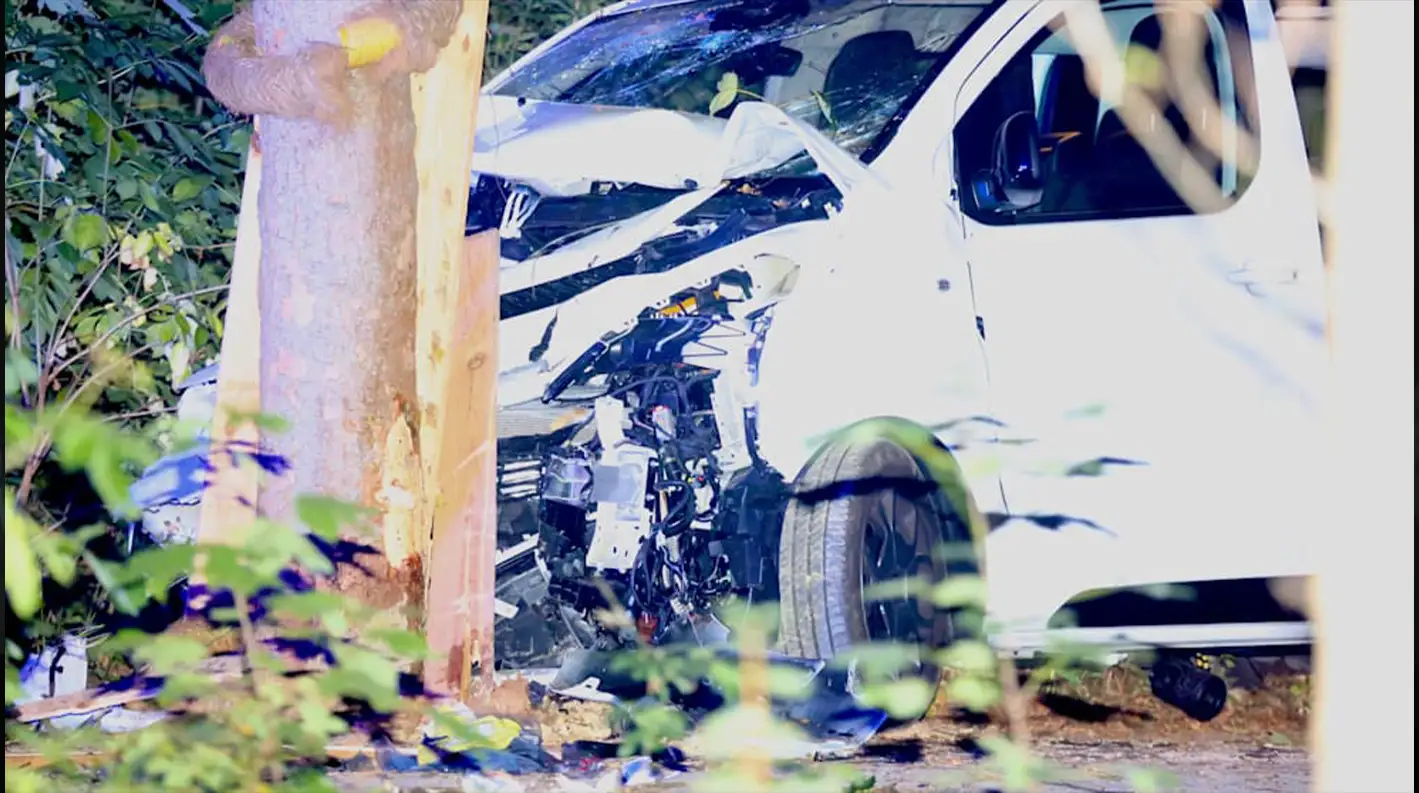
As a result of the collision, a woman died on the spot, and the number of wounded, according to updated data, reached 29 people, while three were in critical condition. Witnesses described the atmosphere as "creepy", with hundreds of people leaving the park in tears and shock, and rescuers setting up tents to provide psychological assistance.
Portrait of a Terrorist: Abdul Ballut
The main suspect was a 21-year-old Abdul Ballut, a German citizen of Lebanese origin. His biography is a classic example of the failure of attempts at integration and deradicalization:
Despite the fact that his family identifies as Shia, Ballut converted to Sunni Islam and became a supporter of the Islamic State. His father claimed that his son was "brainwashed" and recalled the controversy over Abdul's desire to wear a long beard.
Before the terrorist attack, he was already known to the police in cases of extortion and grievous bodily harm.
In 2025, he tried to leave for Syria to join the militants, but was detained in Lebanon and deported to Germany.
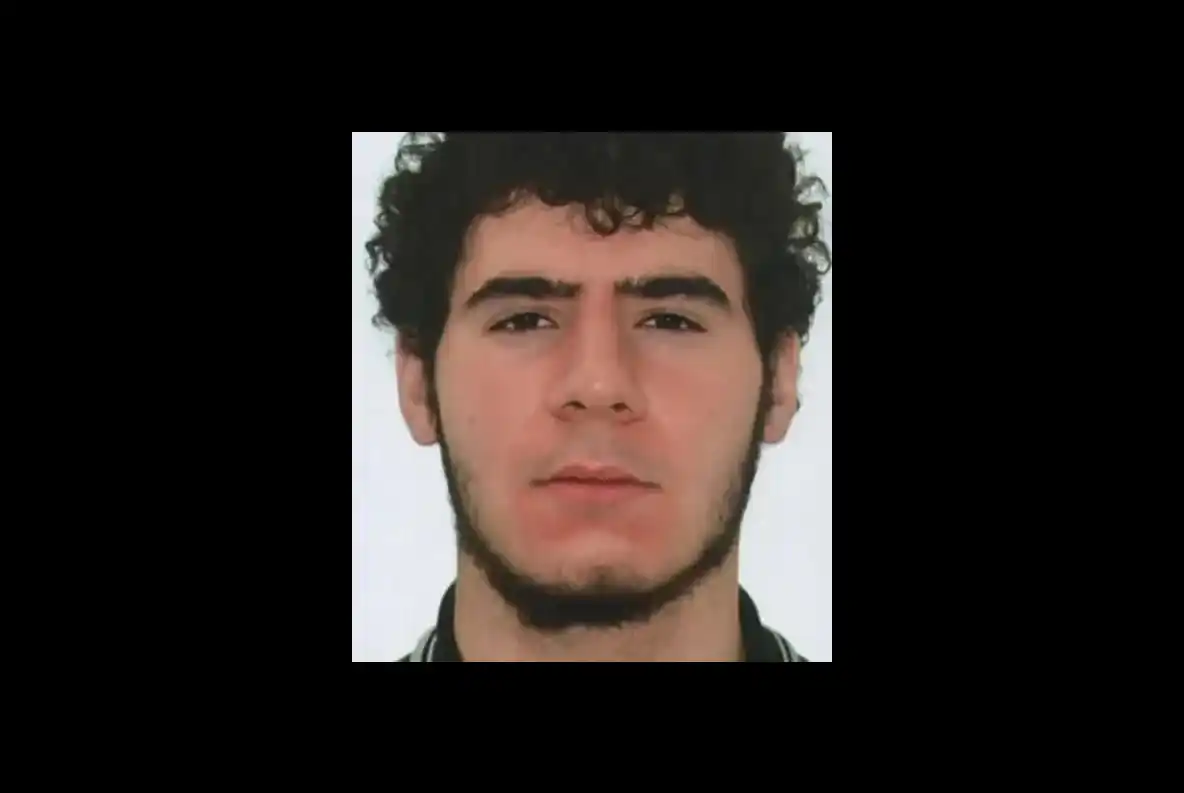
The situation is particularly acute due to the fact that in May 2026 the court sentenced him to suspended sentence (1 year and 10 months) for the preparation of a serious crime against the security of the state. He was ordered to undergo 26 consultations on deradicalization, of which he attended only two before the terrorist attack.
Security failures
The tragedy caused a flurry of questions to law enforcement agencies. How could a person who was being monitored and whose phone was tapped carry out such a large-scale attack?
2200 police officers were allocated to protect the pride and 200 anti-ram blocks were installed. However, BILD correspondents found out that 20 minutes before the attack, the barriers began to be moved to the side, although officially the event lasted until 23:00.
The attacker chose a less protected route through the Tiergarten (this is Largest public park and the eponymous central district of Berlin), along which the participants dispersed to the subway.
After committing the crime, Ballut was hiding for almost a day. He was discovered by special forces in a garden partnership in the Spandau district and shot dead while trying to attack police officers with cold weapons.
Political reaction: "Declaration of war"
Politicians of the right and center-right reacted to the terrorist attack with demands for radical reforms.
Friedrich Merz (German Chancellor) called the incident a "heinous crime" and "an attack on our society."
Johannes Winkel (head of the youth wing of the CDU) spoke even more harshly: "One ideology declares war on our society, but instead of defending itself... We refuse to hear this declaration of war.".
Stefan Evers (CDU) directly called Islamism "the greatest danger to the LGBT community", urging them to stop hushing up this problem.
The events in Berlin demonstrate a dangerous gap between the level of threat and countermeasures. According to statistics, there are about 450 potential Islamist terrorists ("dangerous persons") and more than 9100 people prone to violence. In Berlin alone, there are about 2,600 Islamists.
The case of Abdul Ballut shows that the system of suspended sentences and voluntary deradicalization courses is ineffective against ideologically convinced extremists.
As Wolfgang Kubicki (FDP) noted, Germany is faced with a situation over and over again when the criminals were already known to the police, but this did not prevent the tragedy. The terrorist attack in the Tiergarten is likely to become a catalyst for tightening migration laws, deportation rules and procedures for supervising radical elements in Germany.







0 comments
Enter your email — we’ll send you a one-time code. No passwords or accounts.
Code sent to
If the email doesn't appear in your inbox within a few minutes, check your spam, junk, or promotions folder, as some email services may mistakenly place automated messages there