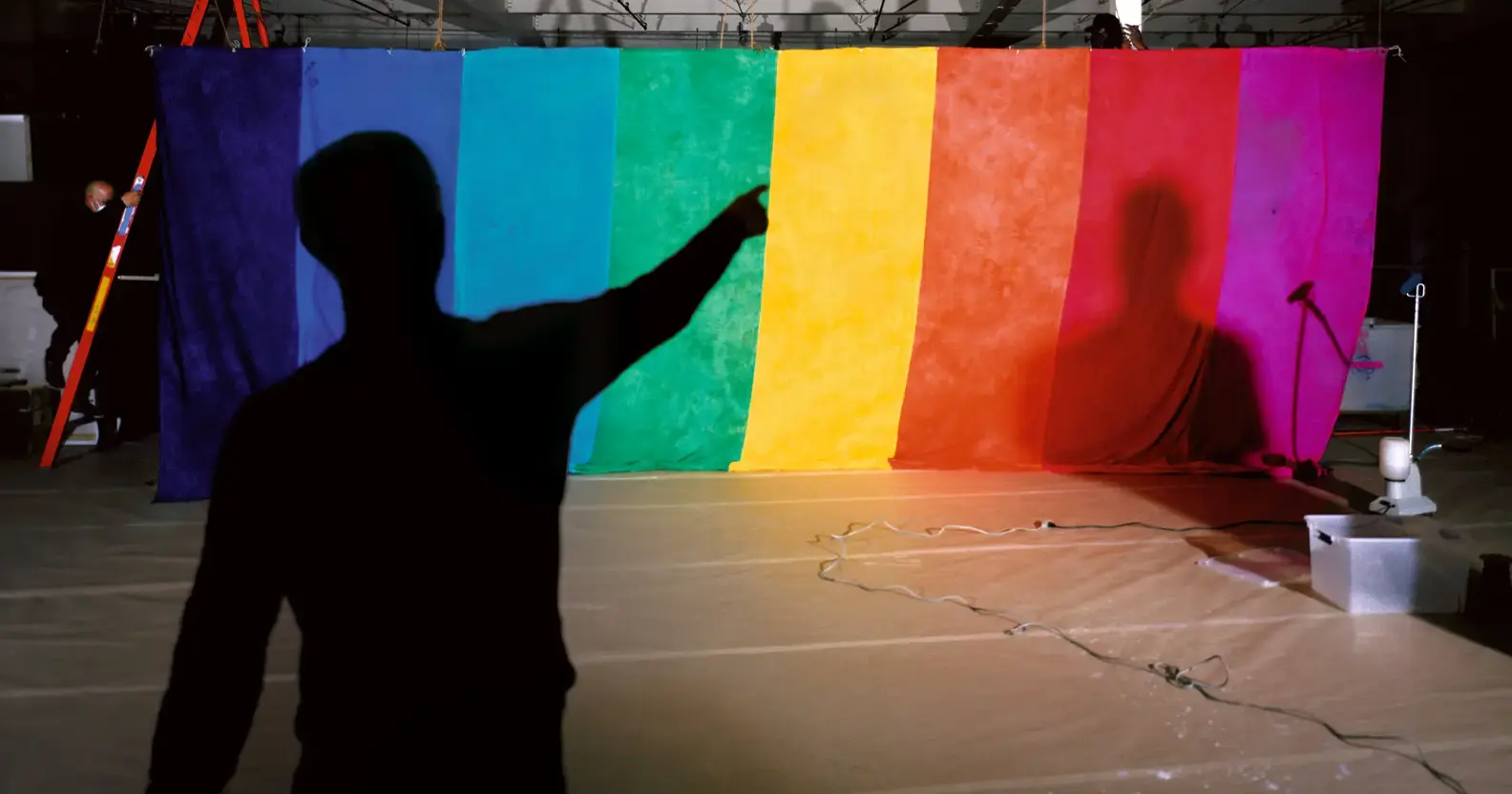
In the publication The New York Times turned around A large-scale discussion about the meaning of the words "gay" and "queer". The occasion was an essay by activist Matthew Vines, who said that he prefers to call himself "gay", as this term seems to him more human and less confrontational than Radical "queer". Newspaper readers The New York Times "From veterans of the movement to law professors," he was told, explaining why the argument went so much deeper than just a choice of words.
Briefly about what is happening
- Matthew Vines believes that the identity of "gay" emphasizes equality with all other people, while "queer" aims to undermine social norms and oppose the majority.
- Opponents argue that dividing the community into "acceptable" and "radical" only weakens it in the face of political threats.
- Context: The controversy comes amid a growing conservative agenda in the United States (the MAGA movement), which attacks the rights of LGBTQ people, regardless of what terms they use.
Why does "being like everyone else" no longer work?
For years, the rights strategy was based on the "non-threatening similarity" argument: gay couples are the same as everyone else and want the same rights, such as marriage. However, experts note that this strategy has reached its limit. Robin Marile, associate professor of law, emphasizes that democracy is not about imposing a single way of life, but about being different and at the same time flourishing together. In her opinion, it is "queer life" with its stubborn demand for dignity that is a form of resistance to the degradation of democratic institutions.
Radicals and lawyers are one team
One of the striking answers came from James Dale, a veteran of the movement who sued the Boy Scouts of America in the 1990s for the right to be a member. He recalls that the radical activists of the Queer Nation and the conservative lawyers who sought the legalization of marriages have always been part of the same movement. "It was the queer radicals who gave me the courage to fight for a place in America's most respectable institution," Dale writes, insisting that there is no gulf between the street protest and the courtroom that Vines is talking about.
Ethical Choices: Responsibility to the Weak
The dispute over terms also touches on moral issues. Professor Shannon Brennan compares queer politics to Christian ethics: both call for care not for those who have power, but for those who are rejected by society – the homeless, refugees, people deprived of medical care. From this perspective, "queer" is not just a label, but a duty to protect the most vulnerable members of a community, while "gay identity" is often limited to demanding acceptance for oneself.
Fear or pride?
Vines' critics note that his reluctance to use the word "queer" for fear of offending or confusing heterosexual people is a path dictated by fear, not dignity. Griffin Larson-Erf notes that the task of the allies is to protect the right of the individual to be radical and changeable, and not to force him to "moderate" for the comfort of the majority.
Even those who previously shunned politics are beginning to reconsider their views. The Rev. Sean S. Brown admits that while he has always considered himself "gay," the current crackdown on human rights makes him think it's time to become "much more vocally queer" than ever before.



0 comments
Enter your email and we will send you a one-time code. No passwords, no accounts.
Code sent to
If the email does not arrive in your inbox within a few minutes, check your Spam, Junk or Promotions folder — some mail services may wrongly place automated messages there.