
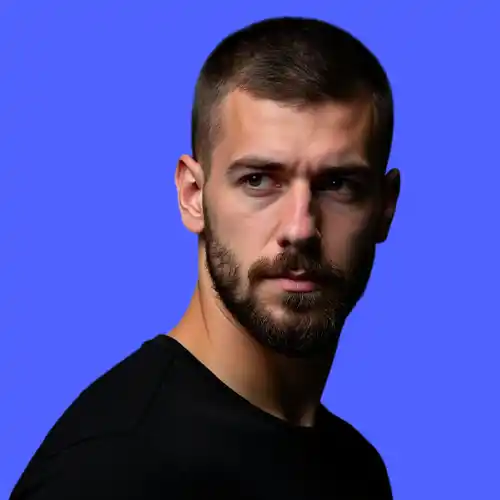
In Europe, the trend toward naturalness and the “bear” aesthetic has replaced the decades-long trend toward the perfectly smooth body. Now, men who prefer to remove their body hair admit that they face pressure and even shaming. Let’s take a look at how standards of masculinity have changed.
Table of Contents
From “Castro clones” to the “sterile” cleanliness of the ’90s
Attitudes toward body hair in queer culture have always been an indicator of broader social changes. In The 1970s The “Castro Clone” aesthetic dominated—a hypermasculine working-class look: tight-fitting Levi’s jeans, plaid shirts, mustaches, sideburns, and, of course, a noticeably hairy chest.
The situation changed dramatically in the 1980s. The rise of the gym culture and the trend toward hairless bodies were, in part, a reaction to the AIDS crisis: many people wanted to look as “healthy” and well-groomed as possible.
This “smooth” standard took hold in the ’90s and early 2000s, becoming a hallmark of attendees at major dance parties (circuit parties), where everything—from chest hair to belly hair—was removed with wax.
Back to the Roots
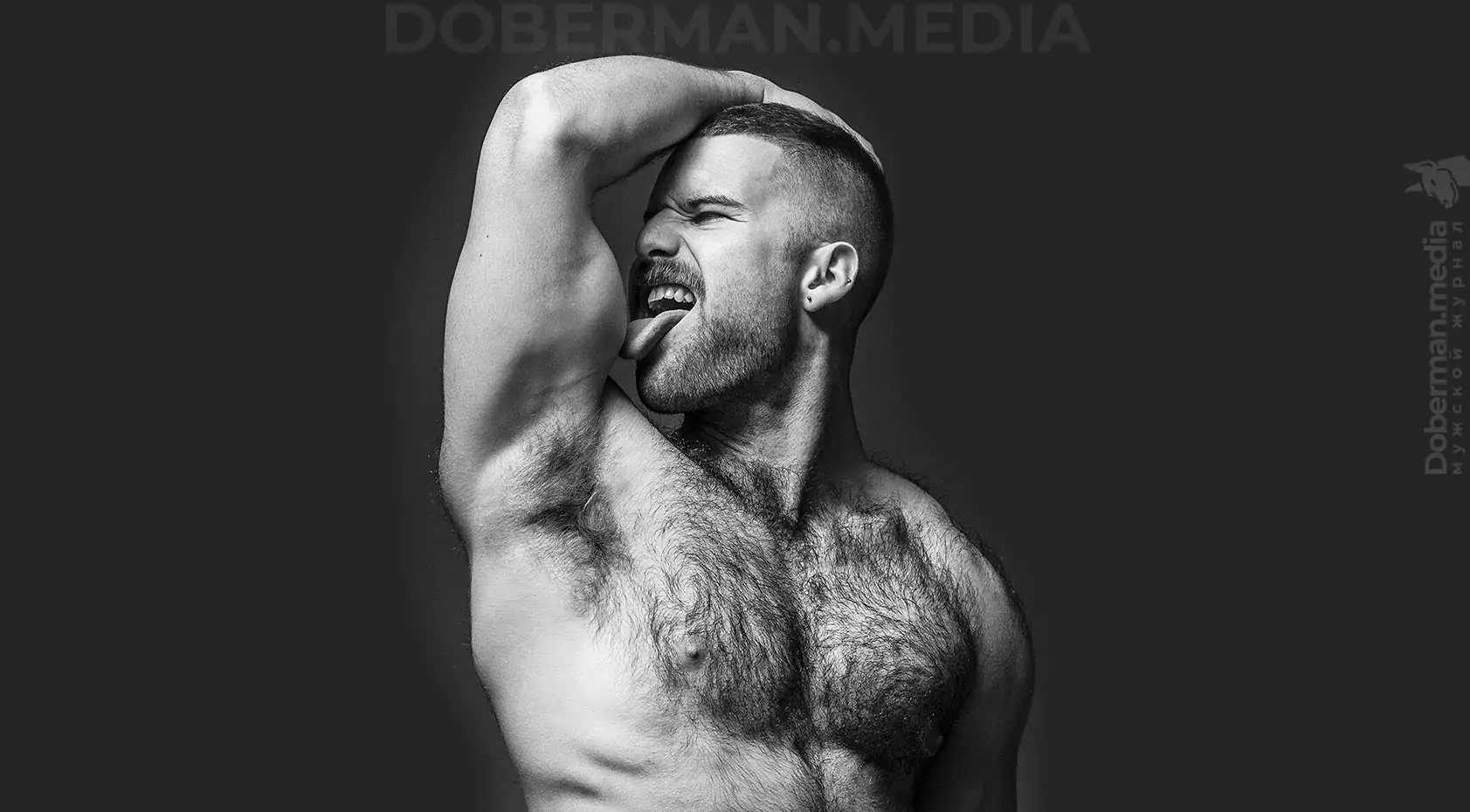
Over the past 15 years or so, the opposite trend has been observed. In major metropolitan areas, the gay community has begun a widespread return to beards and natural hair on the body. Social media has accelerated this trend: accounts like The Bearded Man They made the image of a man with thick body hair the new standard, and even those who had not previously identified with these subcultures adopted the attributes of “bears” and “otters.”
These days, in gay clubs from Brooklyn to Silver Lake, it’s much easier to spot a man with an “unruly mane” peeking out from under his T-shirt than someone with a perfectly shaved chest. In response to a selfie asking, “Should I shave?”, social media users now almost unanimously reply: "No," "Never," and "Don't even think about it".
Should I shave my chest???
— Dillon Riley (@gymdiver101)July 11, 2025
Why Was the Gloss Late?
GQ magazine recently published an article titled “Hairy Chests Are Sexy Again.” However, to the gay community, this claim seems at least a decade out of date.
While mainstream advertising and film still often require actors to have “baby-smooth” skin, standards in real life have long since changed. Even stars like Jonathan Bailey no longer feel the need to shave their beards for fashion shoots.
A New Form of Shaming
A side effect of the trend toward naturalness has been a biased attitude toward those who still prefer to shave. The author of the article, Johnny Lopez, notes that men who groom themselves with a razor face criticism today, which he compares to “bottom-shaming.”
The book describes an incident at a pool party where a man’s decision to shave his chest hair provoked an aggressive reaction from another guest, who declared, “I’m a man, and men have body hair.” Lopez highlights the irony of the situation: often, the very same people who oppose shaving their chests spend a great deal of effort in the shower trying to achieve perfect smoothness in other areas.
Personal Choice Versus Social Expectations
Johnny Sibilli, an actor on the series *Hacks*, admits that for a long time he felt pressure and felt he had to shave his chest hair, until he realized that He shouldn't let other people's opinions take precedence over his personal care.
Ultimately, experts and participants in the discussion agree on one thing: the trend toward hairy chests represents a positive acceptance of one’s body, but it should not become a tool for bullying. Personal comfort and the right to use a trimmer in silence must remain a priority, regardless of what the latest fashion magazine declares to be sexy.






0 comments
Enter your email — we’ll send you a one-time code. No passwords or accounts.
Code sent to
If the email doesn't appear in your inbox within a few minutes, check your spam, junk, or promotions folder, as some email services may mistakenly place automated messages there