

Body positivity is dead. The trend of “accepting yourself as you are” has been replaced by a trend of “remaking yourself however you want.” The aesthetics of old Hollywood are making a comeback. Medical advances (as always), a craving for conservatism, and the return of the “classic” body ideal are blamed for it all. And while people used to work out in gyms to achieve their dream bodies, today the results come from Ozempic and the right plastic surgeon. On this topic writes Vanessa Friedman in a new article in The New York Times. Doberman Media briefly outlines the essence of new global trends and what they might lead to.
Table of Contents
Why have we started reshaping our bodies to suit fashion trends again—and where will this lead?
In recent years, it seemed as though the world had finally embraced the ideas of body positivity and self-love regardless of weight. However, we are now witnessing a sharp reversal: designers, the medical community, and the tech industry have joined forces to create the defining trend of the next quarter-century— the complete reconstruction of one's own body. Natural beauty is being replaced by weight-loss injections, extreme corsets, and prosthetic enhancements.
We explore how the fashion and tech industries are forcing us to “reassemble” ourselves and why the “natural” body no longer exists.
Is body positivity really dead?
It seems so. It ended up being crushed under the weight of GLP-1 drugs (such as Ozempic and Mounjaro), as well as corsets, crinolines, and tournures. Whereas brands used to at least pay lip service to the idea of self-acceptance, the trend has now returned to the runways and red carpets: extreme thinness, supplemented by artificially created curves,
Celebrities who were once considered icons of the “thicc” (curvy) movement—such as the Kardashian sisters, Meghan Trainor, Amy Schumer, and Lizzo—are now showing off their new, much slimmer figures, accentuated by the same corsets.
How exactly does the fashion industry encourage people to “reshape” their bodies?
We have entered a new the era of reconstruction. First, the body is reduced to a minimum using pharmaceuticals, and then clothing is used to give it the form of an “extreme imitation” of itself.
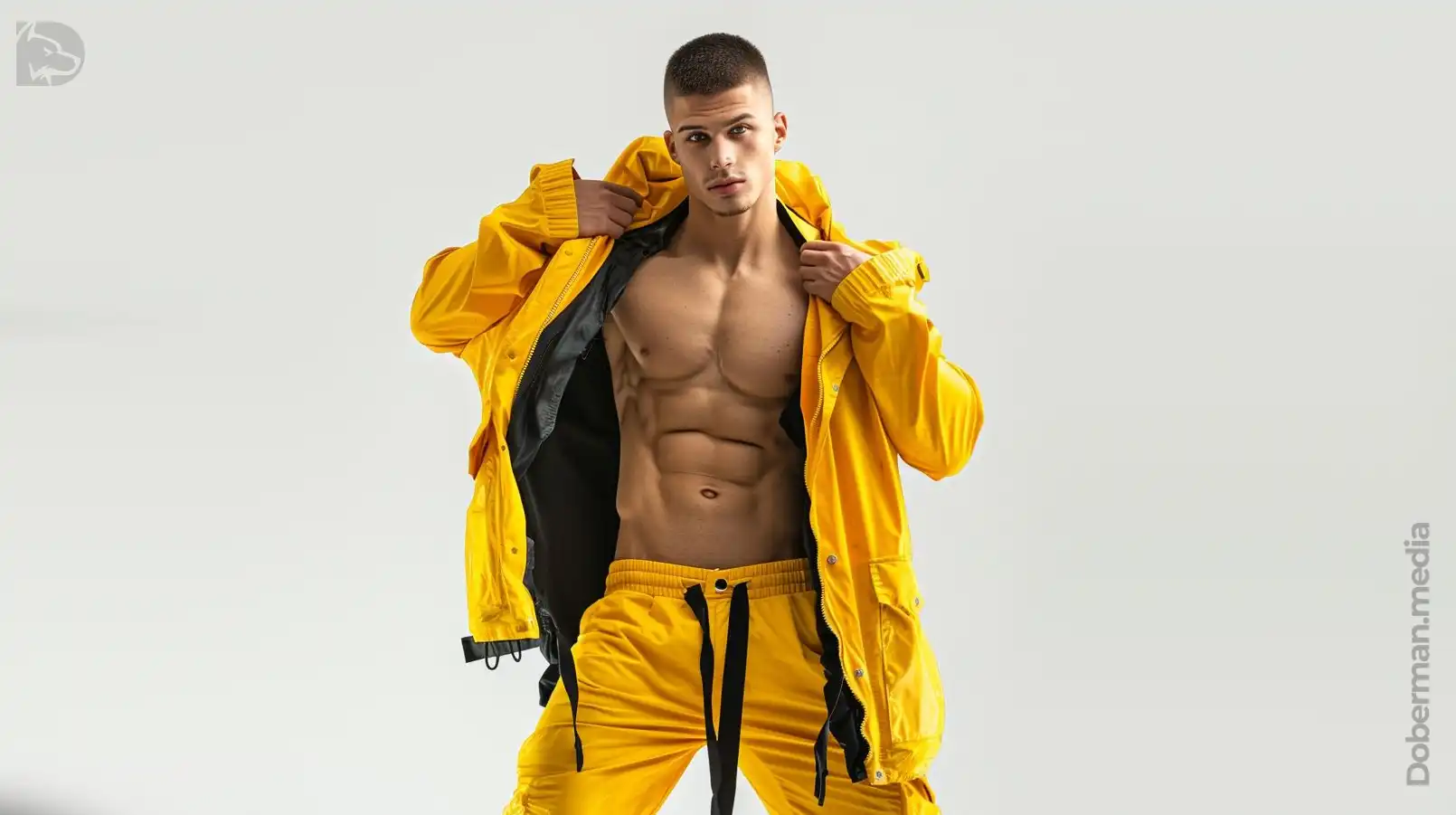
Here's what it looks like in practice.
In women, this is exaggerated figures. Designers are using petticoats (skirt frames) that look like bouncing rubber balls (Dior), or adding “cartoonish” curves to jumpsuits (Gaultier). Also popular are corsets and an emphasis on the bones. For example, Schiaparelli and other brands literally “carve out” sharp angles at the hipbones and cinch the waist with a stiff corset. Also popular are artificial body parts, even the shapewear brand Skims has started offering pieces with extra padding on the hips and buttocks, as well as bras with built-in “visible” nipples.
Body modifications are becoming popular among men, too
Men's Push-Up are special inserts or underwear with linings that visually increase the volume in the groin area, creating a more noticeable "bump". They are often made of sponge, silicone, or foam, and are designed to be worn under casual clothing, swimming trunks, or shorts.
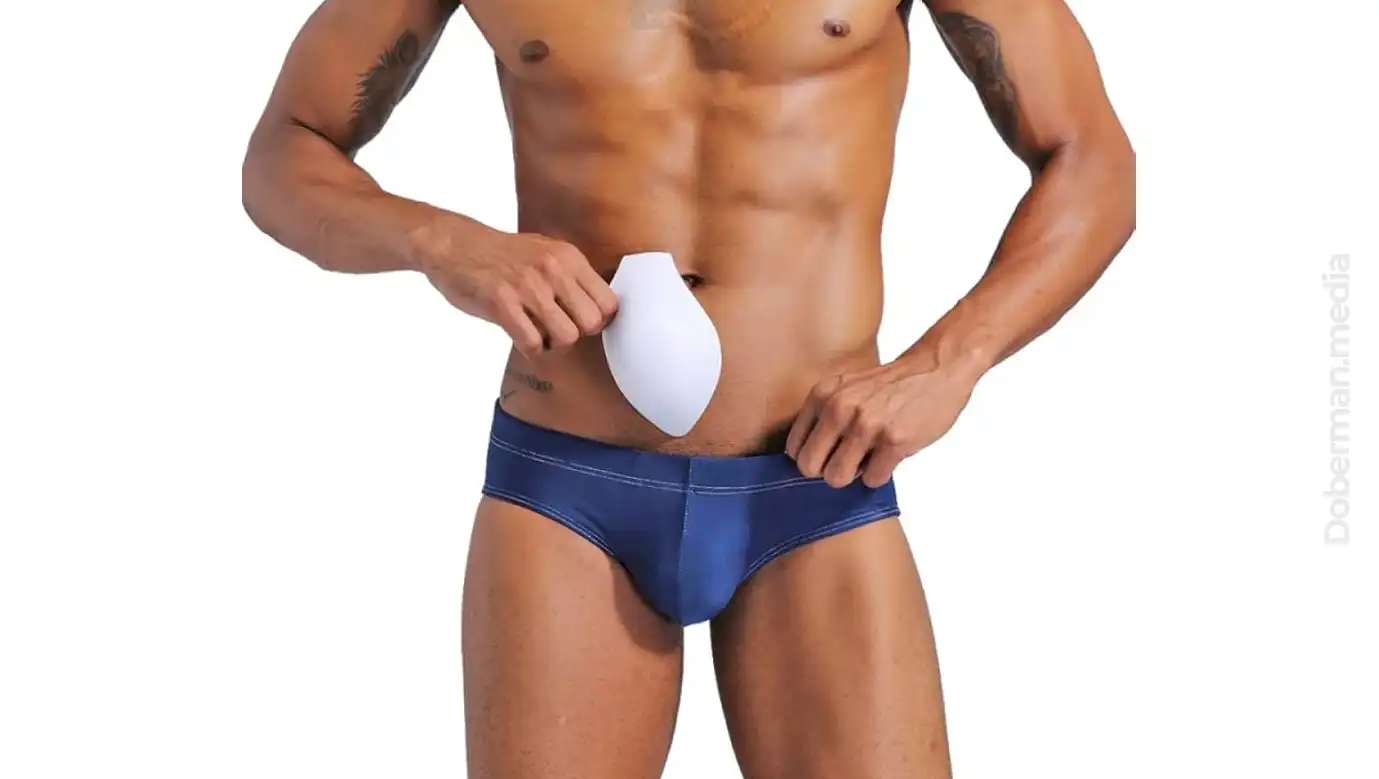
Popular brands include Real Men, Wisfancy, and Rounderbum, which offer styles such as boxer briefs with a 3D pouch or separate inserts. For example, 4-packs are available on Amazon at a low price, with an emphasis on comfort and a natural look. These products are marketed as a way to boost confidence, especially in styles designed for swimming or sports, and by 2026, the product line had expanded to include silicone options for durability.
Shoe inserts to increase height (insoles). Shoe lifts, or height-increasing insoles, are adjustable inserts that add 1 to 3 inches (2.5–7.6 cm) of height and are invisible from the outside. They are typically multi-layered, feature cushioning for comfort, and are suitable for sneakers, boots, or dress shoes. In 2026, top models include Dr. Shoesert with a 3-layer system, SOL3 with a gel cushion (up to 2.4 inches), and 6FT CLUB with air chambers for cushioning.
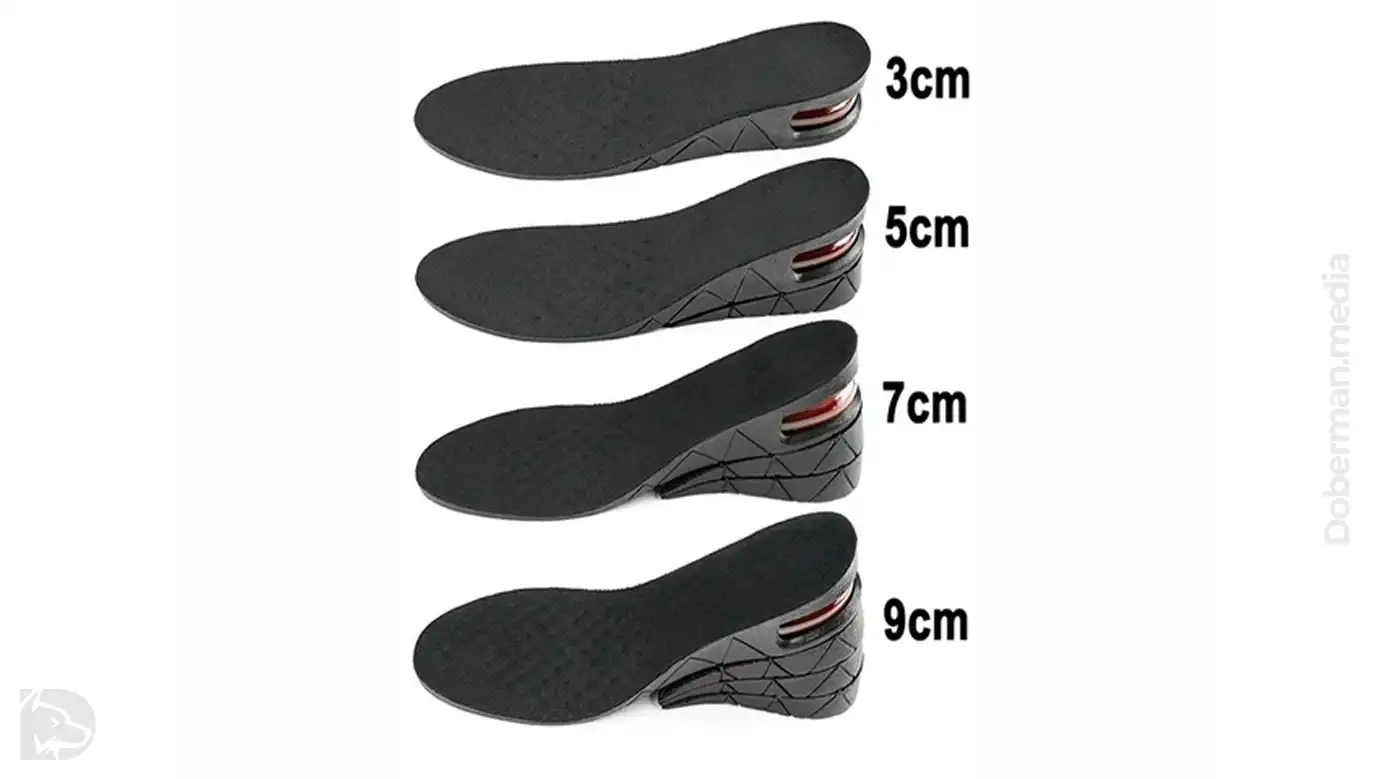
These inserts are lightweight, breathable, and adjustable—you can add or remove layers as needed. They are recommended for high-top boots to avoid being noticeable, and are often used to correct posture or simply for aesthetic purposes.
Butt-enhancing pads. Men's butt pads or enhancers are underwear with built-in or removable butt pads that create a fuller, firmer look. Materials: foam, silicone, or polyurethane, often found in boxers or briefs. Brands such as Leo, Butt Booster LLC, and Leonisa offer naturally shaped styles, such as the Instant Butt Lift Padded Brief with contoured lifting inserts.
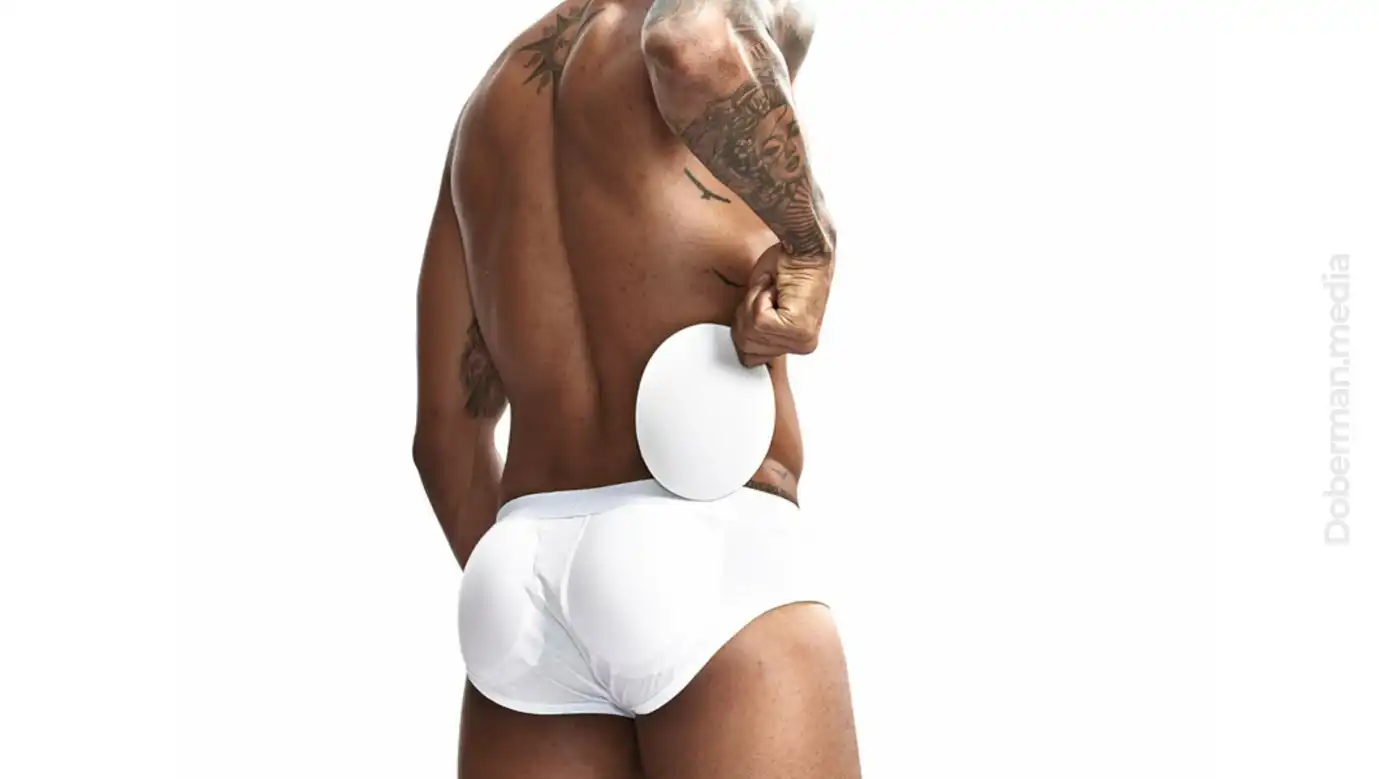
They help balance the body’s proportions, especially for those who want to accentuate their lower body. In 2026, the focus is on seamless designs that are invisible under clothing, with options for different waist sizes (from 32″ to 34″). Available on Etsy, Amazon, and specialty websites, with a focus on comfort and natural materials.
The Lyst search engine has identified a trend "Wearing the Body" ("Wearing the Body") is one of the defining trends for 2026. Searches for "sculptural" clothing rose by 52%, and interest in bustles increased by 35%.
Support independent journalism. This is not a pop-up. You can scroll further or dismiss this notification
Doberman Media works without investors and grants – only thanks to you. Your help, even a small one, allows us to continue our work. Help us survive: subscribe or support one-time. No way to donate? Just forward this text to a friend.

Why is this happening right now?
Schiaparelli Creative Director Daniel Roseberry notes that fashion today merely mirrors people’s “frantic desire.” According to him, customers don’t want simple things—they want "fabricated silhouette".
Experts cite several reasons for this phenomenon:
Political conservatism: The resurgence of conservative gender views goes hand in hand with narrower waists and the triumph of the “hourglass” silhouette. This marks a return to the ideals of the mid-20th century.
Technological Progress: Changing one's body has come to seem "easy and painless." In the past, making changes required diets, surgery, or grueling workouts. Now, all it takes is an injection and the right dress.
The Impact of Digital Reality: We live in a world of filters and FaceTune. At some point, people started to feel pressure: they needed to “catch up” to their virtual image, to make their real bodies as sculpted as their digital copies.
But isn't that harmful to one's mental health?
Psychoanalysts, such as Suzy Orbach, consider the current situation to be “the cultural equivalent of foot-binding.” There is a risk of serious the dissonance between the physical and psychological "self".
It used to be believed that psychological trauma manifested itself physically. Now, however, experts believe the opposite is true: dissatisfaction with one’s physical condition (which now seems easily correctable) causes psychological distress. Furthermore, while body modifications (tattoos, scarification) used to be a sign of belonging to a particular group and remained permanent, they have now become part of consumer culture and change as quickly as a social media feed.
And what do the people who wear these clothes have to say?
Interestingly, many women don't see this as a limitation, but rather as a way to gain control. Amid public debates over who should have control over a woman’s body, the ability to literally “reassemble” or “encase in a cocoon” one’s own flesh becomes an act of choice and safety.
Designers such as Dilara Findikoglu claim that they are reimagining the corset: whereas men once used it to confine women, women now wear it to feel “empowered.”
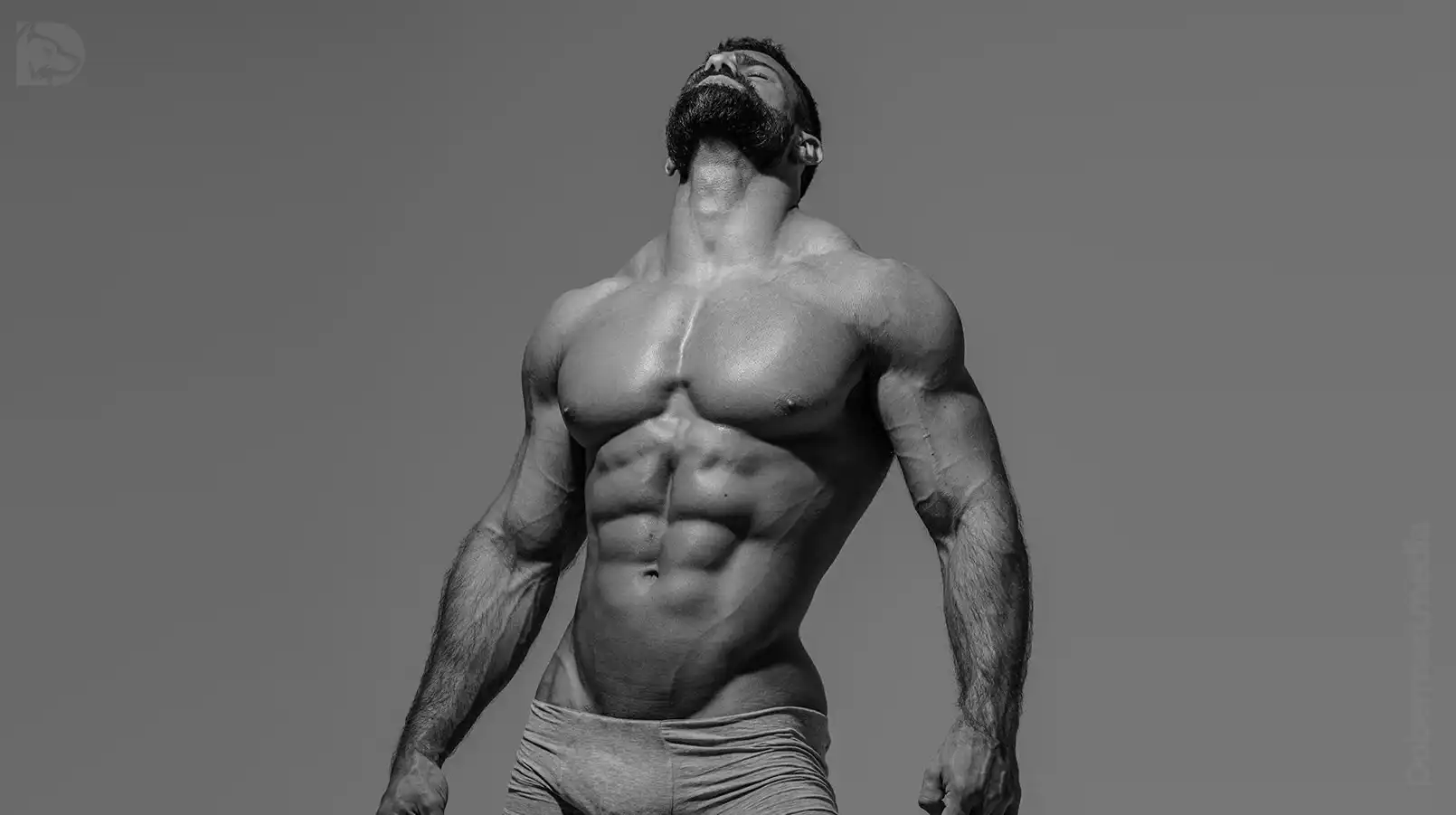
Can't we just leave the body "as is"?
The problem is that the “natural” body is, in a sense, a construct as well. As Valerie Steel, director of the museum at FIT, notes, the body It was never natural. For centuries, humanity has altered it through tattoos, high heels, diets, or bodybuilding.
What happens next?
We’re likely to see a strong backlash. Some celebrities, such as Kate Winslet, have already begun speaking out against the pursuit of Instagram perfection, preferring tuxedos to corsets. The value of “authenticity” and of things “touched by a real person” is on the rise.
Nevertheless, the pendulum is still swinging toward the artificial. The theme of the upcoming Met Gala is— "The Clothed Body" (The dressed body) — will likely mark the culmination of this trend, where the line between flesh and design will finally blur. According to Daniel Roseberry, we don’t yet understand just how dangerous this experiment could be: “It’s like mercury in baby cribs. We have no idea how badly this could end for us.”









0 comments
Enter your email and we will send you a one-time code. No passwords, no accounts.
Code sent to
If the email does not arrive in your inbox within a few minutes, check your Spam, Junk or Promotions folder — some mail services may wrongly place automated messages there.